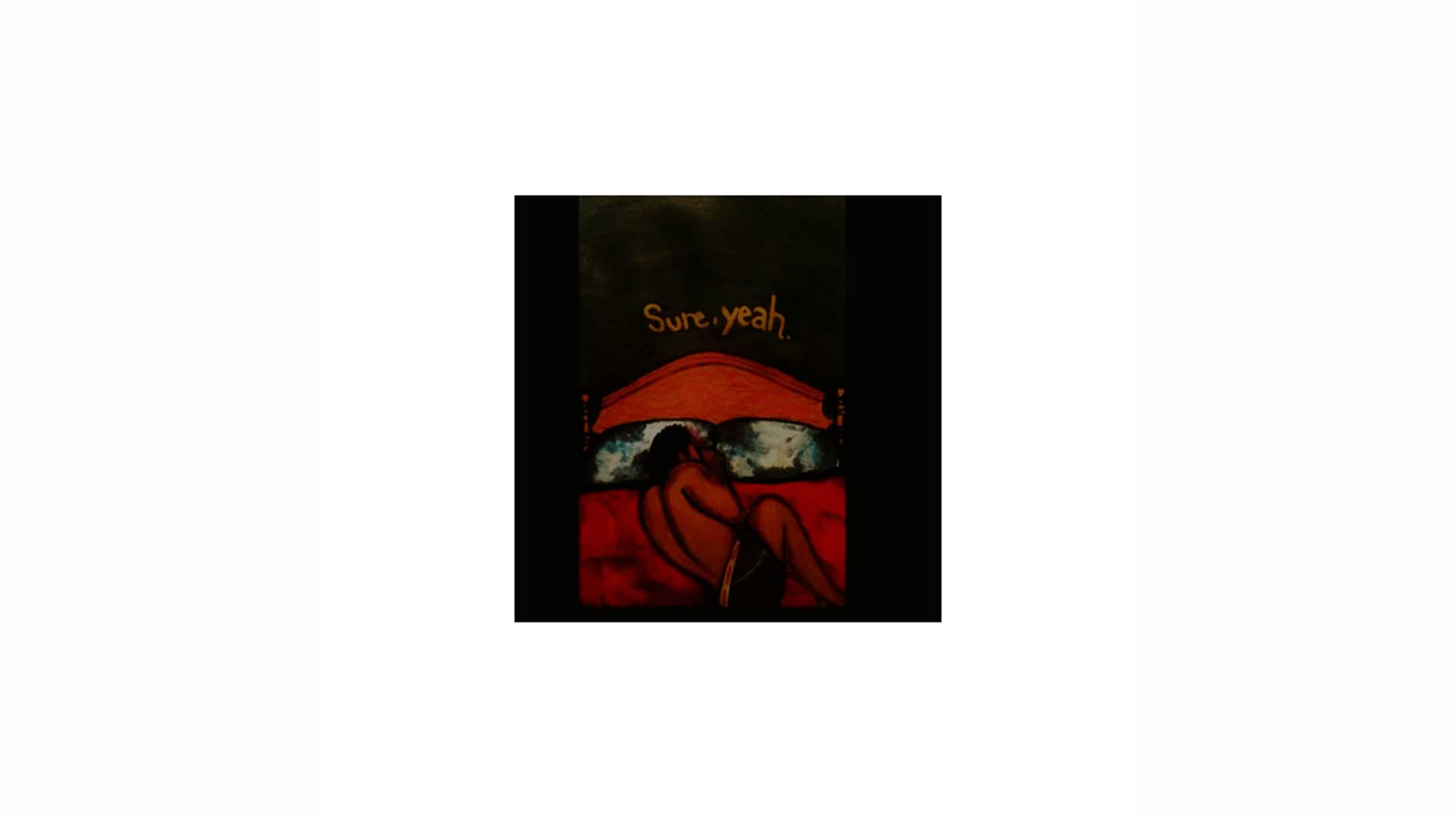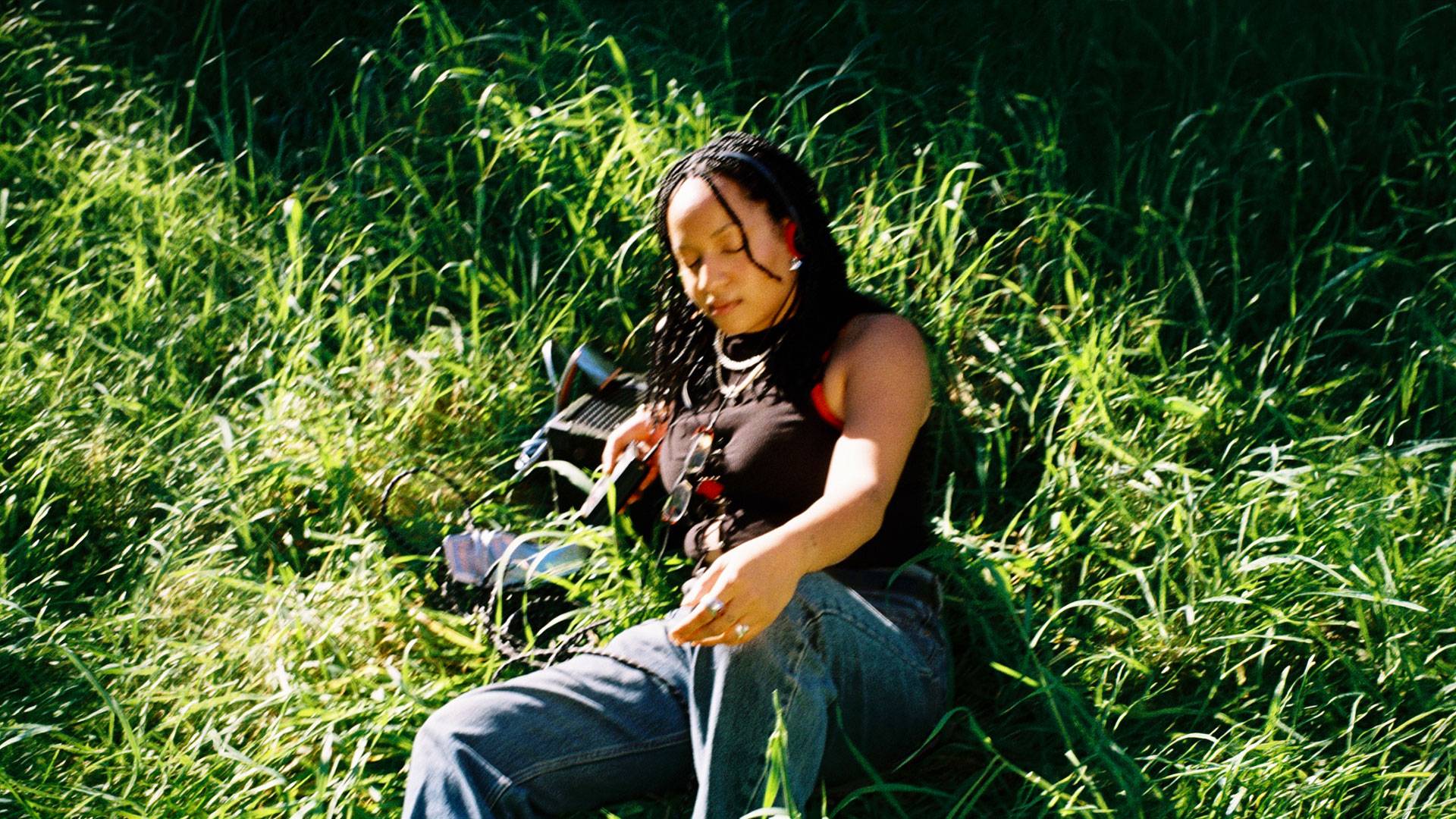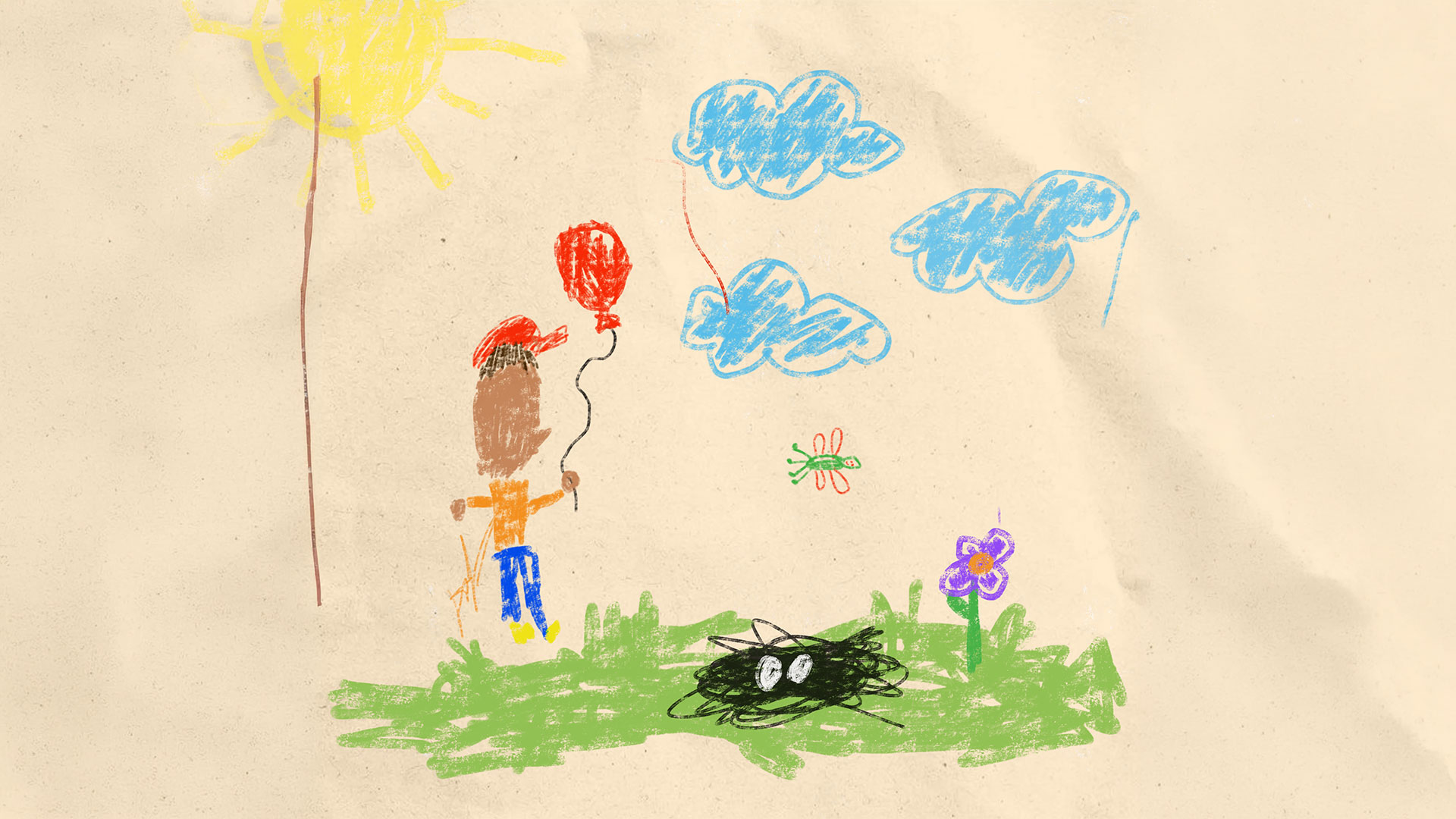
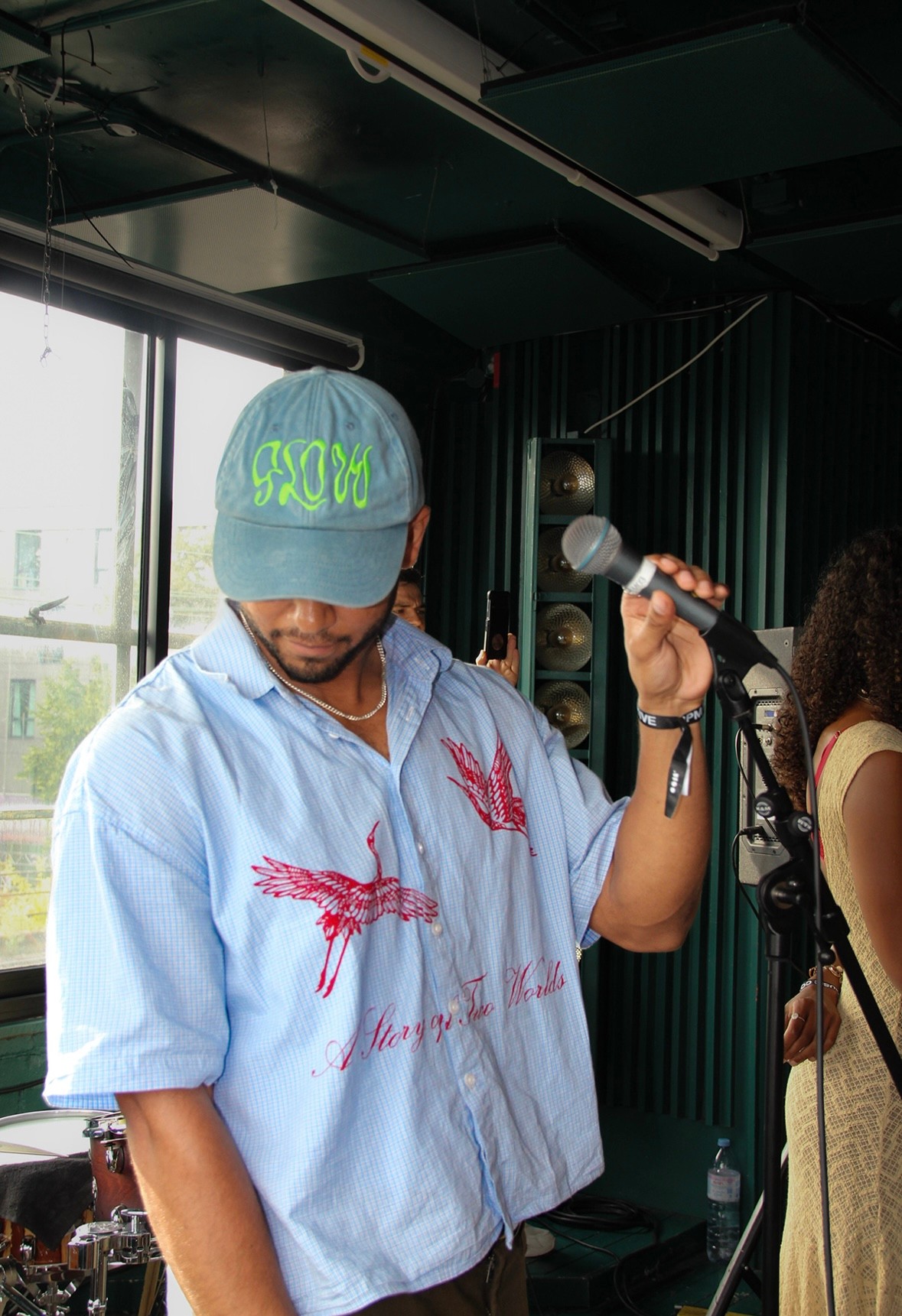
Eliot Campbell-Gumb has been working under the name ECG in London for several years, writing, producing and engineering the records himself. Early projects such as the 2022 album Genre Neutral and the 2024 EP the beat tape sat closer to traditional hip-hop shapes. More recent singles moved toward alternative textures while he kept the same hands on every stage of the work. the clouds & the dark is his first single in over a year, with two other voices at its centre. Nigerian-born, London-based saxophonist and vocalist Gbogboade and singer Misseti Huth join him. The three met at a jam session through a mutual friend three years earlier. The song was written and demoed in a bedroom before the three recorded it together in a studio, with live saxophone, sampling and stacked vocals. It opens a run toward an EP planned for the first half of 2027.
In a tidal river a small boat does not stay in place by drifting with the current. The person at the tiller keeps the bow pointed into the flow and applies constant, modest pressure. The moment that pressure eases the boat begins to slip sideways. The work is not the journey. It is the refusal to be carried. ECG’s single sits inside the same calculation. The real subject is the internal conflict between the need for domestic peace and the psychological and economic wear of making music under the conditions of contemporary creative work in London. Verses name the tension directly. “How am I supposed to balance art with getting paid?” “I’m paddling in waters, least I’m never out my depth.” The phone is put down and every plan that is not at home is refused. A cozy little flat in South is mentioned as something that never saw the day of light. On the road the price is immediate: “I can’t afford to eat, sleep, I gotta work to make it right.” Later the same voice admits the opposite pull, the deadlines, the promoters in line, the women singing every rhyme, the sense that success still leaves him paper chasing. The two extremes are not abstract. One is the choice to stop pushing so the workload shrinks. The other is the choice to stay fully inside the pressure until the calendar and the body both fail. The song is the record of someone trying to keep the bow into that current without tipping either way.
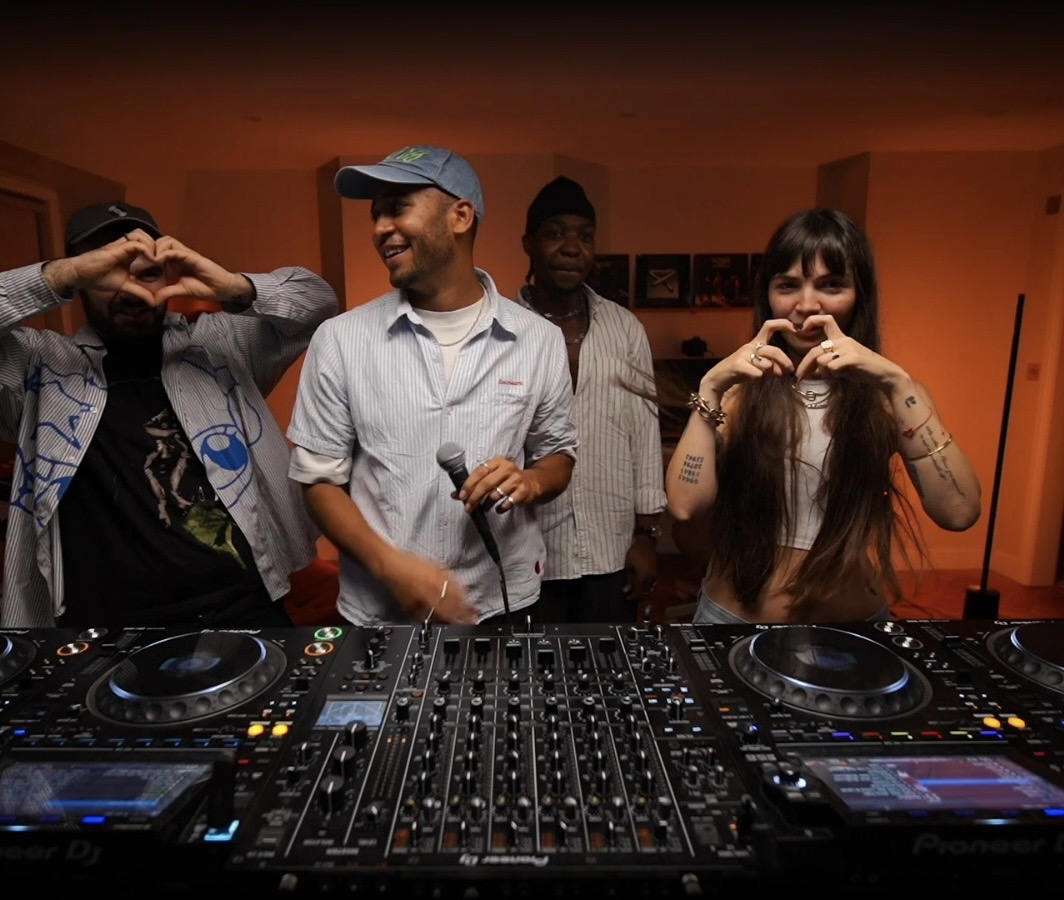
The arrangement keeps the same scale. Soft, jazz-inflected electric guitar chords sit under a round bass line and a drum kit that lands with a felted, unhurried touch. Nothing pushes forward. The room stays close and slightly muffled, the sound of an evening after the lights outside have already gone loud. When the talk turns from the daily arithmetic toward the search for equilibrium, a piano enters and opens a brief, clear space. The delivery stays low and unforced, a confidential tone that carries the fatigue without raising its volume. It sounds like a conversation held at the end of the day rather than a performance aimed at a room. In the hook an airy, soft singing lifts the same material and places it a little higher, the perspective that the dense lines had been circling. The clearest turn arrives when the stream of thought stops on the line “I tried to shut my ears, but the clouds give me a fright, they tell me that” and opens straight into “The showers may feel cold today.” The density drops. The phrase that follows offers a simple, almost physical reassurance rather than a solution. Toward the end the words thin out. The saxophone takes the melodic line, a suspended and melancholy phrase that holds the same weight the verses had been carrying, then steps back so the guitar and bass can close alone in the same quiet they started with.
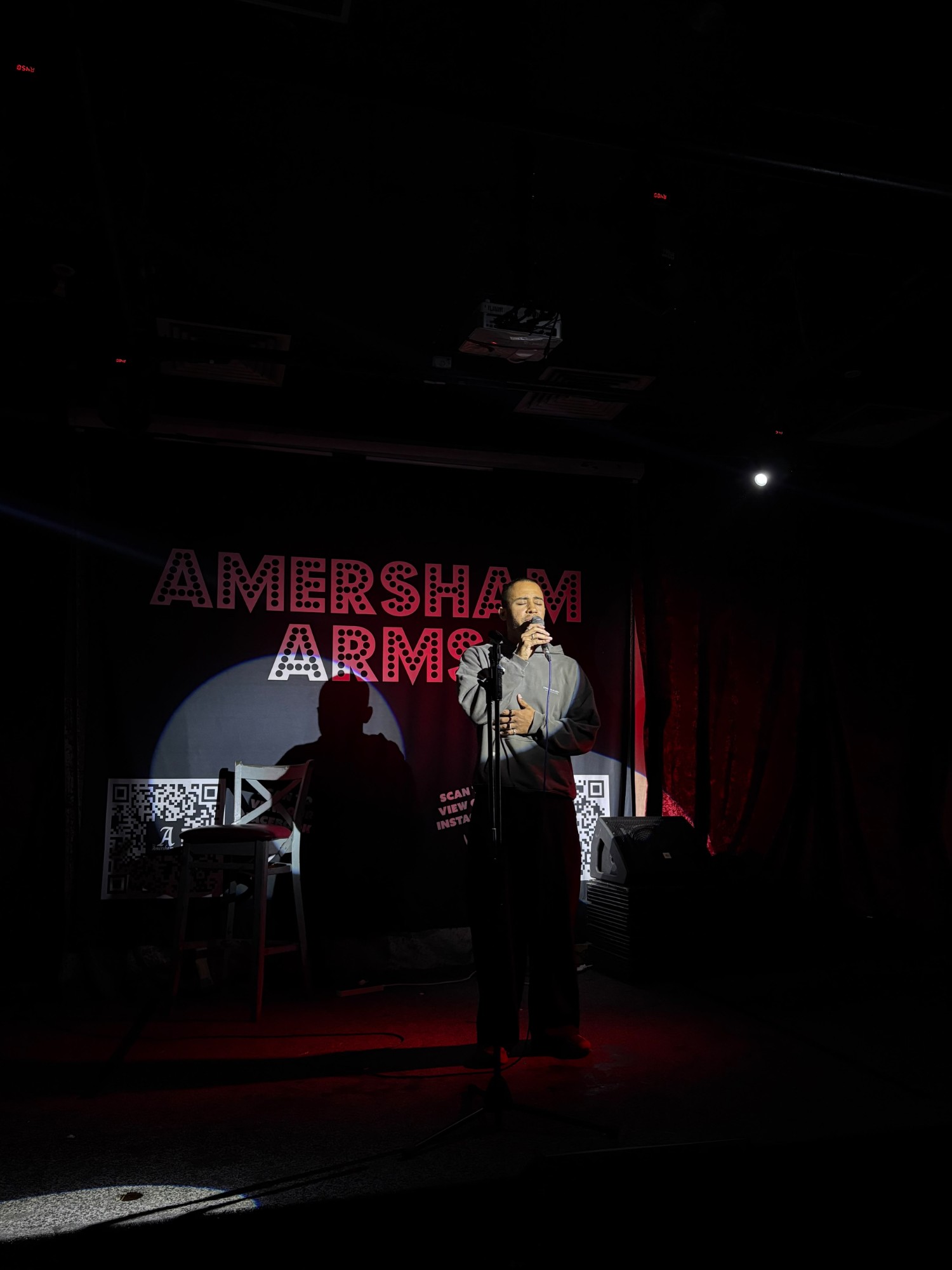
What the single leaves is the ordinary evidence of the cost. Rest is protected by saying no. The flat stays imagined. The road still requires the body to keep working. The hook does not erase the ledger. It only holds the page open long enough for both columns to stay visible. ECG has built the track as a place where that accounting can be heard without the volume rising. The balance is not declared. It is measured, line by line, against the water that keeps moving.