ROMBO’s first conversation with a photographer working inside music. Jasper Soloff on first listens, difficult rooms, and the frame that outlives the single.
You have seen this scene. A phone in a kitchen. A screen on the metro. A shop window, captions off, volume down. A chorus is happening and nobody in the room can hear it. Still, you know the artist. You know the temperature of the era. You know, in two seconds, whether this is a pop video, a beauty film, or a magazine cover pretending to be both.
A lot of listening now begins as looking. Jasper Soloff is one of the people who builds that first surface.
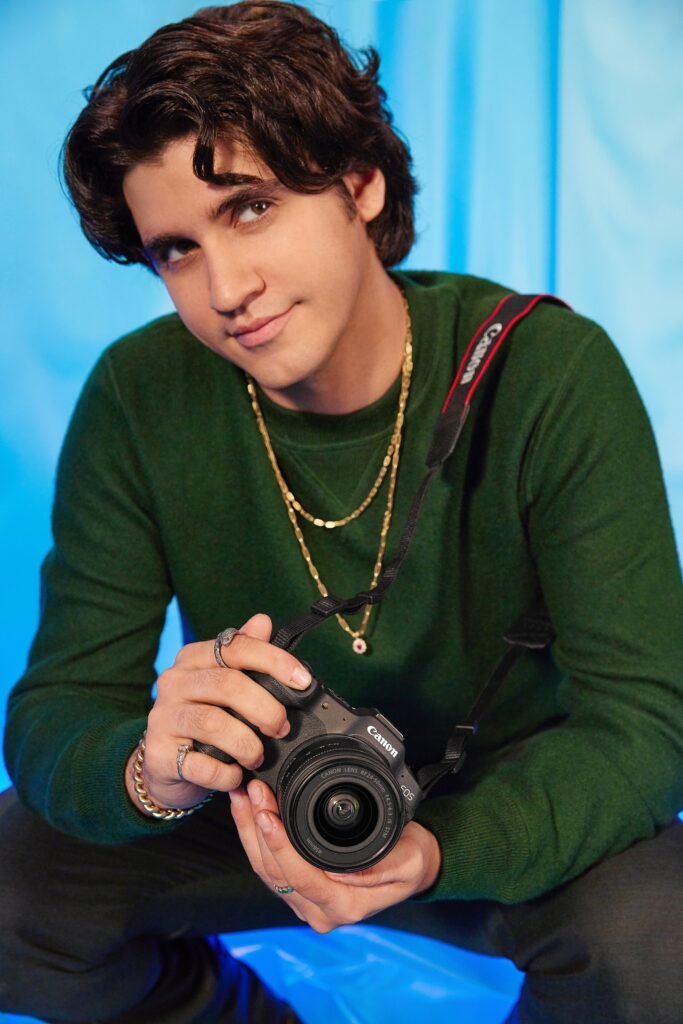
He is a New York and Los Angeles photographer and director. Saturated color, bodies in motion, a heat that does not wait to be asked. The work has run through Vogue, GQ, Paper, Dazed, Nylon. In 2018 he was VFILES Photographer of the Year. In 2023 Canon put him in front of the camera as the face of the EOS R8.
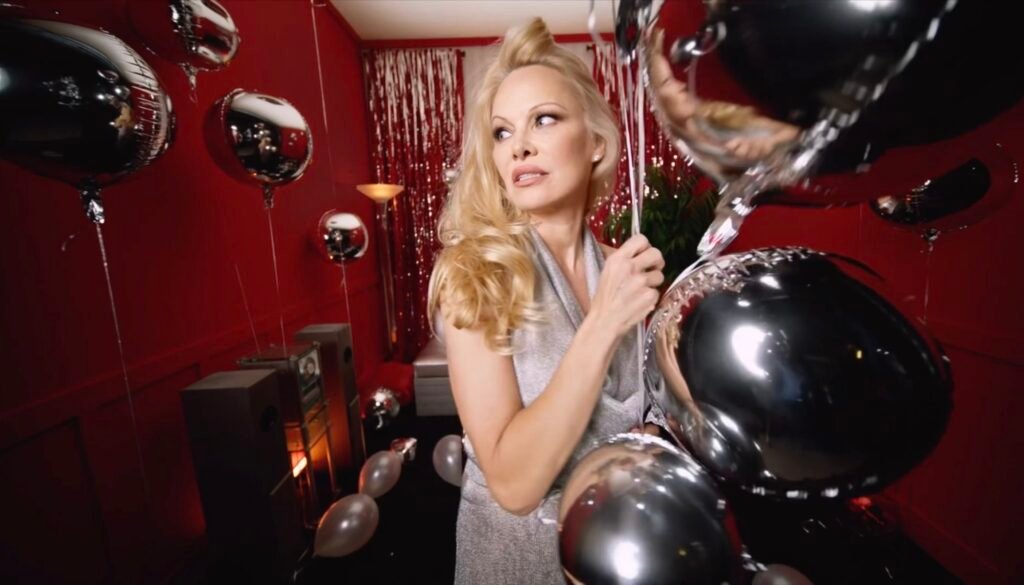
He has photographed Billie Eilish, Billy Porter, Dove Cameron, Emma Chamberlain, Gigi Hadid, Pete Davidson. He has directed videos for Tate McRae, Tinashe, Isaac Dunbar, Dove Cameron, Billy Porter, Lauren Spencer Smith, Tkay Maidza. He has made campaigns for Maybelline, Fenty Beauty, Amazon Fashion, Smashbox, Olay, Dropbox. The Maybelline “Press Play” film with Gigi Hadid went up in Times Square. This year he shot Paper’s Pride cover with John Waters and a crowd of other faces, the kind of New York picture he grew up seeing on a newsstand.
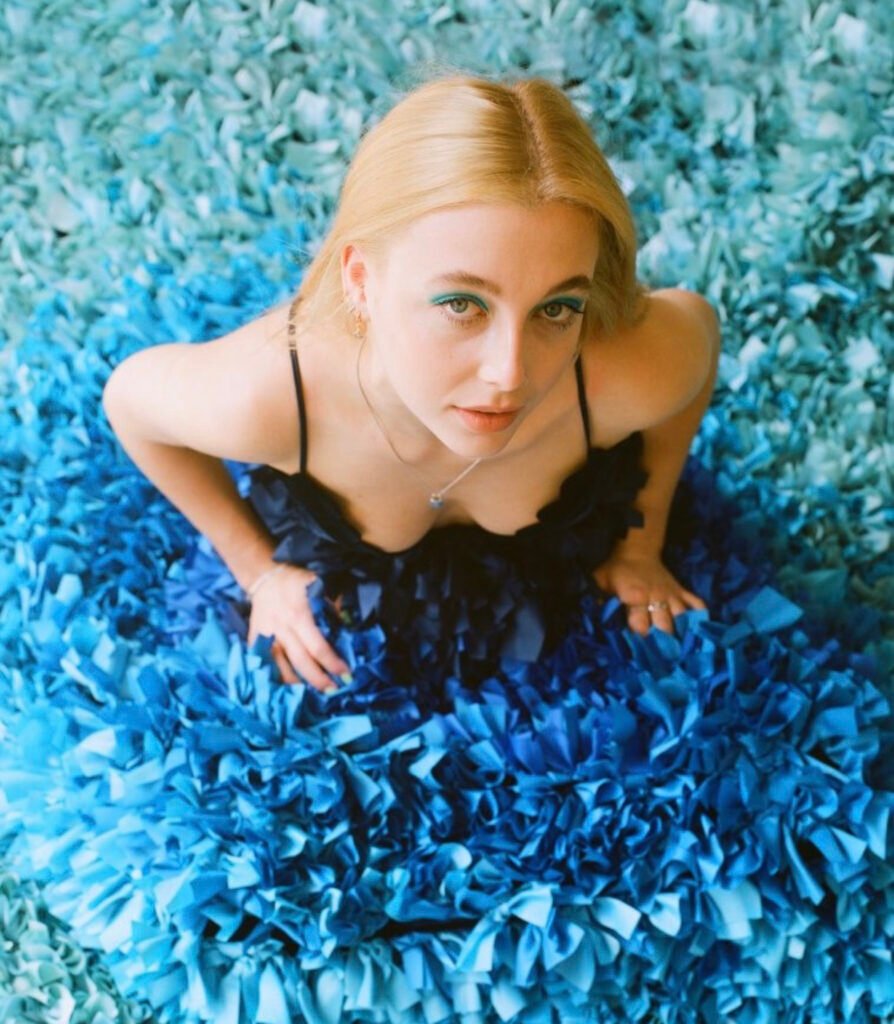
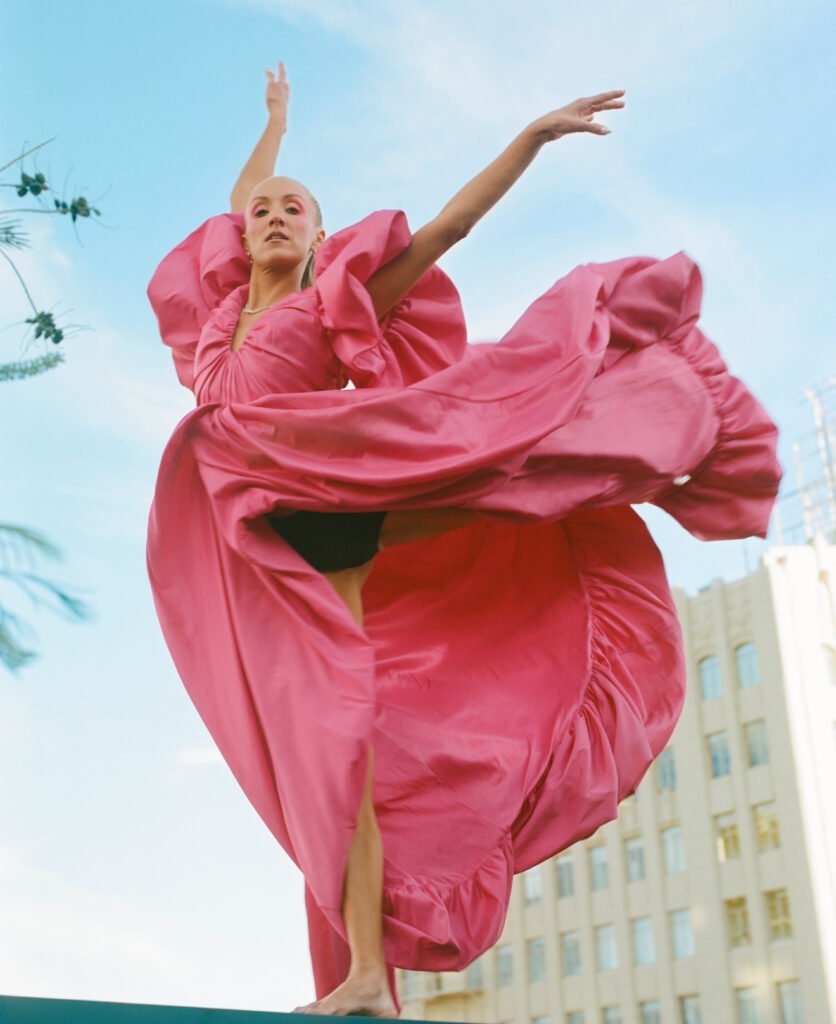
He started as a ballet dancer. Ballet Hispánico. Gelsey Kirkland Academy. Then black-and-white film at Sarah Lawrence, color at Central Saint Martins, friends on rooftops, the queer New York that got him hired. He directed Tate McRae’s all my friends are fake in 2019 and stupid in 2020, around her first EP. He has begun longer films, including one on Broadway performer Sam Pauly and Atitlán: Echoes of the Lake, a documentary in development around Lake Atitlán in Guatemala.
Soloff spoke with ROMBO about the work while it is still a set of choices. What comes first. What gets cut. What he refuses to do again. The conversation ends on one photograph.
The process
When a new job comes in, what do they send you first? The song, a deck, last month’s video, a folder of references?
Usually the first thing I want is the song. Before I see too many references, I want to understand what the music does to me visually. I want to listen to it a few times without trying to intellectualize it. What color does it feel like? Is it aggressive, intimate, funny, euphoric, lonely? Where does my body want to move when I hear it?
Then I want the artist’s point of view. I love references, but I don’t want to make a collage of things I’ve already seen. I’m much more interested in finding the emotional center of a song and then building a visual language around that.
My background in dance probably has a lot to do with that. I think about rhythm and movement almost instinctively. Even when I’m making a still photograph, I’m thinking about what happened one second before and what is going to happen one second after the shutter.
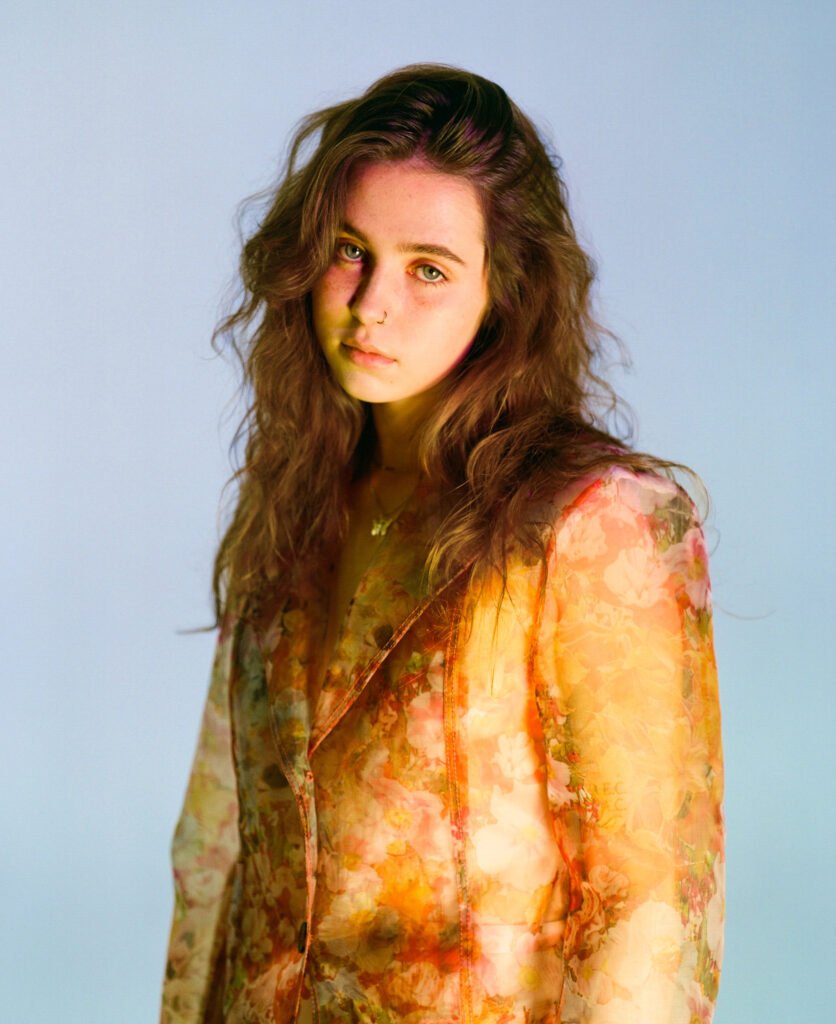
Musicians usually arrive with a fixed idea of how they should look. What do you do in the first twenty minutes to get past it?
Artists spend an enormous amount of time being told how they should look, so if someone comes in with a very specific idea, I don’t want to immediately take that away from them. They should be captured in the way that feels most true to them in that moment.
I think the first twenty minutes are about making the room feel safe enough that something unexpected can happen. I talk to people. I joke around. I let them see that I’m not obsessed with getting one perfect picture. The best moments usually happen when someone forgets they’re being photographed.
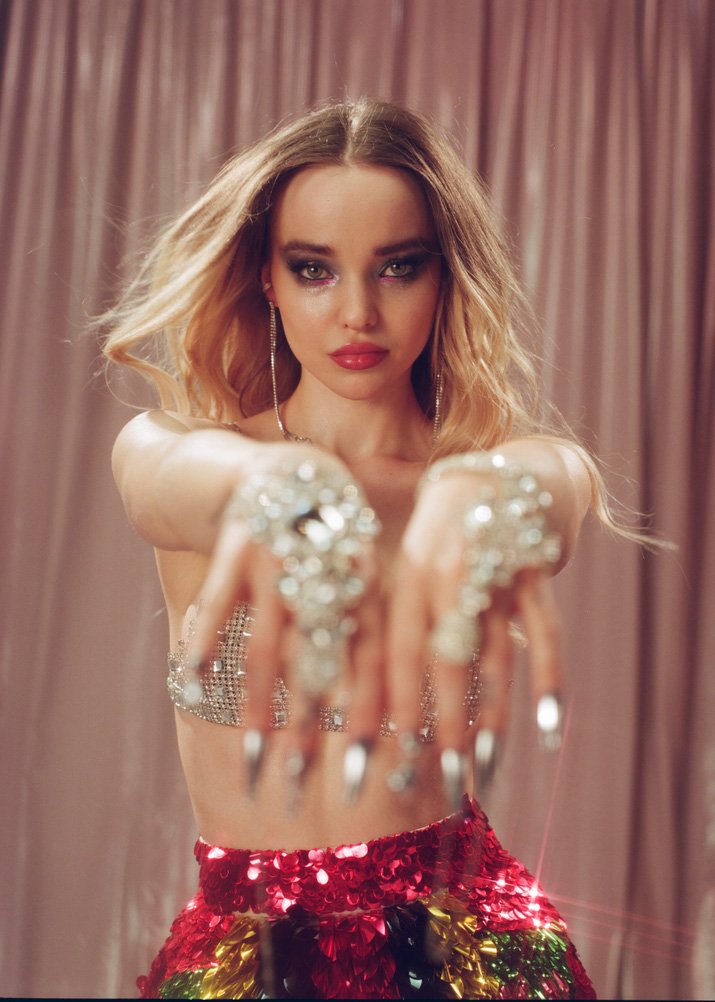
About the unpublished still you’re sending us: why did you decide not to use it?
Because I loved it, but loving an image isn’t always enough reason to publish it.
Sometimes a photograph is technically beautiful but doesn’t belong to the story you’re telling. I’ve become much more comfortable with that distinction as I’ve gotten older. When you’re starting out, every great photograph feels like something you need to show the world. Now I’m much more interested in whether an image actually adds something.
For me, editing is part of the photography. What you choose not to show is just as important as what you put on the wall.
Is there a job you’ve turned down? What was it, and why?
Yes. I’ve turned down work when I felt like I was being hired only to reproduce something I’d already done.
I don’t need every job to be radically different, but I do need to feel some sense of curiosity. If the entire brief is essentially, “We love this thing you did, can you do exactly that again?” that’s not very exciting to me.
I’ve also walked away from things where the values didn’t feel aligned. I’m not interested in making something that feels cynical about the people in front of the camera.
I’ve been very lucky to build a career around color, movement, fashion, music and queer culture. I want the work to feel joyful and alive, even when the subject matter is complicated. If I don’t believe in the reason we’re making something, I don’t think I can make the image convincing.
The jobs
Tate McRae, all my friends are fake (2019) and stupid (2020). What did you see during those shoots that didn’t make it into the finished videos?
With Tate, there was always much more energy than could possibly fit into three minutes.
She understands music through movement. You could give her a piece of choreography and she wasn’t just executing it; she was interpreting it and making it her own. Her expressiveness is her power, and the amount of technique she has really surpasses almost every pop star.
I think people sometimes imagine a music video as this very controlled machine where every frame is predetermined. The reality is much messier and much more fun. Especially with artists like Tate, you’re capturing a personality that exists between the planned moments. And of course Tate brings her own special moments to the table that could never be planned, with a true pop artist what happens on set is always better than what could have been pre planned or determined! Tate is amazing!
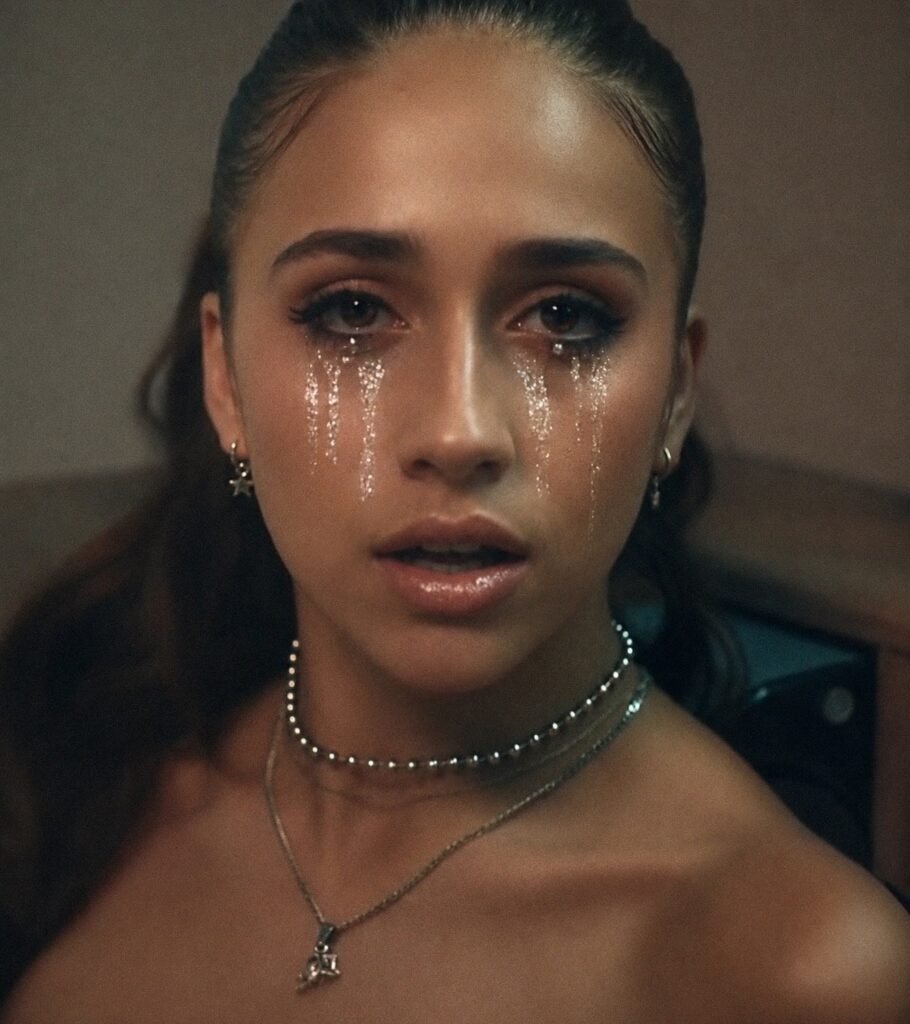
Tate McRae, all my friends are fake. Directed by Jasper Soloff, 2019.
Tate McRae, stupid. Directed by Jasper Soloff, 2020.
Isaac Dunbar, Makeup Drawer. The song deals directly with shame and being outed, and the lyrics are already explicit. How much did you let the visuals restate that, and where did you decide to hold back?
What interested me was the transformation. The idea of the makeup drawer became a doorway into self expression. The closet became this almost theatrical world where Isaac could try on different versions of himself and ultimately celebrate the person he was becoming.
That was important because the song is painful, but it isn’t ultimately a sad song. It’s about reclaiming yourself.
So visually, I wanted the opposite of shame. I wanted color, excess, fashion, movement, humor, glamour. I wanted the visual world to feel like the freedom that comes after you’ve stopped asking permission.
I think that’s something I’ve always responded to in queer storytelling. I don’t want queer people to only be represented through suffering. Sometimes the most radical image is someone having an incredible time being exactly who they are.
The video was ultimately built around Isaac dancing and playing dress-up in a colorful closet, which allowed the visual language to move toward joy rather than simply repeating the pain in the lyrics.
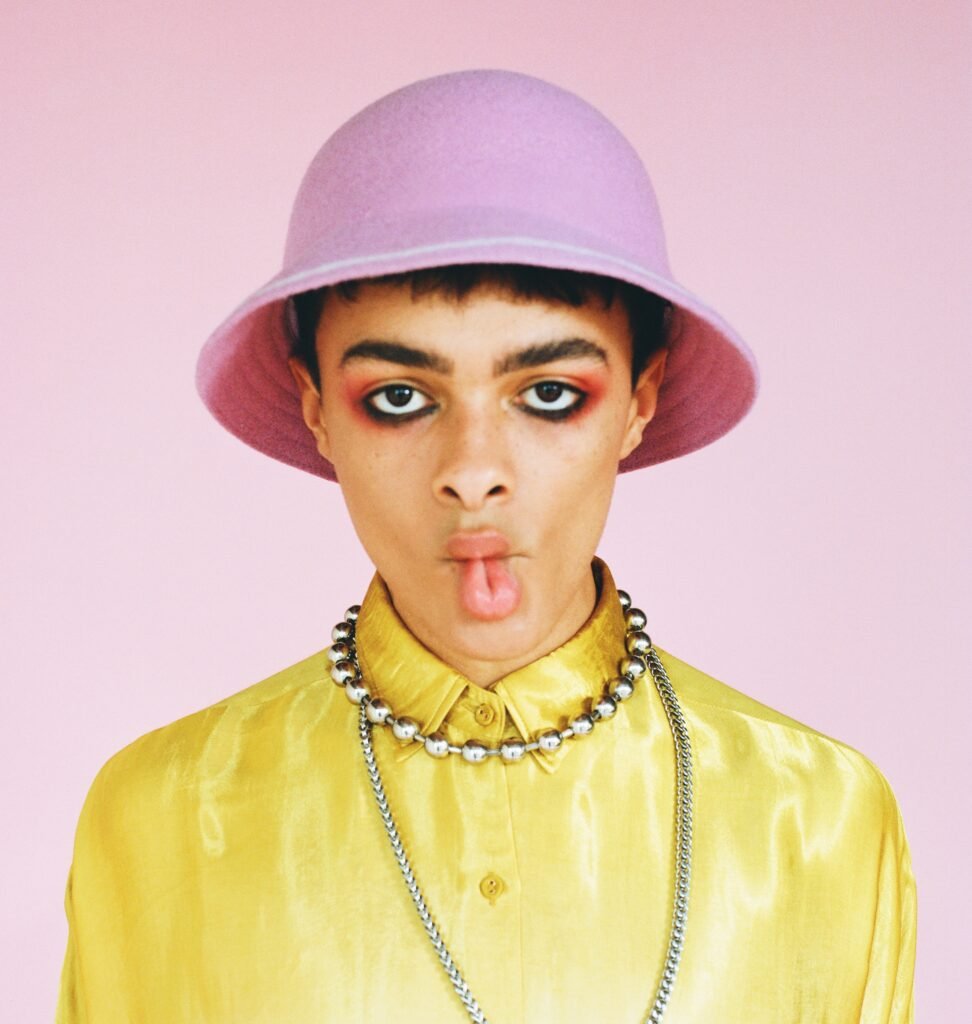
Isaac Dunbar, makeup drawer. Directed by Jasper Soloff.
Tinashe, Rascal. The video is built on a big concept. Is there a point where a concept that strong starts to overwhelm the person in the frame? Did that happen here?
Absolutely. That’s always the danger with a big concept.
With Rascal, we were building this surreal world around Tinashe: the mansion, the costumes, the surveillance feeling, the drone, the strange domestic details. The concept could very easily have become the star.
But Tinashe is such a strong performer that the concept became more interesting the more we let her personality break through it. She has this ability to be incredibly composed and completely ridiculous at the same time. She is incredible.
I was also interested in the idea of surveillance. You’re watching her, but she’s also performing for an imagined audience. The drone almost becomes another character like her pet almost.
Pitchfork picked it as one of the best music videos of the year, and I think part of what made it work was that the absurdity never completely swallowed Tinashe.
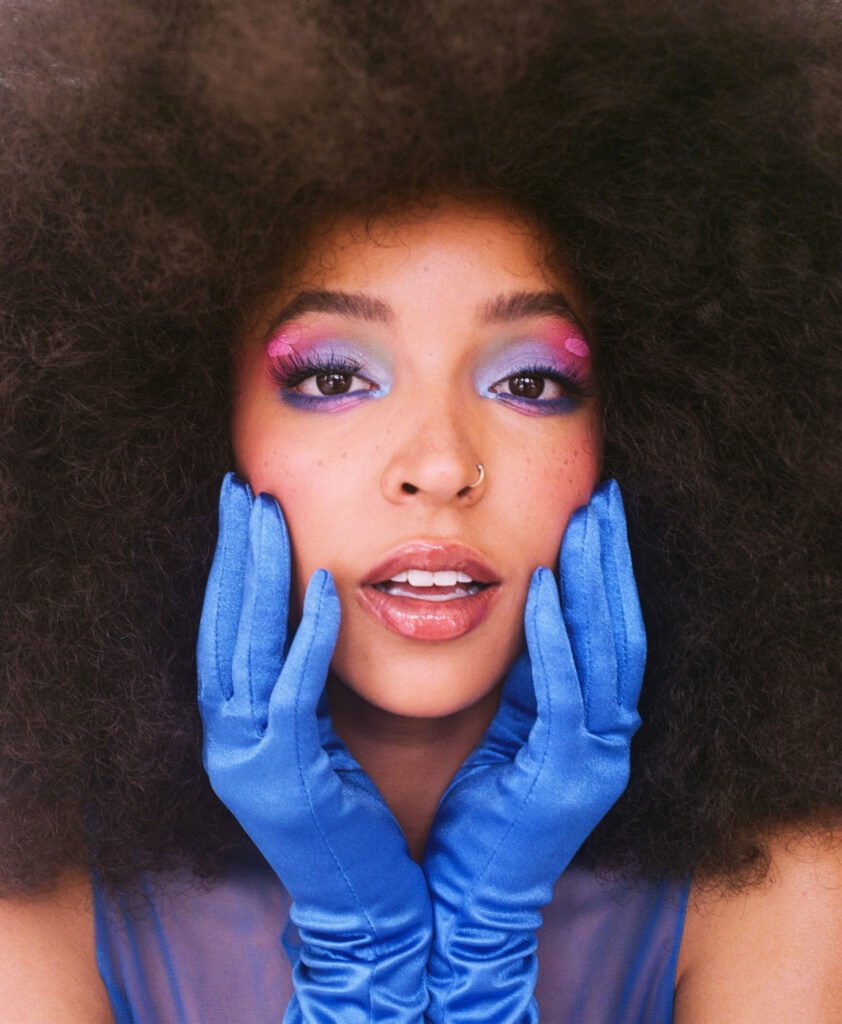
Tinashe, Rascal (Superstar). Directed by Jasper Soloff, 2020.
You’ve photographed Billie Eilish. Her image is already fully formed, and people feel they know exactly what she looks like. What was left for you to do once you started shooting?
Forget who she is.
That’s honestly one of the most important things I can do with someone who is extremely famous.
People like Billie carry an enormous amount of cultural information with them. The second you photograph her, the audience already has an idea of what they’re supposed to see.
My job isn’t to photograph the idea of Billie Eilish. It’s to photograph the person who’s standing in front of me.
That’s something I’ve become more conscious of with every major subject I’ve photographed. You can’t completely erase the iconography, but you can try to find the human being underneath it.
I’ve said before that with people like Billie or Dove Cameron, I try to forget who they are in the world and focus on who they are in the moment. That’s still probably the best description of how I approach photographing someone with that level of cultural recognition. It also helps that Billie is super down to earth and sweet!
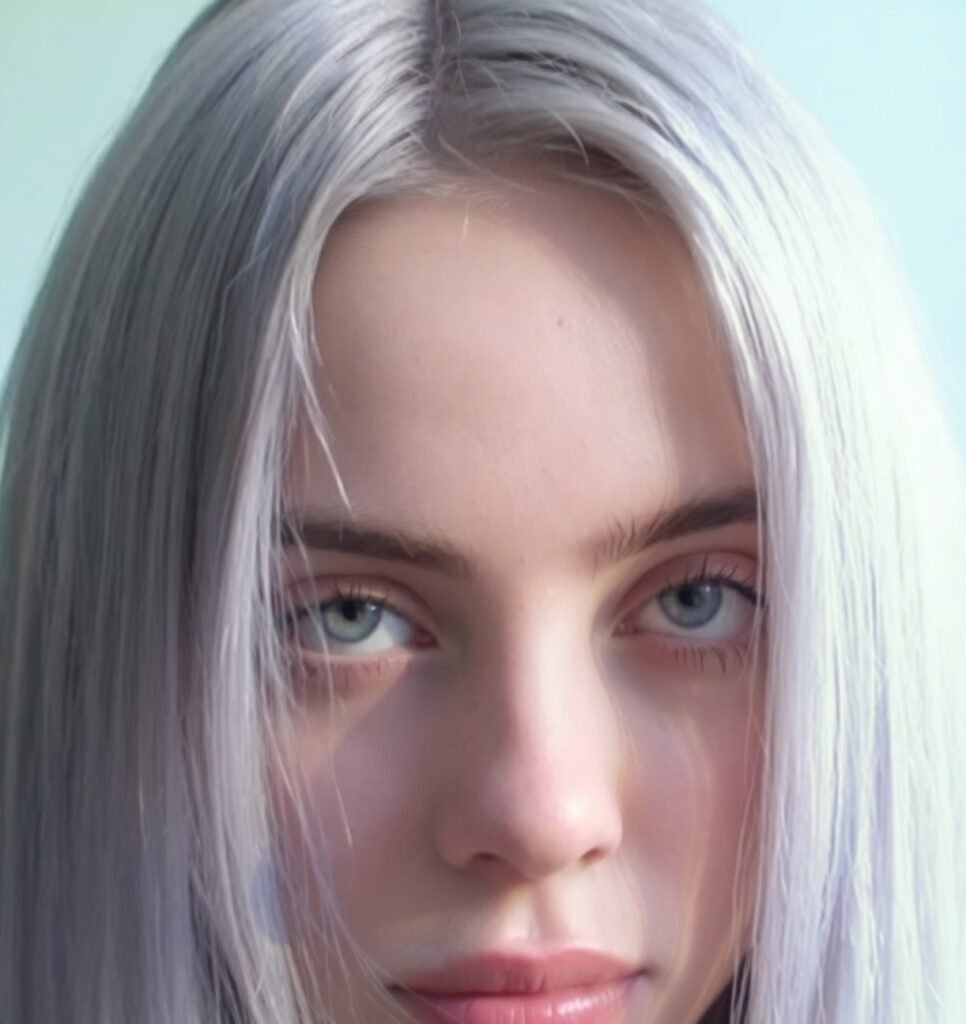
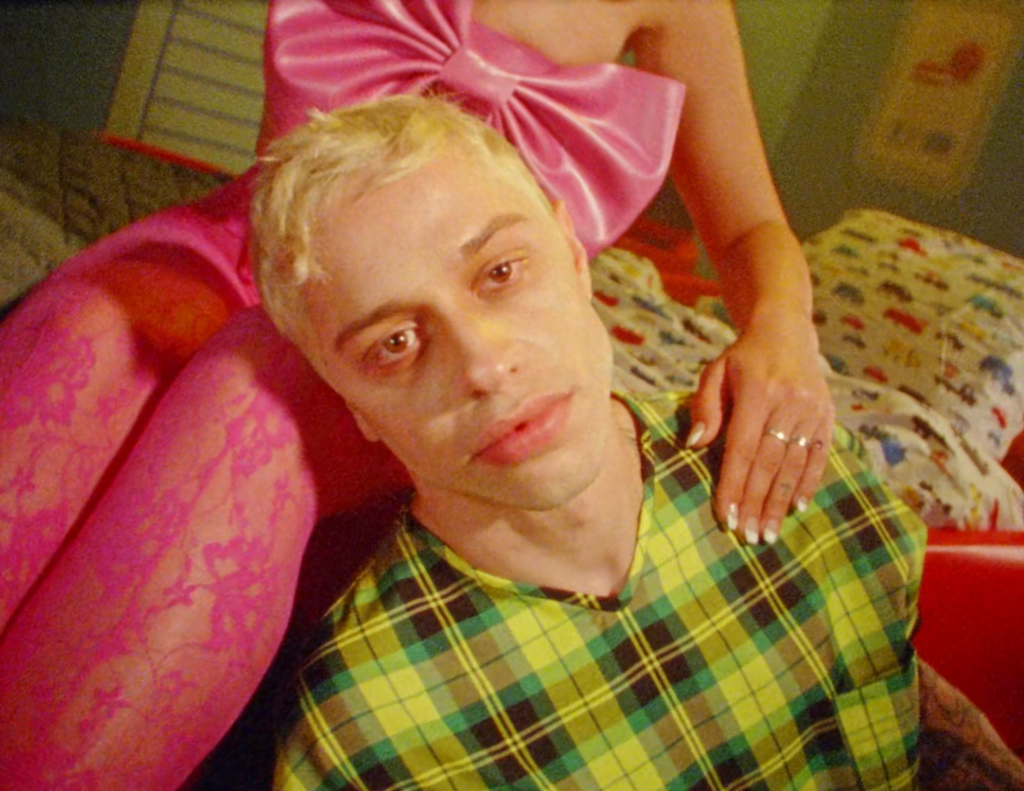
PAPER this year, the Pride cover with John Waters. A magazine cover has to work in a single image. What does that demand that a three-minute video doesn’t?
A video gives you time. A cover gives you one second.
You have movement, sound, editing and narrative in a three-minute film. A cover has none of that. It has to communicate something almost immediately.
With John Waters, the challenge wasn’t trying to make him look like a generic “Pride icon.” He’s John Waters. He’s spent his entire career resisting the idea of being flattened into one identity.
So the photograph needed to have personality before it had symbolism. It needed to feel like him.
I think that’s actually the responsibility of a Pride image now. Queer people don’t need to be photographed as a monolith. The most interesting thing about Pride is the enormous range of people within it.
The PAPER shoot included John alongside a really wide range of queer artists and personalities, which made the issue feel less like a single definition of queerness and more like a family of very different people.
The money
Music video budgets have dropped. Who actually funds videos now? Labels, artists, brands? And when the money shrinks, what’s the first thing to go?
It’s a mix. Labels still fund videos, artists self-fund, brands become involved, and sometimes the artist is essentially putting everything they have into making the visual they want.
The biggest change is that everyone expects the work to do more. A music video isn’t just a music video anymore. It has to generate stills, vertical content, social clips, behind-the-scenes material, thumbnails, campaign assets — sometimes an entire visual identity.
When the money shrinks, the first thing that tends to disappear is time.
And time is actually the most expensive thing creatively.
More of this work has to live vertically, in 9:16. What does that format take away?
It takes away some of the sense of environment.
I’m obsessed with the relationship between a person and their surroundings. I love putting someone in a landscape and letting the environment become part of the story. That’s one reason New York is so important to my work.
9:16 can be incredibly powerful for movement because it gives you a tall, almost architectural frame, but it can also make everything feel more isolated.
The danger is designing for the phone instead of designing an image.
I don’t want to make something that only works because someone is scrolling. I still want the frame to have a composition that would be interesting if you printed it and put it on a wall.
The image
The same eye made a Pride cover and a Maybelline campaign. Queer visibility is also something brands buy. How do you think about that?
It’s complicated, and I don’t think pretending it isn’t would be honest.
Brands absolutely understand that queer culture has influence. Queer people have always been creating the visual language that eventually becomes mainstream.
But I don’t think commercial work automatically makes representation meaningless.
I’ve worked on huge campaigns, and I’ve also worked on personal stories. The question for me is always: what are we actually saying, and who gets to participate in saying it?
That’s why representation behind the camera matters to me as much as representation in front of it. I’ve made a point throughout my career of building teams that include women, queer people and people of color because different perspectives actually change the work.
I also don’t want to be reduced to “the queer photographer.” I’m a photographer who happens to be queer, and queerness naturally informs how I see the world. But I want to make beautiful pictures. I want to make people laugh. I want to make fashion images. I want to make films about the environment. I want to make everything.
If queer visibility is present in all of that, that’s more interesting to me than making work that announces itself as representation.
You’re moving into longer films, including Atitlán: Echoes of the Lake. What does spending weeks with a subject give you that a single day can’t?
Trust.
You can’t rush intimacy.
When you’re shooting a celebrity or a campaign, you might have a few hours to understand someone. That’s a very specific kind of relationship. With documentary, you have to let people get bored of the camera.
That’s when things start happening.
With Atitlán, I’m interested in Maro’s life, but I’m also interested in the world around her the lake, her community, tourism, tradition, environmental change. The story isn’t just “look at this beautiful place.” It’s about what happens when a place that has sustained a community for generations is changing.
The longer you stay, the more complicated the story becomes. And I think that’s a good thing.
I’m coming from photography and music videos, where you’re often trying to create an emotional reaction in a few seconds. Documentary filmmaking is teaching me to sit inside a moment instead of immediately trying to turn it into an image.
Atitlán: Echoes of the Lake is currently being developed as a nonfiction feature centered on Maro, a young Mayan woman navigating the tension between Indigenous tradition, environmental preservation and the changing future of Lake Atitlán.
One Picture
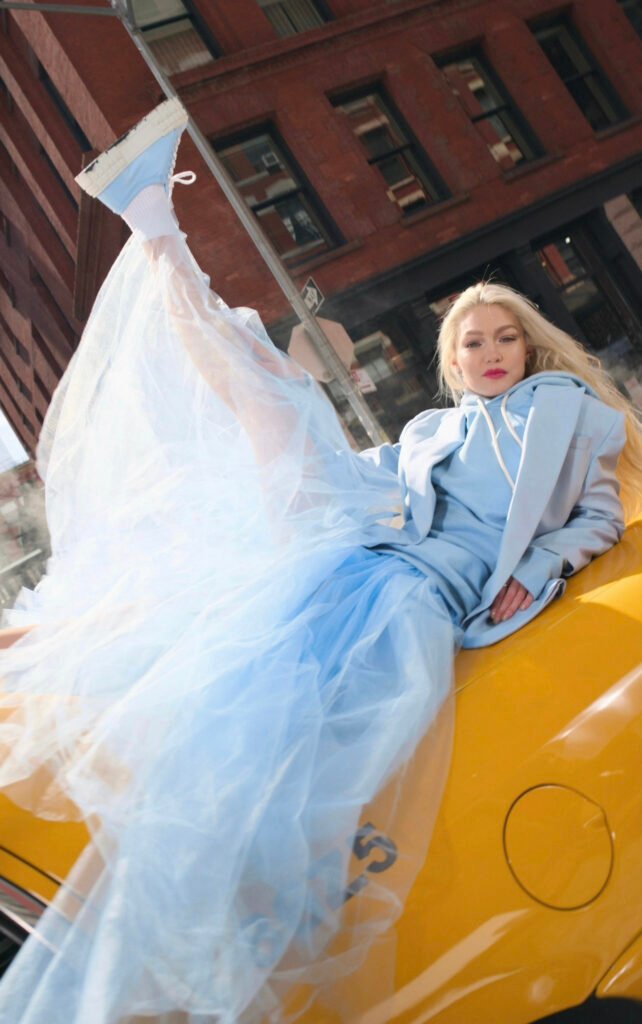
One frame on the table. Gigi Hadid on the yellow taxi, tutu, hoodie, Manhattan behind her.
Where were you standing?
I was on the street, working from the level of the taxi and using the city behind Gigi as part of the composition.
I wanted the photograph to feel like New York had collided with a fashion fantasy.
That’s really the image: this completely surreal fashion moment happening in a completely recognizable New York environment.
What did you ask her to do?
Move.
That’s probably the simplest answer.
I didn’t want Gigi to stand on the taxi and give me a conventional fashion pose. I wanted her to feel like she had just landed there.
The tutu, the hoodie, the yellow taxi — everything already had so much personality. I just wanted her to interact with it physically.
Because I grew up dancing, I tend to direct movement rather than poses. I’m always thinking about how the body occupies space and what happens when you give someone permission to exaggerate their movement.
That became a recurring language in my work: fashion that feels like it’s moving rather than simply being displayed.
What did you cut?
A lot.
You always do.
There were probably moments that were technically beautiful but didn’t have the same collision of elements. For me, the final image needed Gigi, the taxi, the tutu, the hoodie and Manhattan all talking to each other.
If one of those elements becomes too dominant, the photograph stops working.
The edit is where you realize what the picture actually is.
What almost ruined it?
The fact that there were so many things that could have gone wrong.
You’re shooting a global campaign in the middle of Manhattan. You’re dealing with traffic, light, pedestrians, timing, wardrobe, movement and a very famous person standing on a taxi.
But honestly, the bigger danger was making it feel too produced.
New York gives you something you can’t manufacture. You can build the perfect set, but you can’t recreate the energy of Manhattan moving around you.
I wanted to preserve that chaos.
If the picture works, which decision made it work?
Putting Gigi somewhere she wasn’t supposed to be.
That’s the whole picture.
A supermodel in a tutu and hoodie standing on a yellow taxi in Manhattan is inherently absurd. But because the city is real, the image doesn’t feel like fantasy. It feels like this impossible thing actually happened.
And I think that’s what I chase in my work: the moment where fashion, movement, color and reality collide.
I grew up in New York and I grew up dancing, so that photograph is basically two parts of my brain meeting each other. The city gives you the energy, dance gives you the movement, fashion gives you the fantasy, and photography freezes it for one second.
That’s the reason I think the image works.
Follow Jasper Soloff
Follow: Official Site · Instagram · Facebook