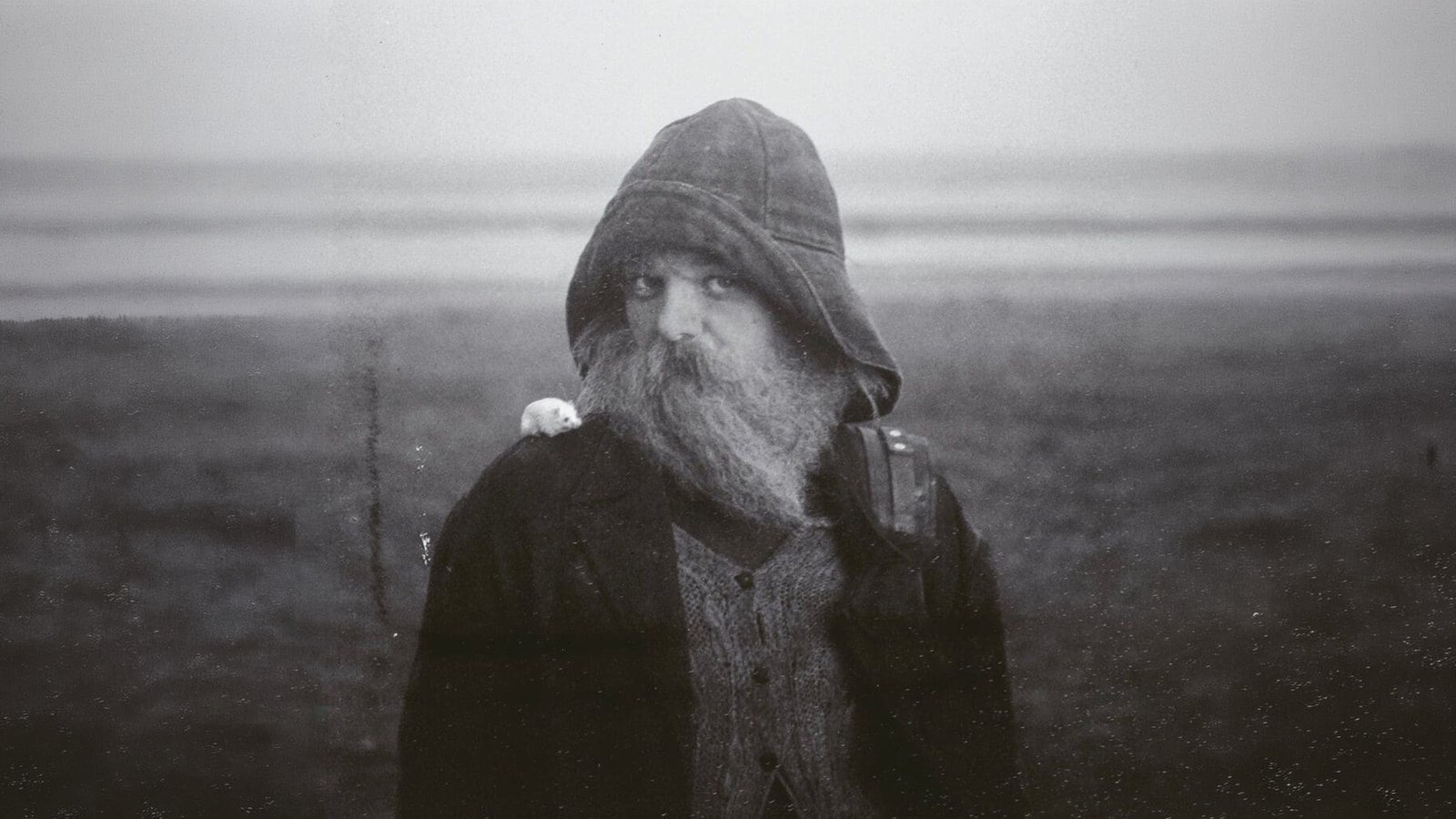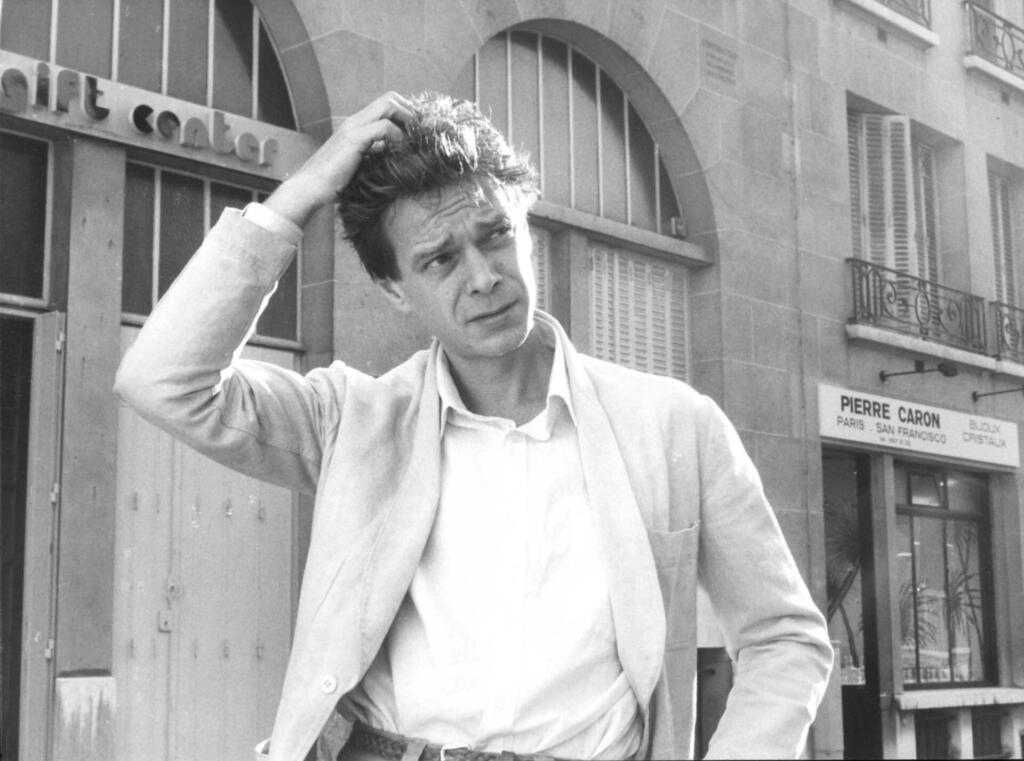
Jean-Claude Vannier, the French composer and arranger whose orchestral writing was so crucial to the shimmer and menace of Serge Gainsbourg's Histoire de Melody Nelson, died in Paris on 27 November. He was 83.
His daughter Virginie Vannier confirmed the death to AFP, describing him as "a singular, unclassifiable, profoundly independent artist whose creativity and audacity transcended generations." She also pointed to the extent of his influence, citing Beck and Mike Patton as artists he inspired and mentioning samples by Eminem and Massive Attack.
Vannier was born in Courbevoie (Hauts-de-Seine) in 1943 during a bomb scare and taught himself piano at 18. Film work with Gainsbourg came first on Slogan (1969) and Horse (1970), before the pair did Melody Nelson in 1971. The album did very poorly on release, didn't fit at all with what French radio was playing and only really found its audience about ten years later. If you listen to the strings on "Melody" you'll hear why the record has survived so long: they're absolutely in the room as a character, they're part of the drama.
The arranging career was absolutely all over French popular music. Vannier wrote and arranged for Brigitte Fontaine, Johnny Hallyday, Julien Clerc and Michel Polnareff (covering the chanson, the rock and all the more eccentricities of both). His own 1973 instrumental album L'enfant assassin des mouches gave rise to Gainsbourg's story of the same name; Finders Keepers reissued it in 2005 and it was duly praised by Jarvis Cocker and Jim O'Rourke.
In later years he went into illustration, writing and radio broadcasting. In 2019 he announced Corpse Flower, a collaboration with Mike Patton of Faith No More, which brought his name back to the fore for those who had heard the samples prior to knowing the source.
The Gainsbourg association will no doubt be the dominant one in most of the obituaries. The more interesting fact is the sheer number of different rooms his arrangements would go into, from Hallyday on stage to a Patton record, and the handwriting would remain the same. That's what an arranger leaves behind in the end: a way of hearing everything else.