Nancy Ann has spent years writing in Knoxville while carrying a seat on the local Music Coalition board. She reached the Top 200 on American Idol, played the Rhythm and Blooms festival in 2018, and waited until Off The Row in Nashville, under Erin McCaffrey and producer P.T. Houston, to finish the four songs that now sit as Imagination. The EP is the first time the full-band sound she has been building in private arrives as a finished object, and the sold-out Pink Moon Studio show that followed in Knoxville was the first time that sound met a room.

East Tennessee weather reports used to treat a rare January snow as something that needed to be left alone. The cold would hold only if you kept walking out to check the depth. Once you stopped measuring, the melt would find its own schedule and the ground would open. Nancy Ann writes as if she has applied that same patience to a different forecast, the one that lives inside a person who has spent too long inventing reasons she might not be enough.
On “January Snow” the acoustic guitar starts the measurement. The voice stays close, almost under a blanket, while she sorts the boxes of old doubt and tests whether the other person will stay if the pace stays slow. The line about putting her head on a shoulder arrives as a question rather than a claim. By the time the band fills the space the weather has already begun to change, and the promise of spring in Tennessee feels earned rather than announced. The production lets the electric guitar brighten only after the confession that she is still trying to hibernate, then pulls the instruments back so the final claim of daylight can land without decoration.
“I’m With You” takes that same shoulder and puts it in a moving car. Banjo and electric guitar open the windows. The voice lifts and holds the repeated claim that the destination does not matter. Taillights blur, dirt kicks up on a back road, a Greyhound becomes an option, and the older days and bitter lies simply lose their place in the frame. After the verse about waking inside the dream, a long guitar line continues past the last streetlight. The arrangement never forces the chorus to explain itself. It simply keeps the windows down.

“Stop Me” returns to the shoulder and finds it wet. The arrangement keeps the acoustic close for the memory of leaving the house, then lets the full band rise when the absence of a hand becomes the fact of the song. The voice moves from the soft edge of doubt to a fuller, almost scraped delivery on the final admission. “So you lost me” lands after the band has already cleared a space for it. There is no plea left in the line. The dynamic drops that precede each chorus make the missing gesture feel physical.
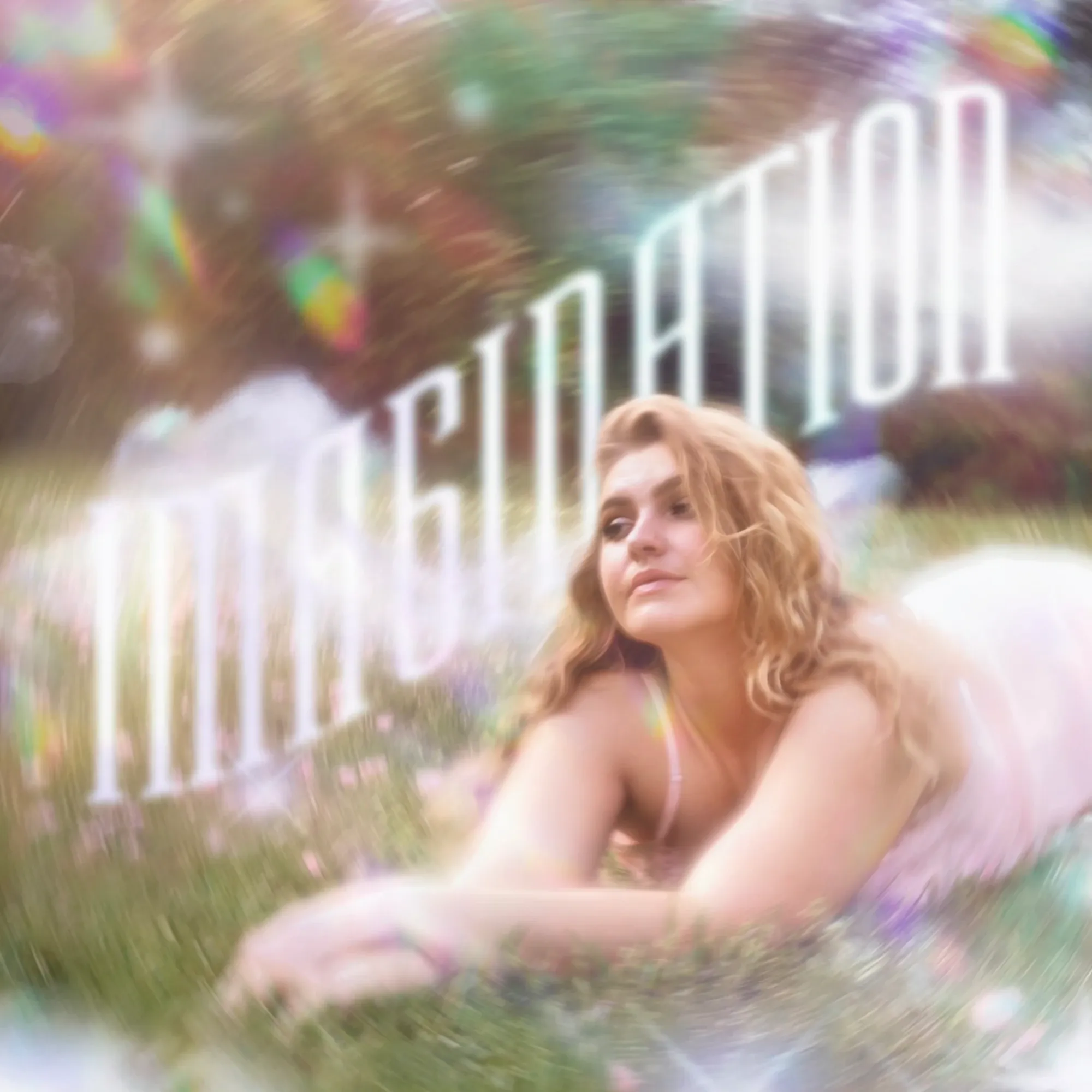
“Imagination” is the room where the rival was assembled in the first place. Acoustic guitar alone at the start, then the band thickening as the list of virtues grows. The voice stays conversational until the bridge accelerates into the catalog of everything the other woman is supposed to have, the thinner frame, the clean heart, the family that loves her, the body that is enough. The spoken close undercuts the whole construction. A quiet “whatever” after the admission that she is probably pretty too feels like the moment the measurement stops. The mind has finished inventing the threat, and the temperature outside the song has already moved on.
Across the four tracks the production keeps returning to the same gesture: a sudden emptying of the instruments so the next line can arrive without decoration. That emptying is what lets the head finally rest, or the loss finally register, or the invented rival finally dissolve. Imagination does not rush the melt. It simply records the weather as it changes, from the private catalog of reasons to the open road where the shoulder is enough.