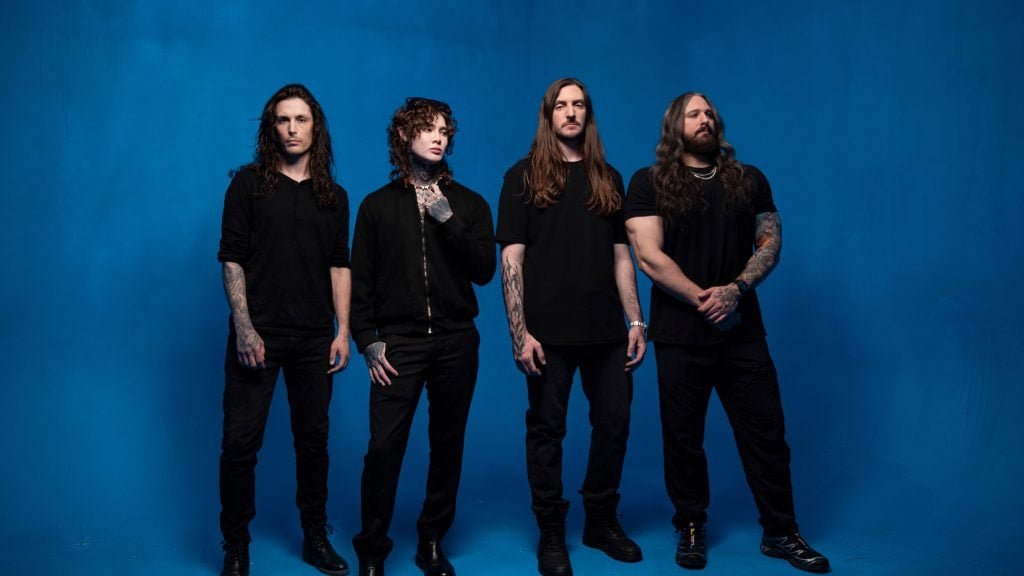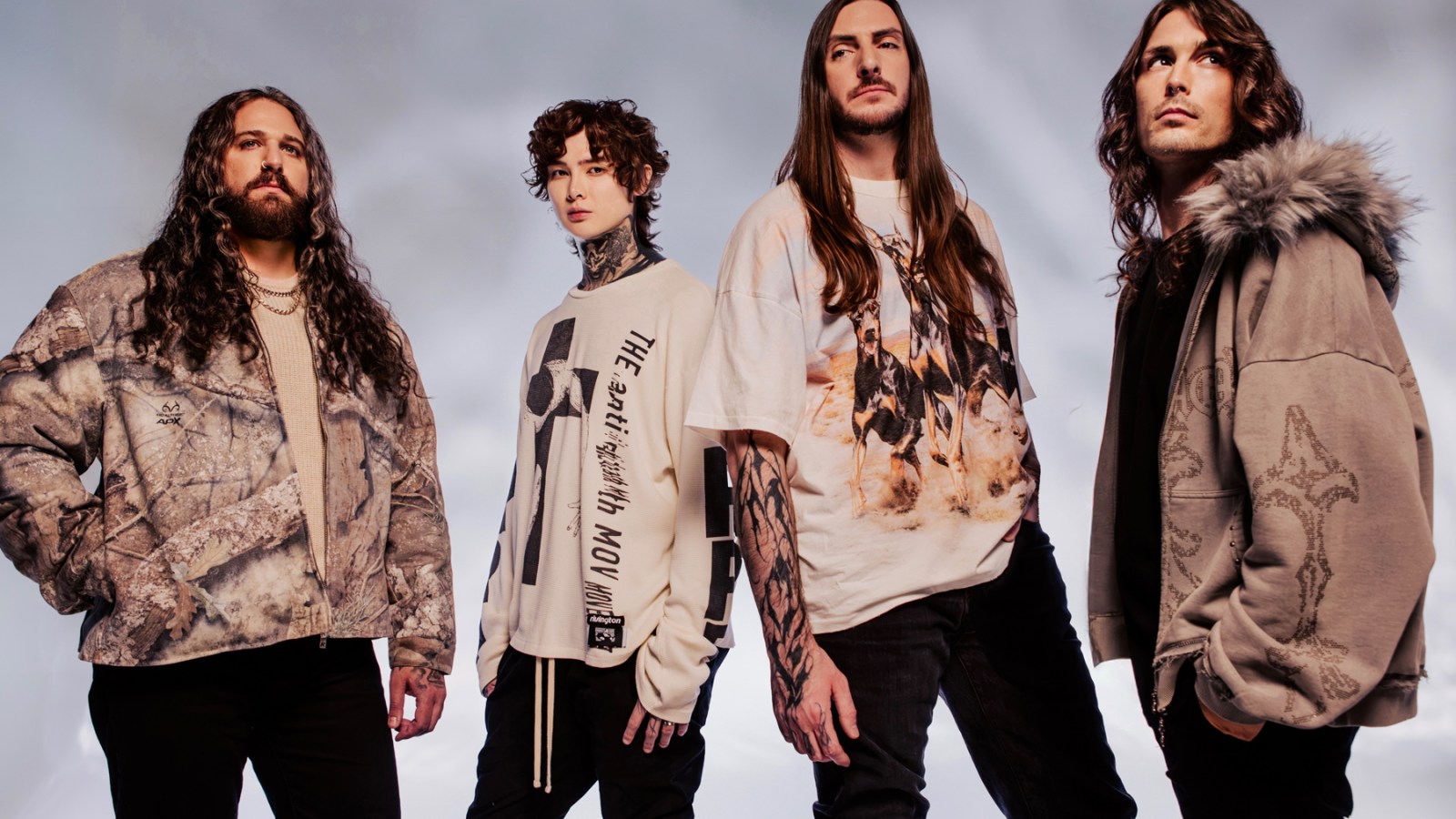
Polyphia have released Be Not Afraid, their first album since 2022's Remember That You Will Die, and by Tim Henson's account it carries some of the heaviest music the band has made. Henson said "Let There Be Light," the first song written for the record near the end of 2023, set the tone: "It's kind of like [2018's] 'G.O.A.T.'" in a heavier style, while "Fear God" occupies the place "Ego Death" held on the previous album. The other ten tracks, he said, resemble nothing else in their catalog.
The album arrives four years after its predecessor, a gap the band attributes to touring and then to a deliberate pause. Henson said Polyphia took most of 2024 and all of 2025 off the road to finish writing, and he framed the schedule as a gentle recalibration of audience expectations: "We're slowly but surely trying to train our fan base to not expect music [sooner than] every four years." Scott LePage put the trade-off plainly: writing on tour, as they had before, "is just a lot."
What the pair describe is a record built on beats first and guitar second. Henson said he wrote most of his parts in the moment, humming melodies over demos and then moving them to the instrument, and that many of his more characteristically Polyphia demos were cut for being too much like the band's past. "The song and most of the album doesn't focus at all on the technicality of music," he said of "Can You Feel It," a track he described as their take on live metal house, drawing on the riff logic of early-2000s dance records and on Kanye West's sample-driven approach. LePage traced the grinding drop in "Mark of the Beast" to a beat he heard on TikTok, and to the way Meshuggah rebuilt a Rammstein song into something unrecognizable.
The rhythm section remains Clay Gober and Clay Aeschliman, and Henson answered a recurring criticism directly: everything on the record was played by humans, even where it sounds otherwise. "That's the beauty of the whole record, is it's done by humans, and it sounds nothing like humans." The band's amplifier history runs the same way. LePage said a single attempt to re-amp through a real amp in the studio was abandoned because "this sounds worse," and that the software models he grew up on still get use.
The shift is worth hearing against the band's reputation. Polyphia built a following on technique so conspicuous it invited imitation, and Be Not Afraid moves the emphasis to melody and groove while keeping the low tunings and rhythmic precision intact. The heavier songs will find their place on festival stages, where volume and crowd response favor direct impact. The house experiments ask a different question: whether listeners who came for the fretboard will stay for the beat.
More on Polyphia at ROMBO Magazine.