Bellfounders work from the inside out. They pack a brick core with loam, smooth that by hand and build the outer mould around it. The molten bronze is poured in and the bell then cools in its earthen shell for weeks. The mould is then broken away, the bell is mounted on a lathe and metal is shaved off the inside until the hum note, the strike note and the partials all line up. It's a tuning process which is essentially one of subtraction, of taking away tiny curls of bronze one pass at a time. The final tone is all down to that subtraction, down to the founder's willingness to take metal away. That very careful process of reduction is what I keep coming back to as I listen to Given to the Night.
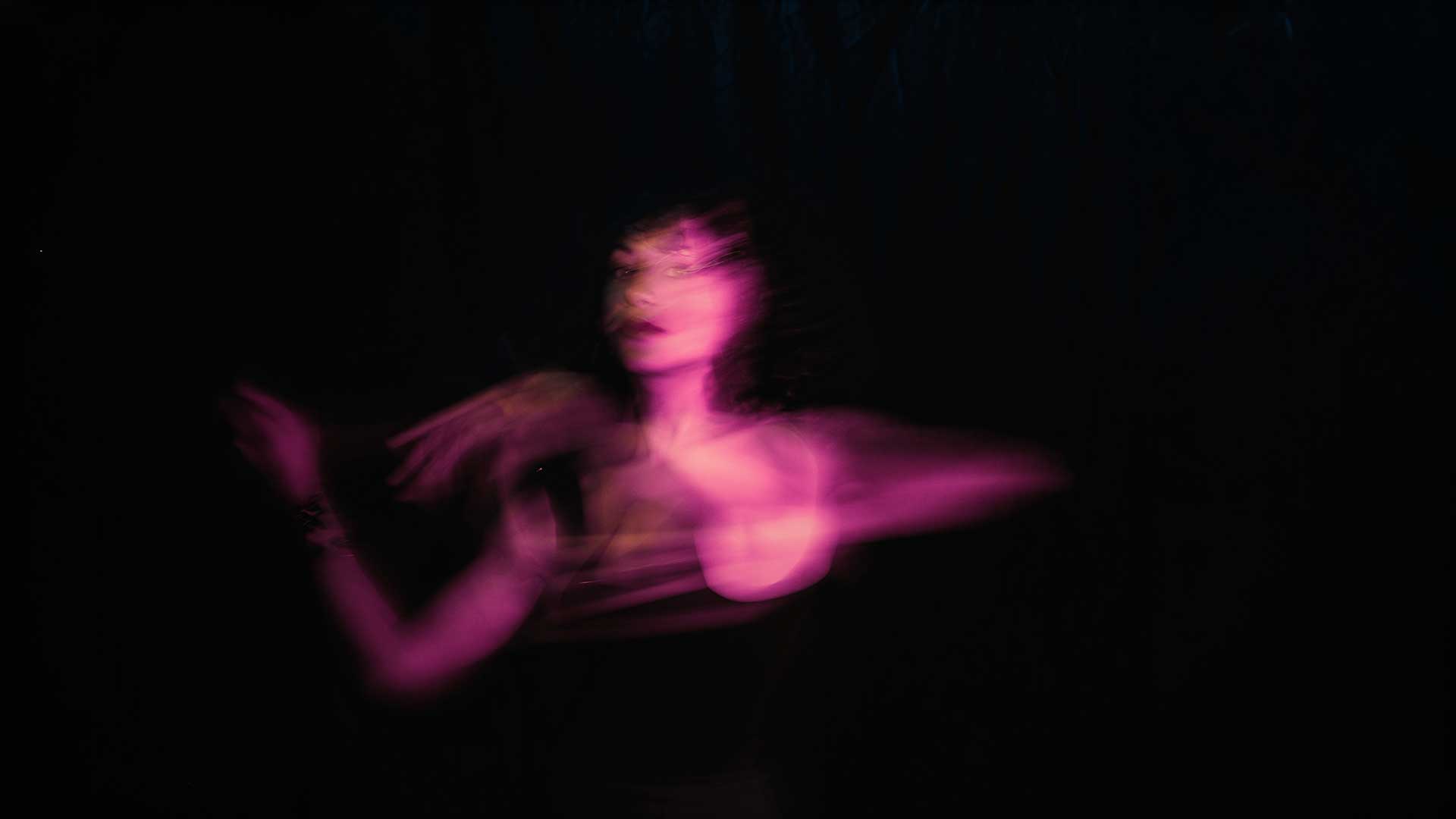
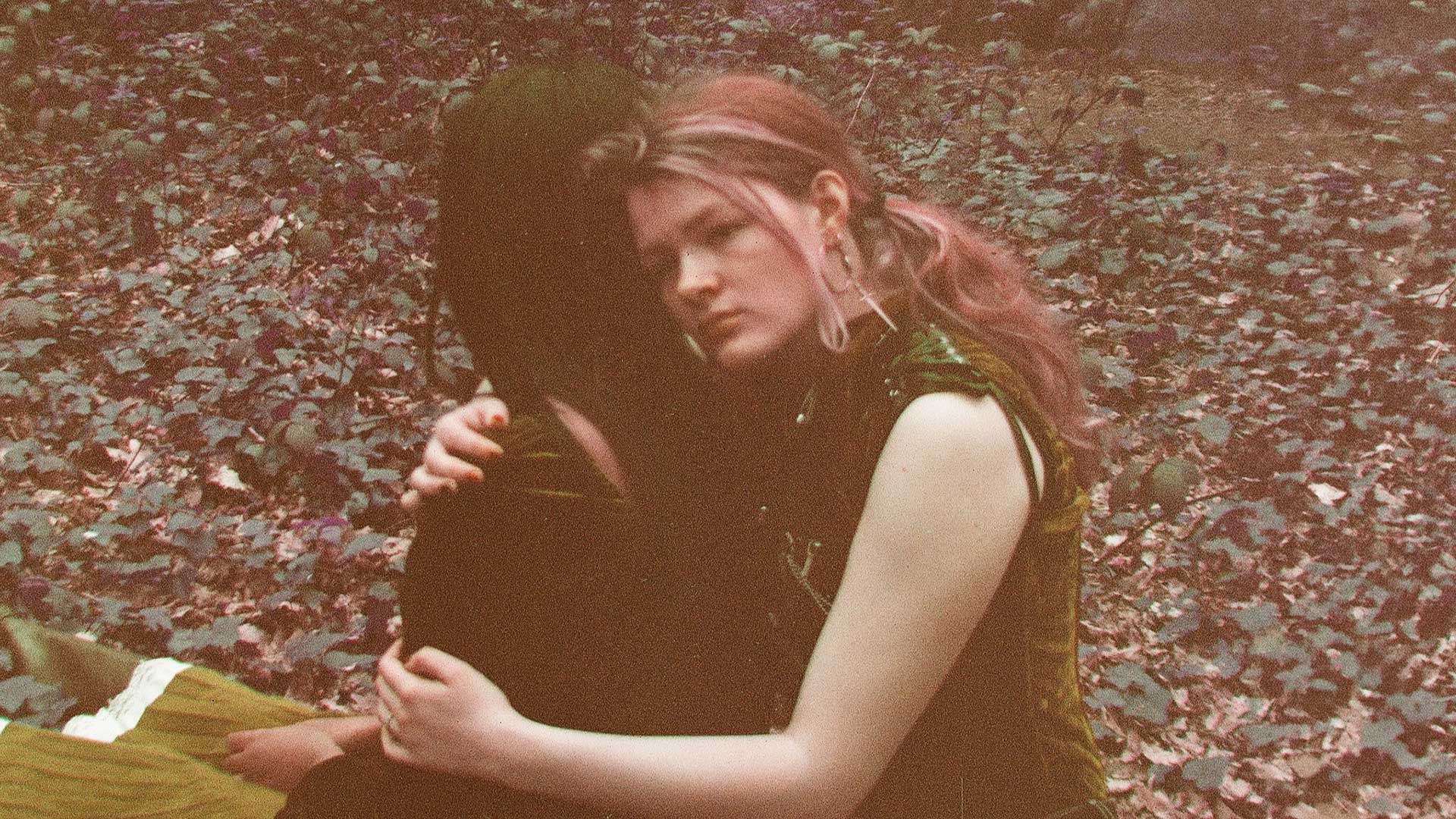
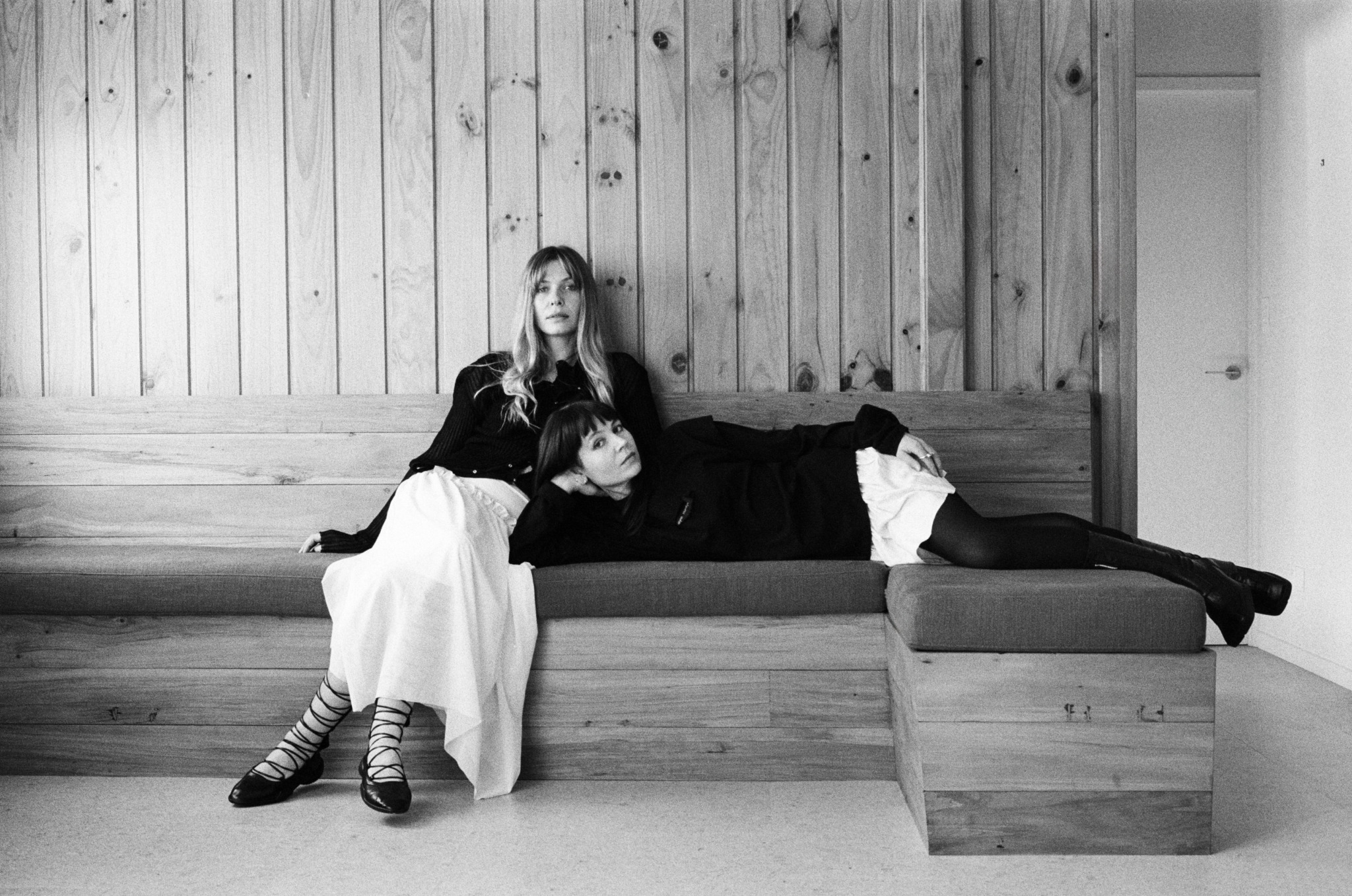
Purple Pilgrims are Clementine and Valentine Nixon (sisters from NZ) who spent a long time on Flying Nun. For a while they were Clementine Valentine (a name which already has a certain churchly about it). Then they went quiet, went off the grid and for this record brought in just two further players. Given to the Night is their debut for AD 93 and it comes after a period of transition which the girls have described in their own way. I hear that transition the way I hear a bell cooling down, very slowly, very deliberately, shaped by heat and patience. They kept the outside world completely at arm's length and the record has the feel of being made in a room with only their own voices to contend with, the rest of it being tape hiss and guitar reverb.
The record remains very much in its own world. In an age where streaming platforms reward the loud single and the constant on-air presence, Given to the Night is asking for the kind of attention a bellfounder would pay to a cooling cast. You just wait, you listen and you learn the shape of the silence. It's a marked shift for the sisters in terms of their approach to music. They've chosen to go all in on the quiet. I think that's the right decision and I hear it in every single soft guitar line.
The Nixons just brought in two more players really. That restraint is a choice I completely respect. On a record this quiet a single wrong drum fill would be like a hammer on cooling bronze. The sisters keep the arrangements almost to a point of asceticism really: soft guitars, very slow tempos, minimal percussion, tape hiss. That tape hiss is the album's weather really, it's the sound of the room. It's there in the record as a constant reminder of the fact that it was made in a room with air and dust and time. I quite like that they left it in. In this age of digital recording where silence is so often removed, Given to the Night allows the room to speak. That's the same principle as bellfounding really, the founder's careful act of subtraction is what gives the sound its character. That's the principle that applies here too, the small imperfections become the texture.
I'd actually say the calmness of the album is its greatest strength. Outside and Wherever You Go, There You Are are the ones I come back to again and again. The reverb-drenched dream pop is so very relaxed, unhurried, the guitars are quite soft, the tempo is slow, the drums are very sparse and there's always that tape hiss. That very restraint is what bellfounding taught me. A tiny cut can completely change the character of the piece. I'd put Outside on first for anyone who's not previously heard the band. To my ears Innocence Lost is the weakest of the lot, its quietness just dissolving into nothingness. It's a very unremarkable song.
The guitars are soft, the tempos are slow and the harmonies are absolutely sisterly. The songs are very much in the business of drawing you in gradually, like the tone of a bell after the strike. The melodies have a very 'remembered' quality about them.
The album kind of ends the way a bellfounder’s day ends, I think, with the mould broken and the bronze gone cool and the work done but the tone still hanging there in the air. And there’s a quiet confidence in finishing like that really, it just trusts that you’ll stay with it in the silence.
I'd hand Given to the Night to the listener who loves the hazy edge of dream pop, the place where a voice becomes an instrument and a guitar becomes a shimmer. You'll probably already be familiar with Cocteau Twins and Mazzy Star, and you may well like Grouper too. Her smaller, more intimate records are very much in the same spirit as this one, with the same kind of patience for silence. Play it late at night, on headphones, in a dimly lit room or on a long train journey through the fog. Start with Outside, then move on to Wherever You Go, There You Are and just let it play. If you need a hook in the first ten seconds or if you find reverb a bit much then just leave it. For everyone else, Given to the Night is a slow burn and it really does reward the same kind of patience that a bellfounder would bring to the lathe.