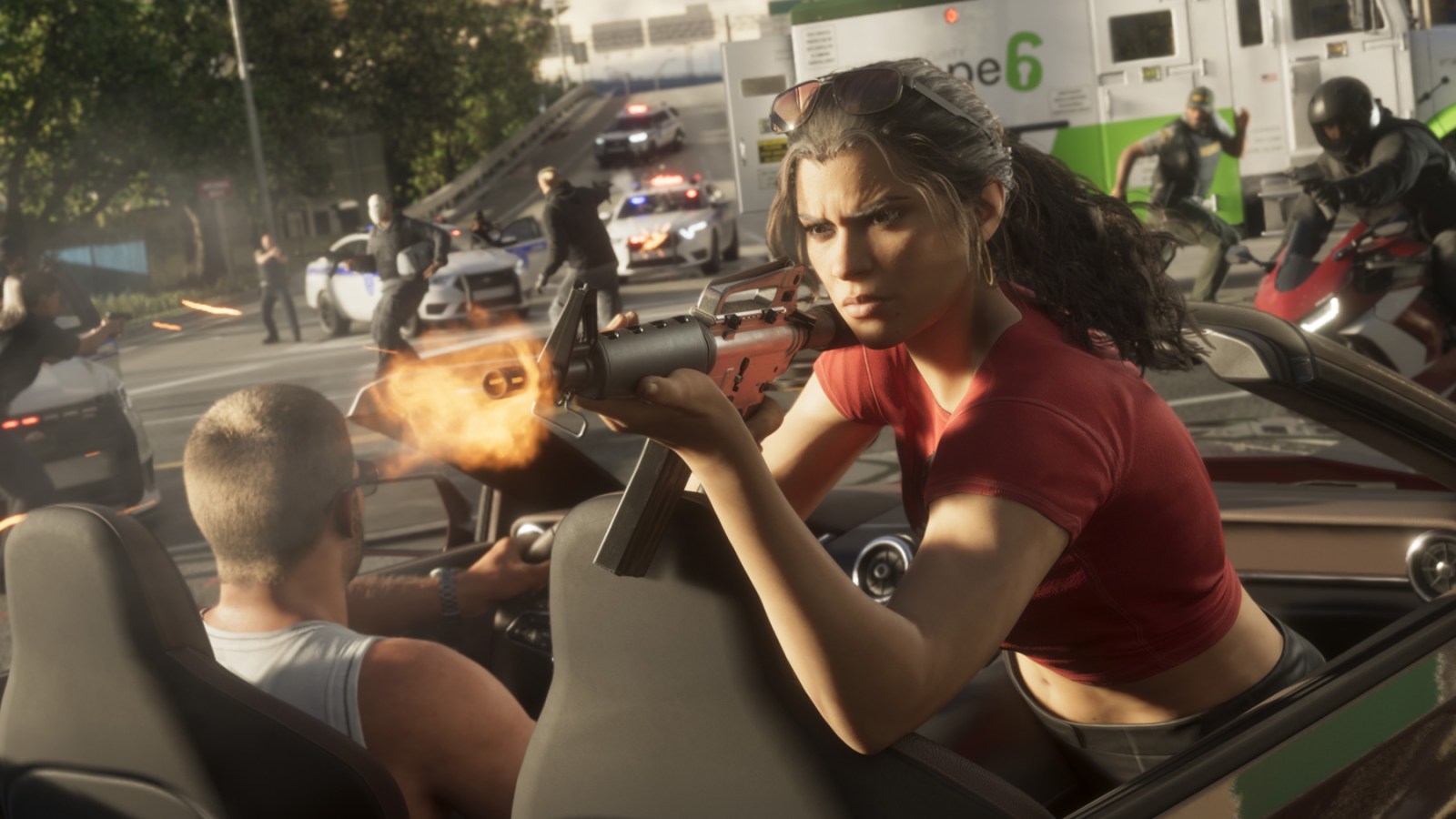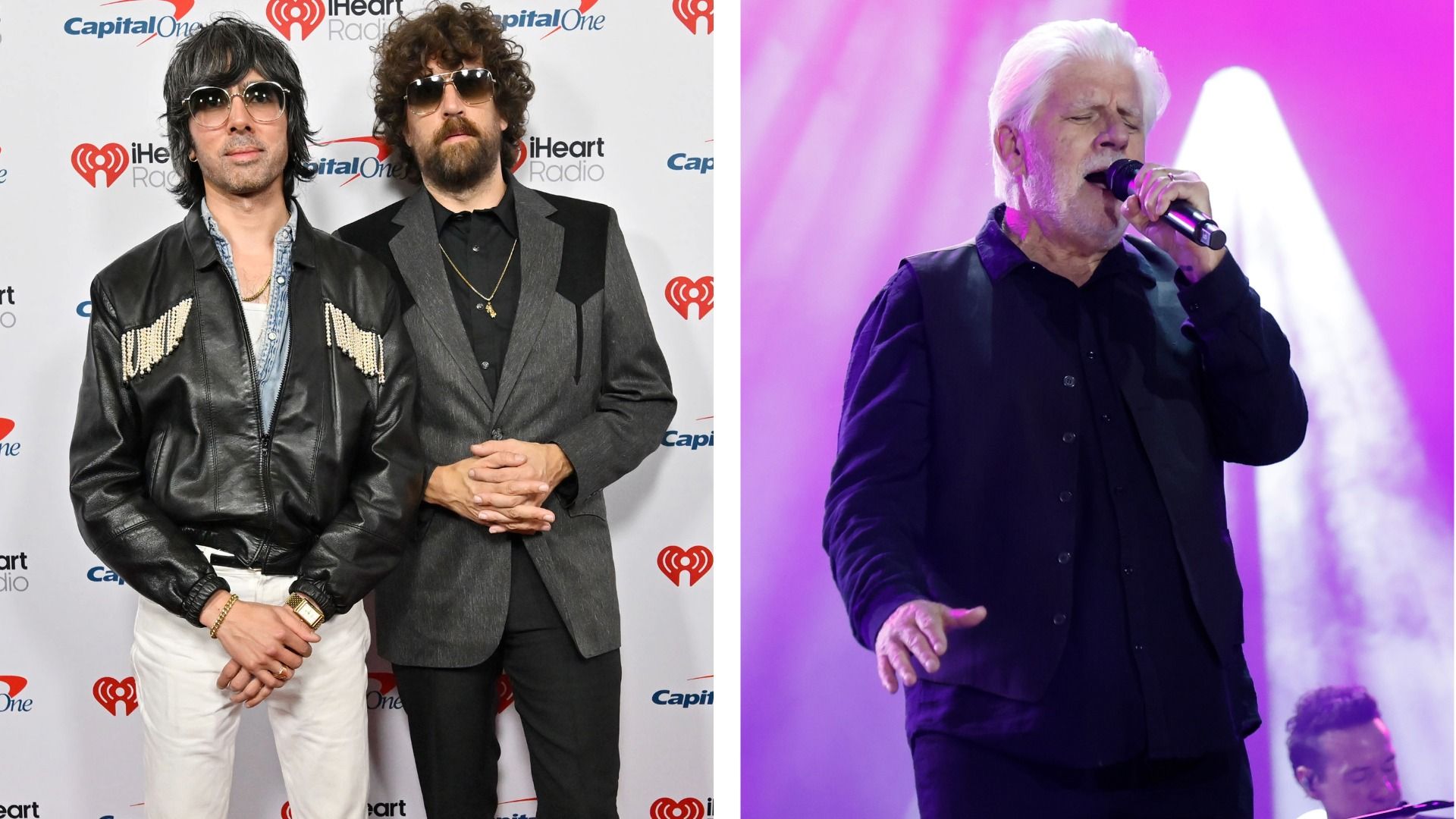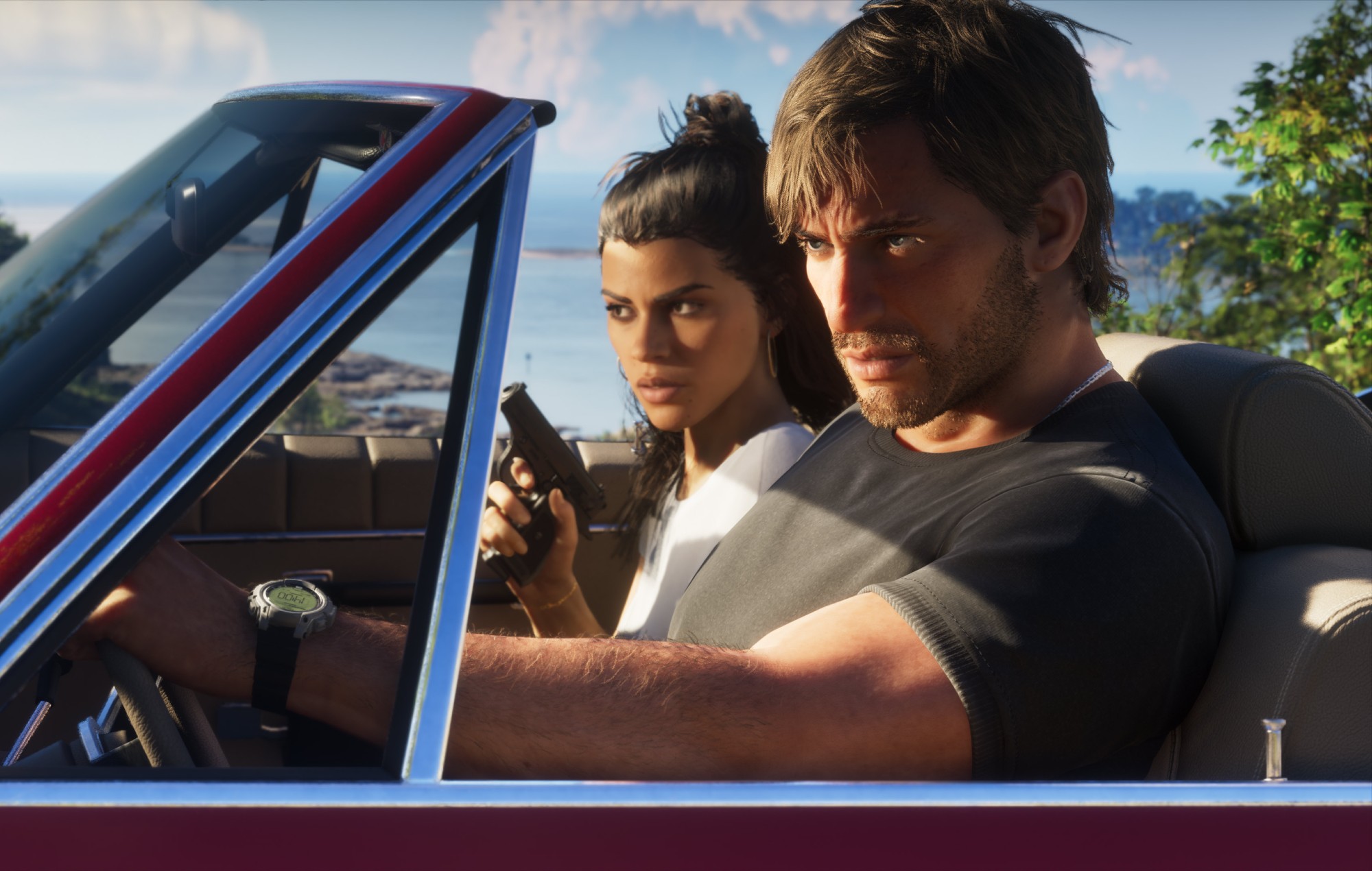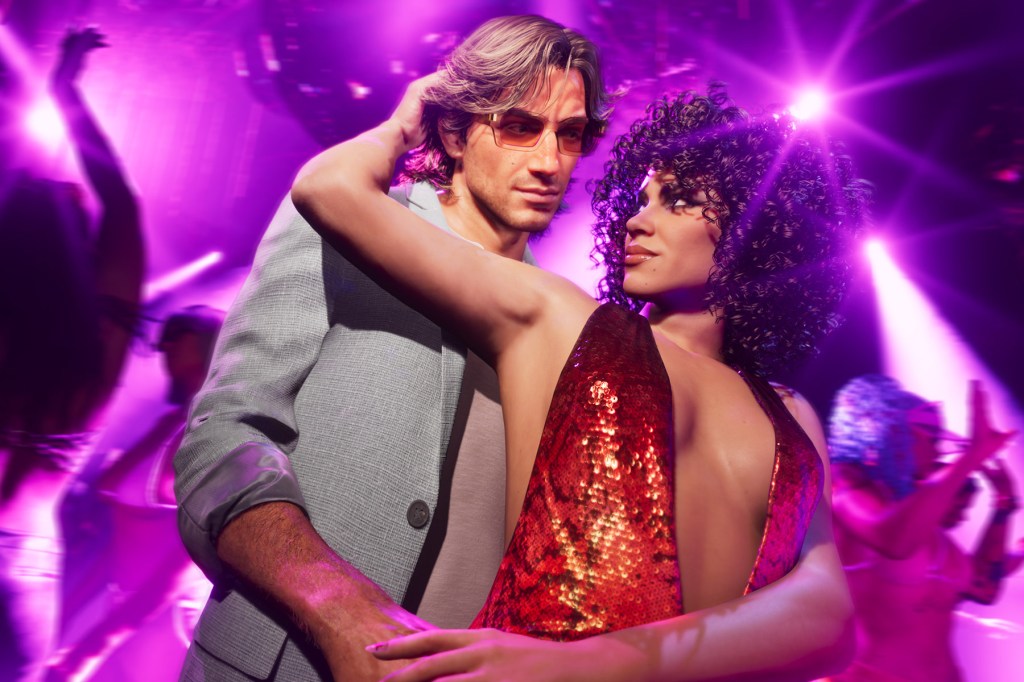
Grand Theft Auto VI arrived on November 19 with more than 800 songs inside it, 23 radio stations (21 for music, two for talk), in-game podcasts and television shows, and a score by Justice. Rockstar vice president of music Ivan Pavlovich and Justice's Xavier de Rosnay have now spoken publicly about how the game's sound was assembled, in the first detailed account from the people who built it.
The detail that carries the most weight is the oldest one. In 2002, while developing Grand Theft Auto: Vice City, Rockstar tried and failed to license The Cars' "Drive," a favorite of co-founder Sam Houser. Twenty-three years later, the song is the first thing players hear when they switch on the in-game radio. Pavlovich frames the clearance as evidence of relationships built across two decades, and the anecdote earns its place: a single record held out for a generation, then handed over at the door.
Rockstar's approach to music has shifted over time. The early games licensed hits; San Andreas brought in Chuck D, George Clinton and Axl Rose as DJs; GTA IV deepened ties with DJ Premier and New York radio figures; GTA V introduced the series' first original score, with The Alchemist, Tangerine Dream, Oh No and Woody Jackson producing more than 20 hours of music. The 34-track album that followed GTA VI's release, with SZA, Tame Impala, Dua Lipa, Lana Del Rey and Cardi B, continues that line, and a deluxe edition added 23 more originals days later.
Justice's route into the score was Pavlovich's conviction that no one else could do it. "We went to them as fans first," he said. "There was nobody else who could do this but Justice." The duo had never scored a game or film before, which Rockstar treated as an asset. "We were coming completely fresh," de Rosnay said. The work took years, and it took de Rosnay from one child to three. Michael McDonald sings on the opening credits song, and de Rosnay described him as a one-take performer: "He comes in, he sings, he leaves, and it's perfect."
The technical problem is the interesting one. A fixed score assumes a fixed scene; GTA VI's scenes vary by player. De Rosnay said the team would estimate five minutes for an average player, one minute for someone who knows the route, fifteen for someone lost, and deliver 20 to 25 minutes of music per scene so that "there's no wrong parts or things that sound artificial." That arithmetic, multiplied across a branching open world, is why the only game soundtrack Justice say they will ever make has no known running time. It also explains why a duo with four albums in twenty years could spend years inside one project: the score isn't a record, it's a system that has to hold up wherever the player wanders.