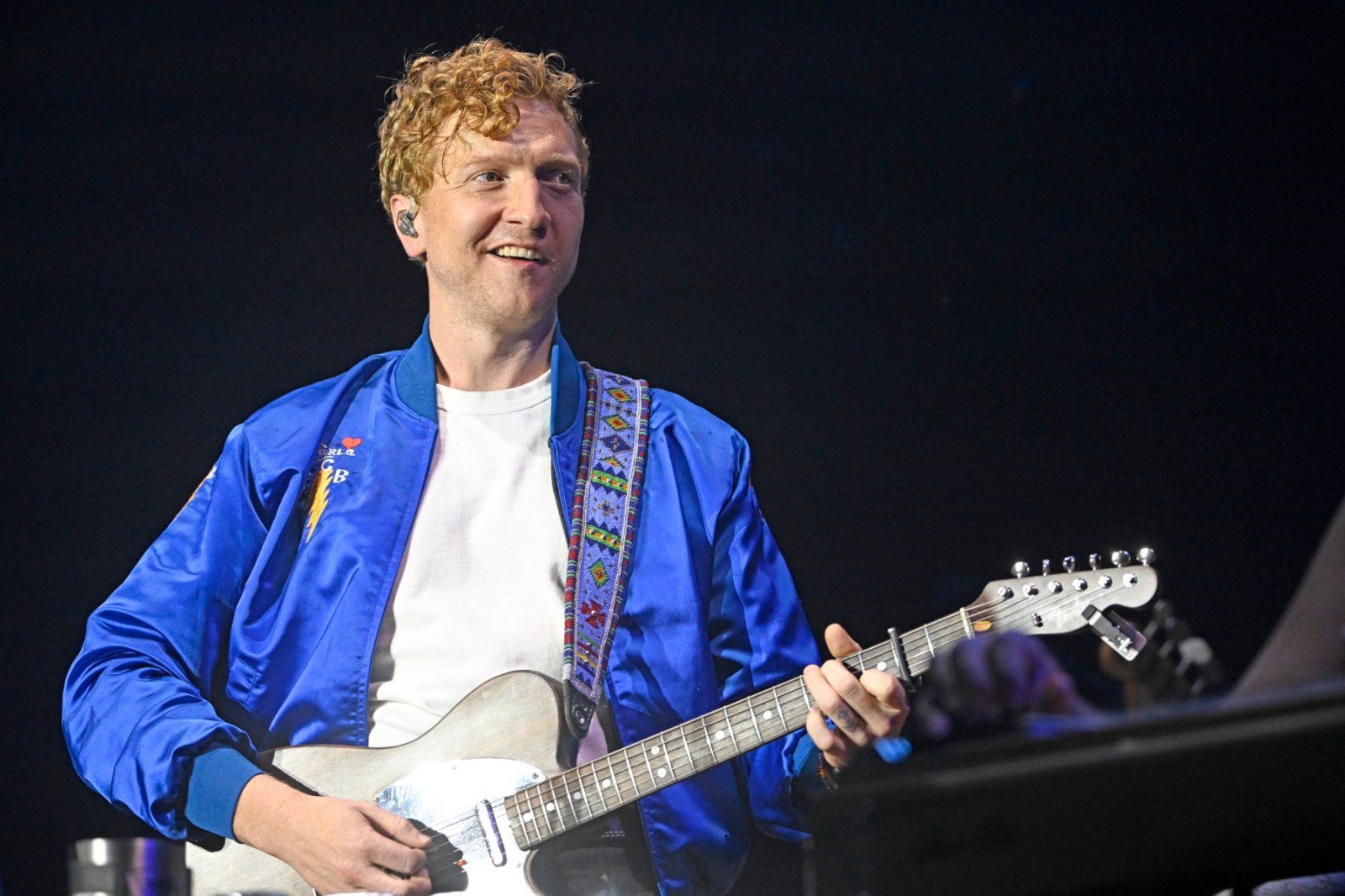
Tyler Childers rarely offers extended public reflection on his work. A new interview for the Newport Folk series Sea to Shining Sea, filmed in his Kentucky barn, is an exception. Childers touches on John Prine, neighborly understanding, and music as medicine—but the most direct moments arrive when he revisits “Long Violent History.”
Released in 2020 during the Black Lives Matter protests after George Floyd’s murder, the song addressed systemic violence and the complicity of silence. “It’s ruffled some feathers,” Childers tells host Jay Sweet, “but hopefully the relationship I’ve created with those people who listen to me had given me that space to just touch on some things: ‘Hey, we’re all here together, but some things aren’t cool and here’s why.’” He didn’t perform the song live for nearly five years. The first full outing came last June at the Hollywood Bowl in Los Angeles, just as ICE raids were sparking protests across the city. The delay wasn’t timidity, he suggests, but a sense of when the message might cut deepest.
Childers grounds his point with a plain analogy: a pothole doesn’t care about your politics; it’ll wreck your car regardless. That shared inconvenience, he implies, is what music can make visible. Lately, he’s found that clarity in James Booker’s “Make a Better World,” reciting the chorus like a mantra: “Whenever people shout / you gotta hear ’em out / everyone is a beautiful soul.” For an artist who relies on earned trust rather than constant commentary, it’s a fitting icebreaker.