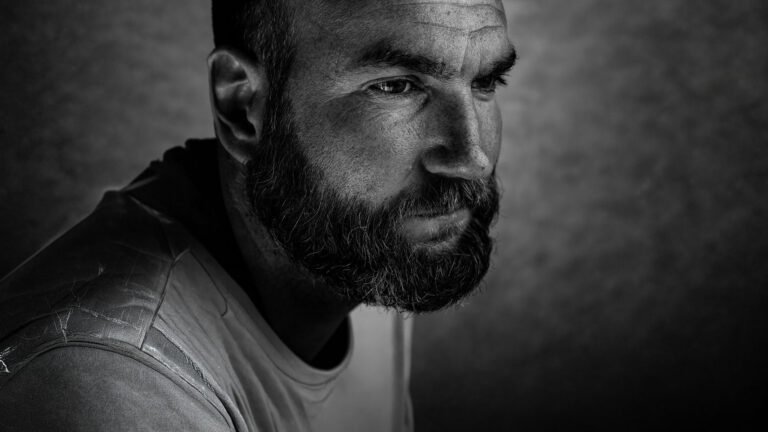
The Grantham-raised grit-pop writer turns the catalogue of fame, bodies and billboards into a hook you can shout, then asks what is left once the screen goes dark.
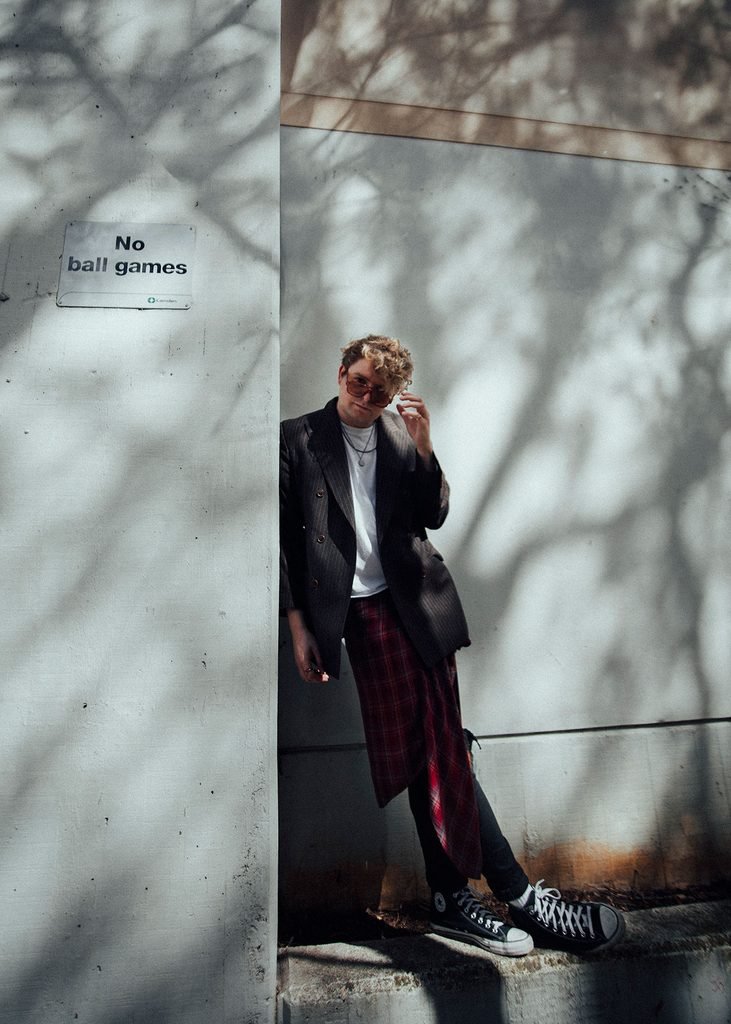
Drew Thomas grew up in Grantham, learned rooms in Nottingham, and has spent the years since 2019 building a solo language he calls grit-pop. Huge hooks, dirty guitars, early-noughties residue, and a voice that keeps putting sexuality, masculinity and self-acceptance in the same sentence. The first solo marker was Soho. The record that framed him more clearly was 2025’s Watershed EP, with Girls Like Girls carrying more than two million Instagram views and Do They Even Know You picking up BBC Radio 1 support from Alyx Holcombe. Dean Jackson’s BBC Introducing list named him among the most played artists of that year. This year he has already moved the temperature twice. Boys Aren’t Supposed To Cry looked at small-town rules and the cost of holding it in. Soda Friends threw itself into New York nights that get away from you. American Dreams is the third cut from an EP due next year, and it is the one that wants the biggest room.
In 1931, in the middle of a collapse, James Truslow Adams put a phrase into print that has been travelling ever since. Life should be better and richer and fuller for everyone. A British child was never the intended customer, which did not stop the slogan from arriving anyway, through late music channels, scratched CDs, magazine covers and the glow of a set left on too long. The sleeve of American Dreams still understands that first marketplace. A kid in a plaid shirt holds a boxed 3D puzzle while red Zs fall off the cardboard like sleep, like static, like the product starting to hum. A parental advisory stamp sits on a childhood photograph. The dream is already merch. That is the joke before a note plays. Thomas did not grow up inside the American myth. He grew up inside its export version, the one that sells fame, a perfect body and a packed house as if they were items you could circle in a catalogue and collect if you became the right person.
The song treats that catalogue as a script. The verses stay dry and close. Kick and snare sit tight. Bass is filtered and low. The vocal leans in with a smile that is already tired, firing questions at the listener the way a late advert fires wants. Do you want to be famous like the people on the billboard down the street. Do you want to be pretty like the boys on TV. Do you want the house, the friends around, the ripped body, the clothes you take off in style. The writing is plain on purpose. It sounds like a list you were handed before you had language for refusal. Second verse raises the price. Magazine cover. Money you can throw away. Backstage. Loved and hated in the same breath. The intimacy is the trap. He makes the fantasy feel available, then lets you notice how small the room has become.
Then the chorus knocks the furniture over. Guitars open with a bright overdrive. The kit gets wider. Stacked vocals turn the slogan into something you can shout without meaning it, which is the point. American dreams are all that I need. Sell your soul just to be on the screen. Could have it all if you want to believe. The oh-ohs are pop architecture, the same kind of lift you hear in that early 2010s Fall Out Boy and Panic! lane, except Thomas keeps a British edge in the phrasing, a little theatrical, a little sardonic, closer to someone who watched the myth on imported TV and never quite trusted the lighting. Around 122 BPM in a driving four, the track is built for both radio and a sticky floor. Hybrid drums, dry in the verses, open cymbals when it breaks. Synth bass underneath, electric bass when the chorus needs weight. Risers and octave stacks doing modern pop-rock work without burying the lyric.
The bridge is where the catalogue fails. The arrangement thins. The voice is left with the bill. Do you want it enough. Be what they’re dreaming of. You’ll give it all for picket fences. Here’s your life, how did you spend it. Then the line the whole single has been walking toward. Where the hell is my American dream. It lands as a yell more than a question, and the last chorus comes back at full heat because there is nowhere quieter to put that feeling. The scream is not decoration. It is the moment the product stops answering. Thomas has always written from the in-between, too rock for one room, too pop for another, a modern LGBTQ+ artist who refuses to sand the swagger off the confession. American Dreams uses that tension as structure. Seduction, explosion, collapse, explosion again. The satire is loud enough to dance to, which is how this kind of critique actually travels.
What gives the single weight is how cleanly it sits in the run he is on. Watershed asked whether the people closest to you had ever seen you. Boys Aren’t Supposed To Cry named the rule that keeps a town quiet. Soda Friends chased contact that only lasts until morning. American Dreams looks at the bigger poster on the wall and prices it. Fame, money, beauty, visibility. The things a generation was told would complete the picture. The song does not lecture. It performs the want until the want looks expensive. That is a sharper move than another sincere ballad about being tired of the internet. Thomas still believes in the big hook. He just refuses to let the hook pretend it is innocent.
American Dreams is out now. It is the sound of a writer who grew up on other people’s billboards taking the slogan back, turning the volume up, and leaving one honest hole in the middle of the chorus. The screen is still on. The puzzle is still in the box. The question is what you were willing to trade to be seen holding it.
Follow Drew Thomas
American Dreams is out now.
Listen: Spotify · SoundCloud · YouTube
Follow: Instagram · TikTok · Facebook · X · Official Site