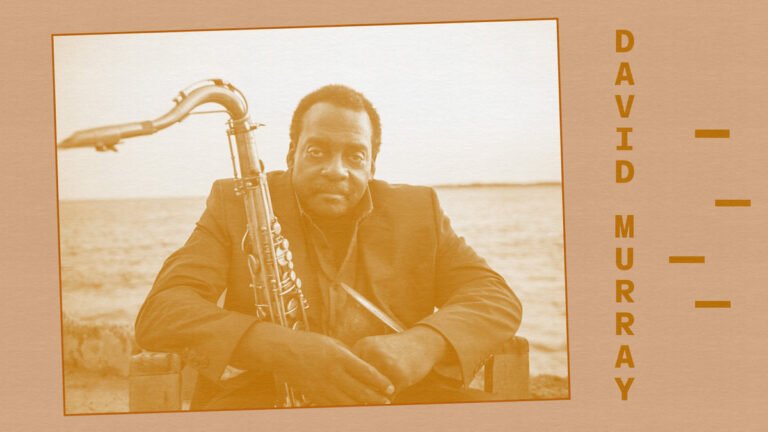
The saxophonist built a singular voice between the loft scene and the tradition, and the 1980s followed him.
David Murray arrived in New York in the mid-1970s, when jazz had little commercial life outside a few major names. The city’s decaying loft buildings gave musicians cheap places to live and perform, and Murray became a central figure in that scene. He was not just another young tenor player chasing Coltrane.
From the start, his sound drew on two poles that most jazz histories keep apart: the free spiritualism of Albert Ayler and the ballad warmth of Ben Webster. The result was not a compromise but a romantic, expressive style, played with equal weight on tenor saxophone and bass clarinet.
When the labels Black Saint and Soul Note helped revive jazz in the 1980s, Murray was among the most important musicians of the period. He co-founded the World Saxophone Quartet and led a little big band that held a regular residency at Sweet Basil. That group included figures like Henry Threadgill and Butch Morris.
Murray’s legacy is not about a single record or movement. It rests on a personal sound that moved the avant-garde and the tradition forward at the same time.
Join the Club
Like this story? You’ll love our monthly newsletter.
Thank you for subscribing to the newsletter.
Oops. Something went wrong. Please try again later.

ROMBO Editorial Staff
The collective voice behind ROMBO Magazine’s news, reviews, features, and cultural coverage.