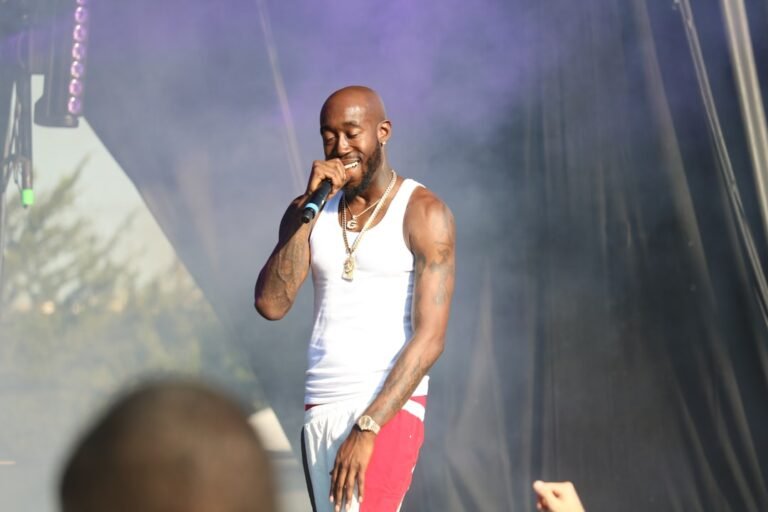
Artists including Jarvis Cocker, Beth Orton, Anna Calvi, and Rufus Wainwright performed at London’s Barbican Centre in a concert honoring the late Marianne Faithfull.
A year after her death, Marianne Faithfull was remembered in London this week with a concert that reflected her enduring influence across generations of musicians. The event at the Barbican Centre on Wednesday featured performances by Jarvis Cocker, Beth Orton, Anna Calvi, and Rufus Wainwright, among others.
The tribute was staged to coincide with the release of a new documentary, “Broken English,” which chronicles Faithfull’s life and career. The concert functioned as both a memorial and a cultural marker, illustrating the specific artistic lineage she represents.
Faithfull’s journey from 1960s pop icon to a revered, genre-defying artist known for her weathered voice and literary songwriting has long made her a figure of deep respect. The selection of performers for this event underscores that legacy. Artists like Jarvis Cocker, whose work with Pulp shares a similar blend of social observation and theatrical delivery, and Beth Orton, whose own path navigates folk and electronic textures, point to the breadth of her impact.
The Barbican, a venue known for its curated cultural programming, provided a fittingly serious and resonant setting. Such tributes often risk becoming merely nostalgic, but the caliber and stylistic range of the artists involved suggested a focus on Faithfull’s substantive artistic contributions rather than just her celebrity.
Events like this serve a dual purpose. They honor an individual artist while also actively defining their ongoing relevance. By gathering a cohort of respected, often idiosyncratic musicians, the concert frames Faithfull’s work as a continuing source of inspiration, particularly for artists who value lyrical depth and a defiant personal narrative.
The new documentary “Broken English” likely provided a focal point, offering context for both longtime admirers and newer audiences. In this sense, the concert was part of a deliberate effort to reassess and solidify Faithfull’s position in the cultural memory, moving beyond the well-trodden anecdotes of her early career.
While setlist details were not fully disclosed, the performances would have navigated a catalog that spans from the orchestral pop of “Broken English” to later, more raw and spoken-word influenced works. The choice of interpreters indicates an appreciation for the emotional complexity and uncompromising nature of that material.
This tribute confirms Marianne Faithfull’s status as a musician’s musician, an artist whose later work commands a reverence that transcends era or genre. The gathering at the Barbican was less about closure and more about affirmation, a signal that her distinctive voice continues to resonate in contemporary practice.
Join the Club
Like this story? You’ll love our monthly newsletter.
Thank you for subscribing to the newsletter.
Oops. Something went wrong. Please try again later.

ROMBO Editorial Staff
The collective voice behind ROMBO Magazine’s news, reviews, features, and cultural coverage.