The nonprofit Music in Exile brought six musicians from Australia, Senegal, and Burkina Faso to a studio on Hydra. The resulting album cuts a direct path between West African folk traditions and sharp, present-tense jazz.
The most durable fusion records tend to emerge from temporary, hard-to-replicate conditions—not jam sessions sold as diplomacy, but actual shared time. The new album Jutna belongs to that smaller lineage. It was written and recorded over two weeks on the Greek island of Hydra, inside the Old Carpet Factory studio, by six musicians who met for the first time when they arrived.
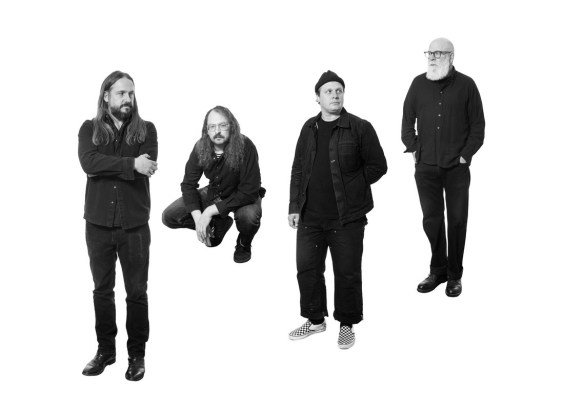
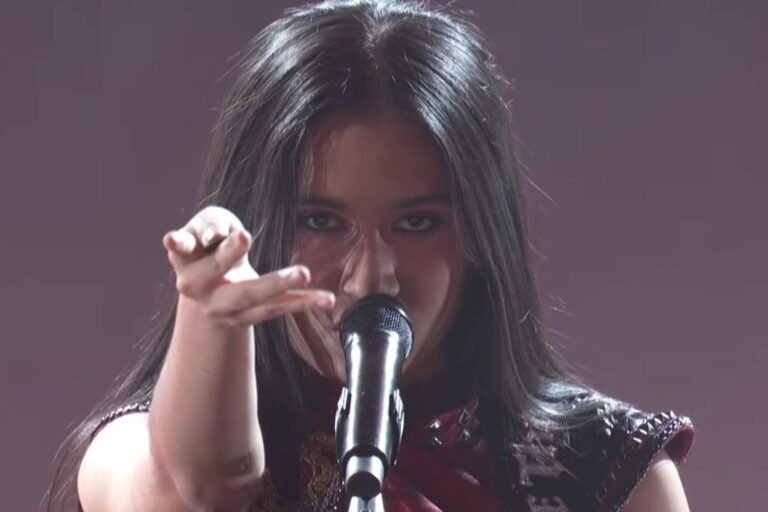
The project was initiated by Music in Exile, the Australian nonprofit built around immigrant artists. The lineup was deliberately cross-continental: Australian soul-jazz figure Don Glori, UK multi-instrumentalist Mackwood, Senegalese bandleader Boubacar Gaye, balafon virtuoso Seydou Diabaté, vocalist Sény “Magou” Samb, and Mamadou Dembélé, a ngoni, kora, and djembe player from Burkina Faso. The local residency organization Mnemosyne Projects added a thematic layer, asking the group to work within conversations about memory, identity, and global migration.
The results are compact—seven tracks split between propulsive energy and midtempo restraint—and the compositional density says a lot about how quickly trust formed. West African instruments carry much of the textural weight. Diabaté’s balafon lines are especially sharp, cutting through “Foli Yé” and “Wélé” with speed and clarity. “Stand Up,” the first single, pushes in a different direction: city-pop jazz-noir shaped by Afrobeat drums, smooth but never polite. The title track is floor-focused and warm, while “Burkina” stretches wider, pulling in psych-folk shapes and buzzing synths before the closer “Sikar” pares things back to cyclical vocal harmonies and whirling flute.
Stefan Blair, from the band Good Morning, engineered the sessions and kept the sound raw and forward, with a few well-placed production jolts. The record doesn’t feel precious. It sounds like a group project in the best sense—people cooking together, solving songs quickly, and leaving space for soloists to define the shape of a track.
Hydra itself is a quiet presence on the record. The island’s history was shaped by war, piracy, and waves of displacement, and the residency’s framing around migration isn’t decorative. That real-world layer gives Jutna a stake beyond style. This is a working collaboration, not a gesture, and it adds a meaningful entry to the Afro-fusion story precisely because it doesn’t overstate its case.
Join the Club
Like this story? You’ll love our monthly newsletter.
Thank you for subscribing to the newsletter.
Oops. Something went wrong. Please try again later.

ROMBO Editorial Staff
The collective voice behind ROMBO Magazine’s news, reviews, features, and cultural coverage.