In the deep Pacific, a dead whale becomes a village. When a whale dies and sinks beyond the reach of sunlight, its body settles on the abyssal plain and begins a decades-long afterlife. Hagfish and sleeper sharks strip the blubber in the first months, leaving a dark rain of flesh for the seafloor. Then bone-eating worms, some no longer than a fingernail, burrow into the skeleton and dissolve the lipids locked inside, releasing sulphur that feeds clams and mussels for years after the carcass has vanished. Scientists call the whole thing a whale fall, and they have found species there that live nowhere else on Earth. The decay is the point. The skeleton is a house.
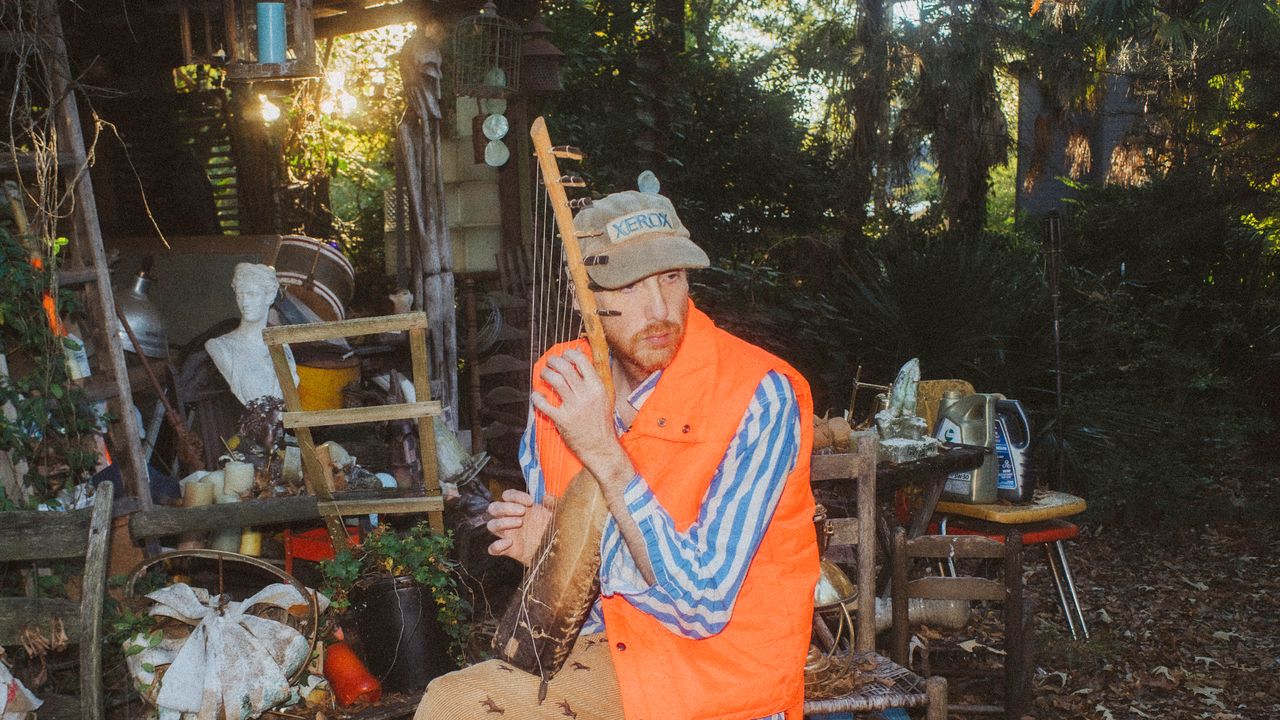
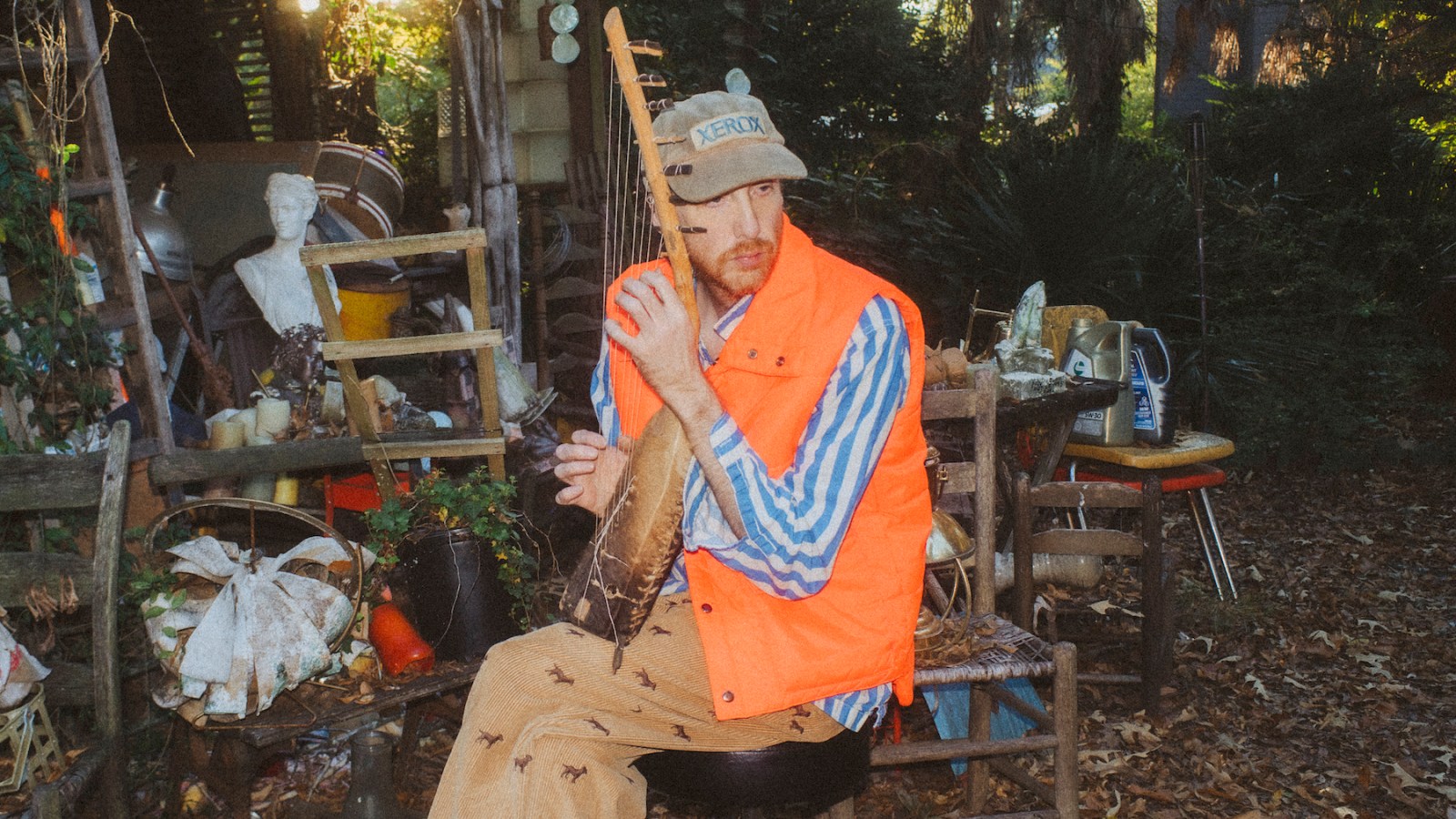
Atlas Sound's Thanatos, named for the Greek personification of death, arrives like one of those deep-sea sites, a record built inside an Atlanta attic by Bradford Cox, who also fronts Deerhunter. Cox has spent more than a decade away from this project, and the album he returns with is sparse, percussive, and quietly ferocious. It trades the hazy, dreamy drift of his earlier solo records for creaky piano, marimba, fuzz bass and restless drums at a slow loping tempo. The production is dry and close, so every croak and sneer in his breathy voice sits right beside your ear. Where a whale fall turns death into a feeding ground, Thanatos turns isolation into a stage, and the room feels full of small, hungry sounds.
Thanatos is Cox's fourth full-length and first in over a decade. He recorded it alone in his Atlanta attic, performing every instrument. That solitary fact shapes the whole record, like the whale fall's quiet ecosystem feeding on its own collapse. The record speaks to how people listen now: in headphones, in bedrooms, in the small hours, to music made at home. Cox has always understood that intimacy. Here he pushes it further, letting songs decay into their own skeletal pulses and largely denying the easy chorus. The album feeds on the listener's patience and offers little consolation.
The album's heart is Come and See, and I keep going back to it. Here the percussion is at its most insistent, and Cox's voice shifts between sneer and prayer, breathing close to the microphone. The song feels like the moment a bone-eating worm finds the marrow, all patient hunger. Two other tracks carry the album's lyrical core. On Akron, Cox sings that the chest holds no medicine and no doctor knows best, and on Day for Night he pleads with a mother of true onyx for milk and longs to flee a barren land. These words are the whale fall's dark chemistry: what the body cannot use, it turns into fuel, and what the heart cannot hold, it feeds to the sea.
The rest of the record circles that middle, but two songs stay with me. These are the moments where the album's decay becomes a space to inhabit. The other songs, like Octoberland, Arcadia, Passing Strange, and Roots Without a Tree, fill that space with smaller gestures, but they never quite command the room.
The listener who will love Thanatos already knows the pleasure of a slow decay. They may reach for Deerhunter's more cryptic moments, or Grouper's quiet tapes, or Sarah Davachi's long held tones. Start with Come and See, then let Day for Night and Kora pull you through. Play it after midnight, in headphones, while the rest of the house sleeps. If you need a chorus or a hand to hold, leave this one alone. The album's one real weakness is its length: at ten tracks, it holds together, but two of them feel like sketches, and I doubt they will change many minds.
When Kora fades, I picture the last bone-eating worm releasing its final puff of sulphur into the dark water, and the whale fall goes quiet. The record leaves the same afterglow: a full room, a long silence, and the certainty that something has been fed.