In a workshop off a narrow Venetian street, a mask maker presses a sheet of papier-mâché into a plaster mould, smoothing it with a brush dipped in glue. She adds layer after layer, each one thin, until the shell is stiff enough to hold a face. Then she paints it white, or gold, or black, and glues on a feather, a ribbon, a teardrop of glass. The mask replaces the wearer's face with a painted one. Under it, a shy person can flirt, a careful person can shout, a heartbroken person can laugh. The mask is a confession made out of paper and paint, and it is allowed to be anything except plain.
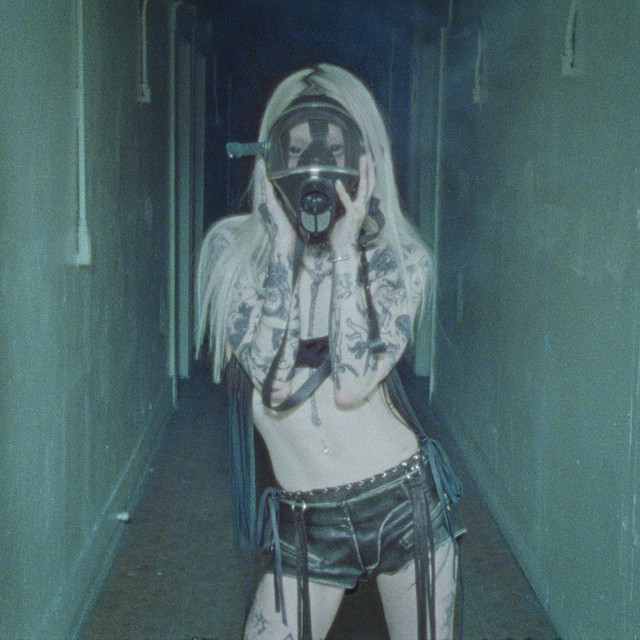
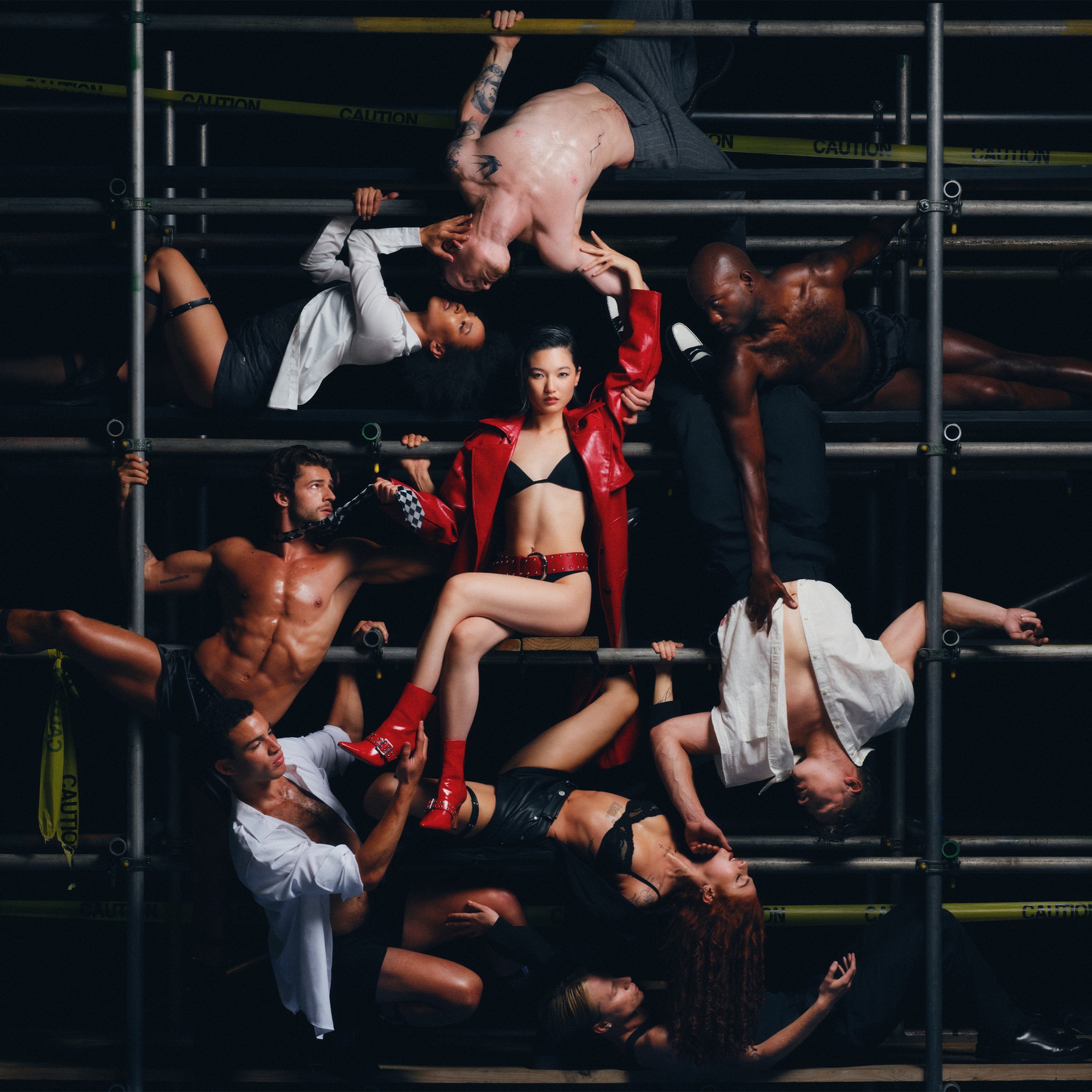
Chloe Qisha was born in Malaysia and now lives in Westminster, and she makes pop music that works the same way as those masks. Her first mixtape, Fantasize, out now on Sony Music Entertainment UK Limited, is a rack of painted faces: the shameless flirt, the envious wallflower, the possessed lover, the preening heartbreaker, the solitary daydreamer. Before this, she released an EP called Modern Romance, and her earlier songs dealt with loss, insecurity and existential dread. On Fantasize she steps into brighter light, but the old shadows stay under the paint.
These nine songs are a study in pop self-presentation. Qisha pairs a glossy, 1980s-inflected synth-pop bounce with a voice that flips from soaring belts and breathy gasps to dry, close-miked deadpan. The contrast powers the whole set: the music invites you to dance, the voice winks at you while it aches. I hear that mask logic in every hook. The record turns the confessional impulse of pop into a game of masks. She offers a confession that arrives with a laugh track, and I find a bare diary entry less convincing by comparison. I love the way she uses the dancefloor as a confessional booth, and the beat keeps the door open.
The title track, Fantasize, spells its own name over a rubbery bassline and then drops to a dry bass and percussion with a close-mic vocal asking "Am I that", and that moment of self-doubt is the seam that holds the whole set together. Around it, Qisha tries on different masks: the shameless infatuation of YDH, where she admits she is "Young, dumb and horny"; the blunt impatience of Question Of The Day, which turns a parking lot into a negotiation; the wistful envy of Baby Girl, watching another woman dance with nothing to lose; the campy possession of Possessed (in a hot way), which asks to be exorcised; the preening heartbreak of So Sad So Hot, hoping the pictures end up online; and the gloating kiss-off of Cry About It, playing the world's smallest violin. The songs where the mask slips are the ones I keep returning to: He Likes Boys, with its piano and strings and the sigh of resignation, and Surprise Surprise, where she mocks a man who can barely hug his own mother.
I keep returning to those two because they let the mask crack. On He Likes Boys, warm piano chords and swelling strings carry the early lines, and Qisha offers to be a princess in leather or a gal in a suit and tie, bargaining with a man whose desire lies elsewhere. Then the arrangement pulls back to a bare piano for the punchline "'Cause he likes boys" and her own echo, and the beat snaps in, and the joke turns into a small heartbreak. On Surprise Surprise, the first seconds sit in reverb and tears, then a dry drum groove cuts in and her voice drops into deadpan mockery: a man who can barely hug his own mother is a poor candidate for marriage. I love the way the production switches from washed-out to close-up, matching the lyric's turn from sobbing to sarcasm. These are the moments where the album's gloss becomes a tool for honesty.
The album's main weakness is its uniform palette. The glossy 1980s synth-pop bounce works on YDH, Question Of The Day, Baby Girl, Possessed (in a hot way), So Sad So Hot, and Cry About It, but by the time I reach the third rubbery bassline and fourth four-on-the-floor drum pattern, I start to crave more of the piano and strings she wields on He Likes Boys. I think Qisha knows this, because she keeps breaking the formula with sudden dropouts and dry vocal deliveries, and those breaks are where her personality cuts through hardest. The title track Fantasize spells its name over a beat and then drops to a dry bassline and crisp drum beat with a close-mic vocal asking a question that undercuts the fantasy, and that moment of self-doubt is worth ten disco choruses.
I would hand this record to the listener who likes their pop with a wink and a costume change. Two neighbours that come to mind are Rina Sawayama, whose own theatrical synth-pop shares the same love of camp and gloss, and Carly Rae Jepsen, for the heart-on-sleeve hooks, with the smaller act Magdalena Bay for the bedroom-pop texture. Play it while getting ready to go out, on a night bus, or in a bedroom with the mirror lights on. Start with He Likes Boys and Question Of The Day, then let Fantasize close the night. Leave it alone if you demand a ballad that keeps a straight face, or if you dislike lyrics that wink at their own cleverness.
The mask maker lifts the finished mask from its mould and sets it on a shelf to dry, next to a dozen others. Each one holds a different expression: a smile, a frown, a gasp, a glare. I picture Qisha in that workshop, choosing one for each song, painting it the colour the hook demands, and then stepping under the lights. The record ends with her asking whether she is that, and I think the answer is painted on the inside of the mask, where only she can see it.