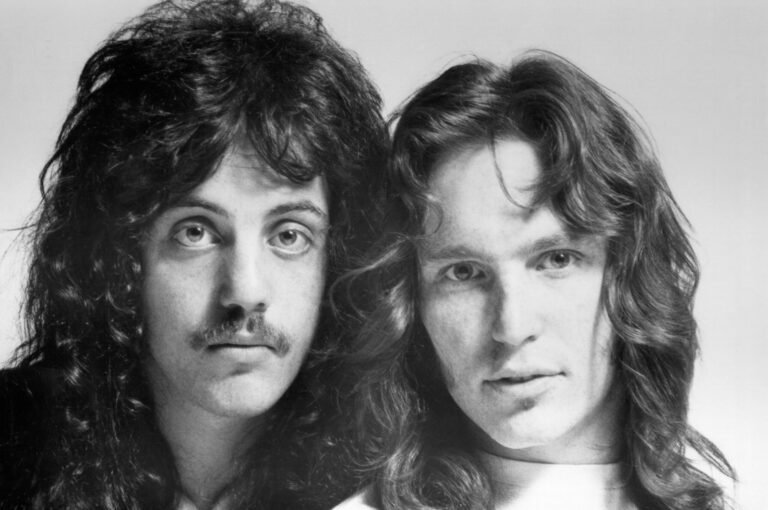
Sixty years after the car wreck that shattered Jan and Dean’s run, Dean Torrence’s quiet second act as a graphic designer tells its own story about survival and reinvention.
Sixty years ago this April, Jan Berry nearly died on a stretch of road that already had a name in pop-music lore. The irony was brutal: one half of Jan and Dean, the duo behind “Dead Man’s Curve,” suffered catastrophic brain damage in a crash just blocks from the real curve in Los Angeles. Dean Torrence, the other half, didn’t just lose a partner—he lost a working life that had seemed charmed.
Jan and Dean had been L.A. teenagers when they started harmonizing doo-wop in 1957. Backed early on by Lou Adler and Herb Alpert, boosted by Dick Clark, they rolled through hits like “Baby Talk” and “Clementine” before linking with the Beach Boys for “Surf City.” They emceed the 1964 T.A.M.I. Show, sharing a stage with James Brown and the Rolling Stones, a moment that now looks like a crossroads of rock and soul. But Torrence had always kept one foot outside the noise. While Berry chased a medical degree, Torrence studied advertising design at USC. He saw the balance as deliberate. “It was actually a good thing,” he told Rolling Stone. “We wouldn’t get burned out by the music industry.”
After the 1966 crash, that outside life became the main one. Torrence founded the graphic design firm Kittyhawk and quietly built a portfolio that shaped how millions encountered music. He did album covers for Chicago, the Beach Boys, the Supremes, and Steve Martin, among many others. The kid who sold millions as a voice ended up framing the visual identity of an era, away from microphones and charts.
The anniversary isn’t just a marker of loss. It points to a thread most pop histories miss: Torrence’s design work, durable and far from the spotlight, outlasted the hit cycle that made him famous.
Join the Club
Like this story? You’ll love our monthly newsletter.
Thank you for subscribing to the newsletter.
Oops. Something went wrong. Please try again later.

ROMBO Editorial Staff
The collective voice behind ROMBO Magazine’s news, reviews, features, and cultural coverage.