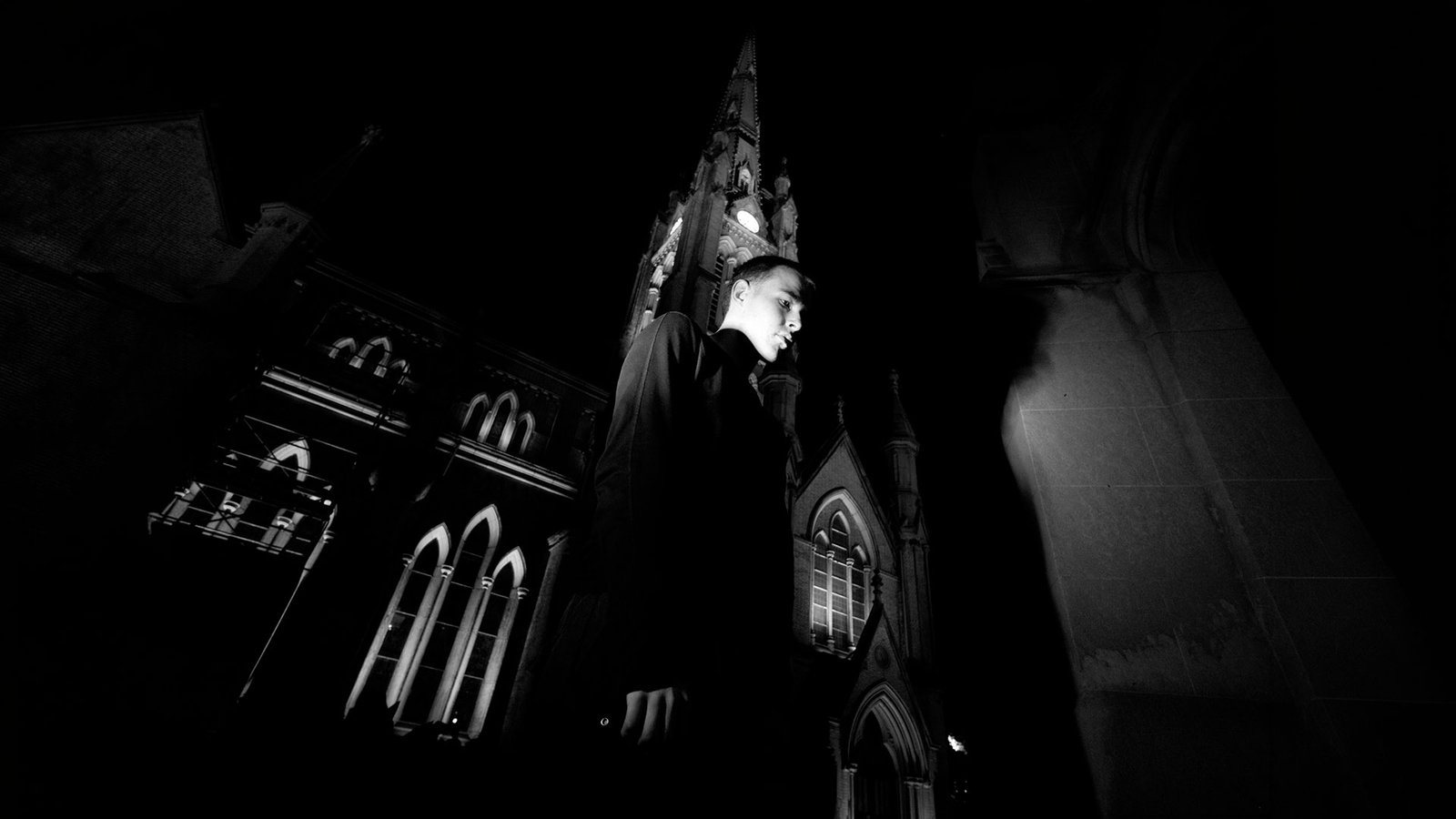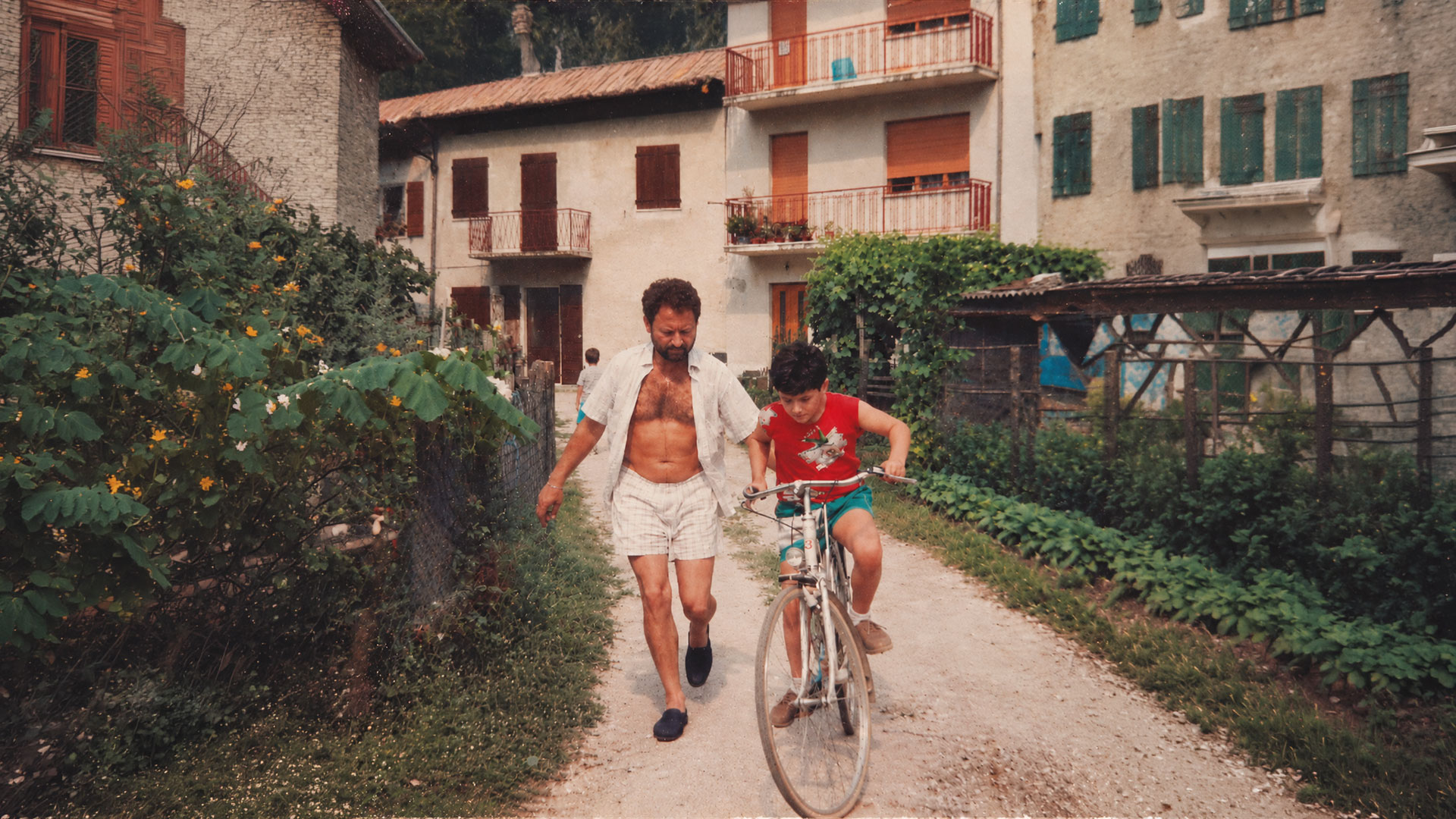
Philippe Mourani has spent years as a bassist in Montreal rooms, supporting other songs from the low end. With Eternal Mourning he steps forward as the writer and the voice. The project’s first album, A Draft, arrived in 2024 with a sense of unfinished business written into the title itself. The follow-up, What I Saw Is History, in late 2025, pushed further into memory and the stories people tell themselves about what they have lived through. Both records sit in a space that draws on the shadowy, organic feel of Timber Timbre, the weighted arrangements of The National, and the quiet damage of Beck’s Sea Change, without copying any of them. The sound stays intimate even when the textures thicken.
In the older armies a drummer walked ahead of the column. His job was simple and absolute. He set a pace that exhausted men were not allowed to abandon. If the beat held, the line held. If it broke, men sat down in the dark and the march was over. Eternal Mourning’s new single, Drums Are Beating My Steps, begins from a version of that logic applied to a bedroom at night. The force that keeps the body moving is not a superior officer. It is the mind itself, refusing to let the body stop.
The song opens on a clean electric guitar arpeggio soaked in reverb. The notes hang in a room that feels empty and too warm. Then a low, deliberate percussion enters, deep and unhurried, the kind of hit that does not ask for permission. The bass locks underneath it with a heavy, almost motionless step. Together they create the sensation of a floor that will not stay still. Mourani’s voice arrives from a distance, dark and held back, the tone of someone speaking after hours of failed attempts at rest. “Sweat keeping me from rest,” he sings. “I’m truly under stress.” The lines are plain. They do not need decoration. The body is already arguing with the order to sleep.
Later the snare arrives with a tighter, more martial pattern. The private struggle becomes a forced advance. “Boxing my way in my sheets” is the image that carries the physical fight. The bed is no longer a place of recovery. It is ground that has to be contested. The dilemma sits in the repeated line “Stand still to the fall or fight.” Either choice costs something. Standing still means accepting the collapse. Fighting means continuing the march the drums have already started. Mourani does not resolve it. He lets the title phrase return, first as a single voice, then layered into a denser, almost choral insistence. “Drums are beating my steps.” The words do not explain the feeling. They enact it. When the voices finally drop away, only the guitar remains, a thin echo in the silence the drums have left behind.
What stays with the track is the precision of that refusal. Insomnia here is not atmospheric mood. It is a specific condition in which the body produces the rhythm that keeps it from the rest it needs. The production understands the difference. Space is left around the voice so the effort of each line is audible. The percussion never rushes, which makes its persistence more unsettling. Mourani has written the experience from the inside of the hours rather than from the outside of the diagnosis. The result is a song that holds its temperature without raising its voice, and still leaves the listener feeling the weight of the steps that will not stop.