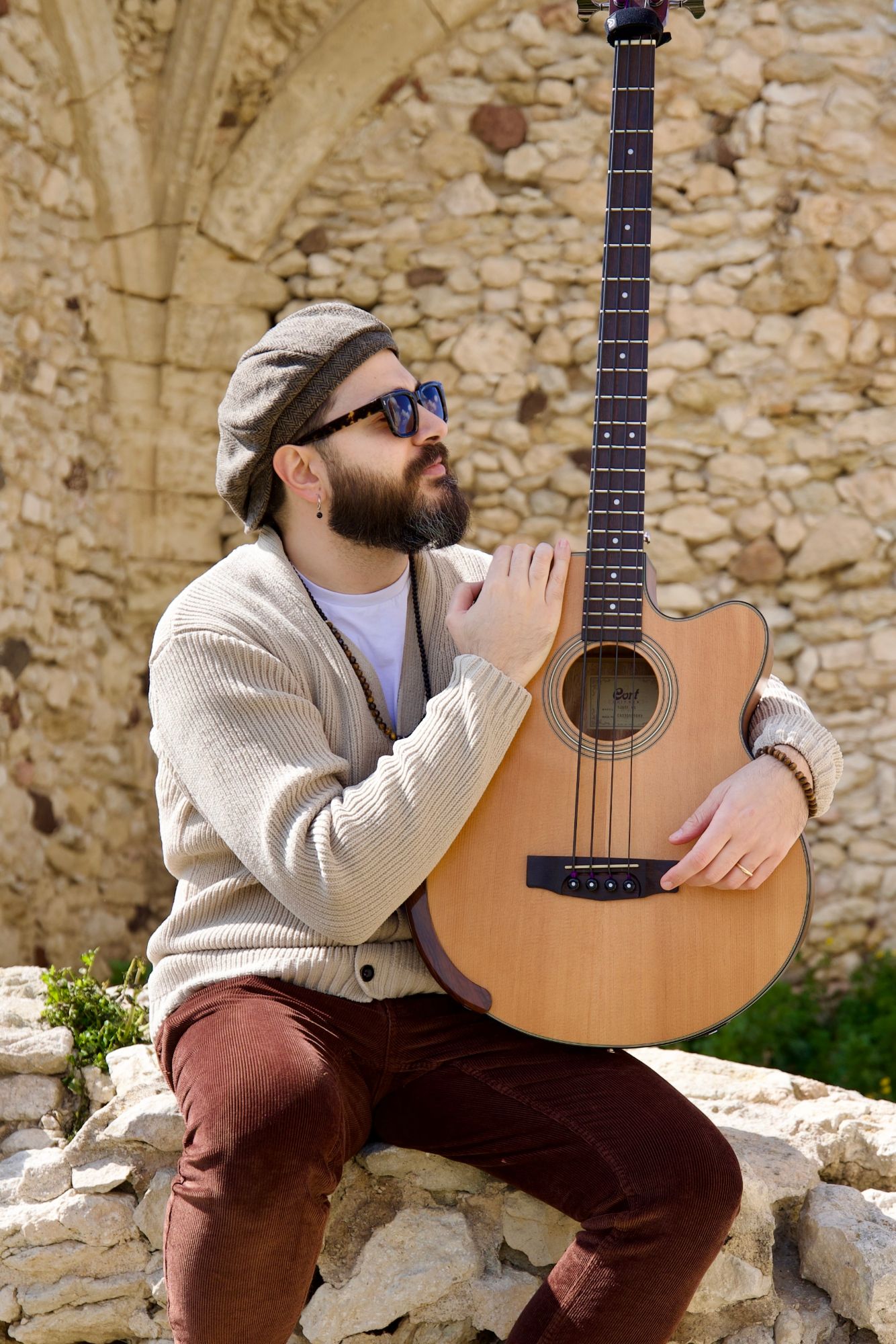
Pier Piras was born in Sassari in 1989. He came through the independent scene with White Sunset, studied in Milan, then returned to Sardinia. His first solo album, A Wizard’s Perspective (2022), treated the electric bass as a melodic lead. Eolo (2025, Roble Records) stripped the work down to the acoustic bass guitar alone. Nautilus, also on Roble Records and recorded at Roble Factory Studio, keeps that instrument as the gravitational center while allowing other voices and instruments to enter. The mix and recording are by Antonio Leardi, the mastering by Marti Jane Robertson. Collaborators include vocalist Mila Trani, organetto player Pierpaolo Vacca, and Francesco Moneti of Modena City Ramblers on violin.
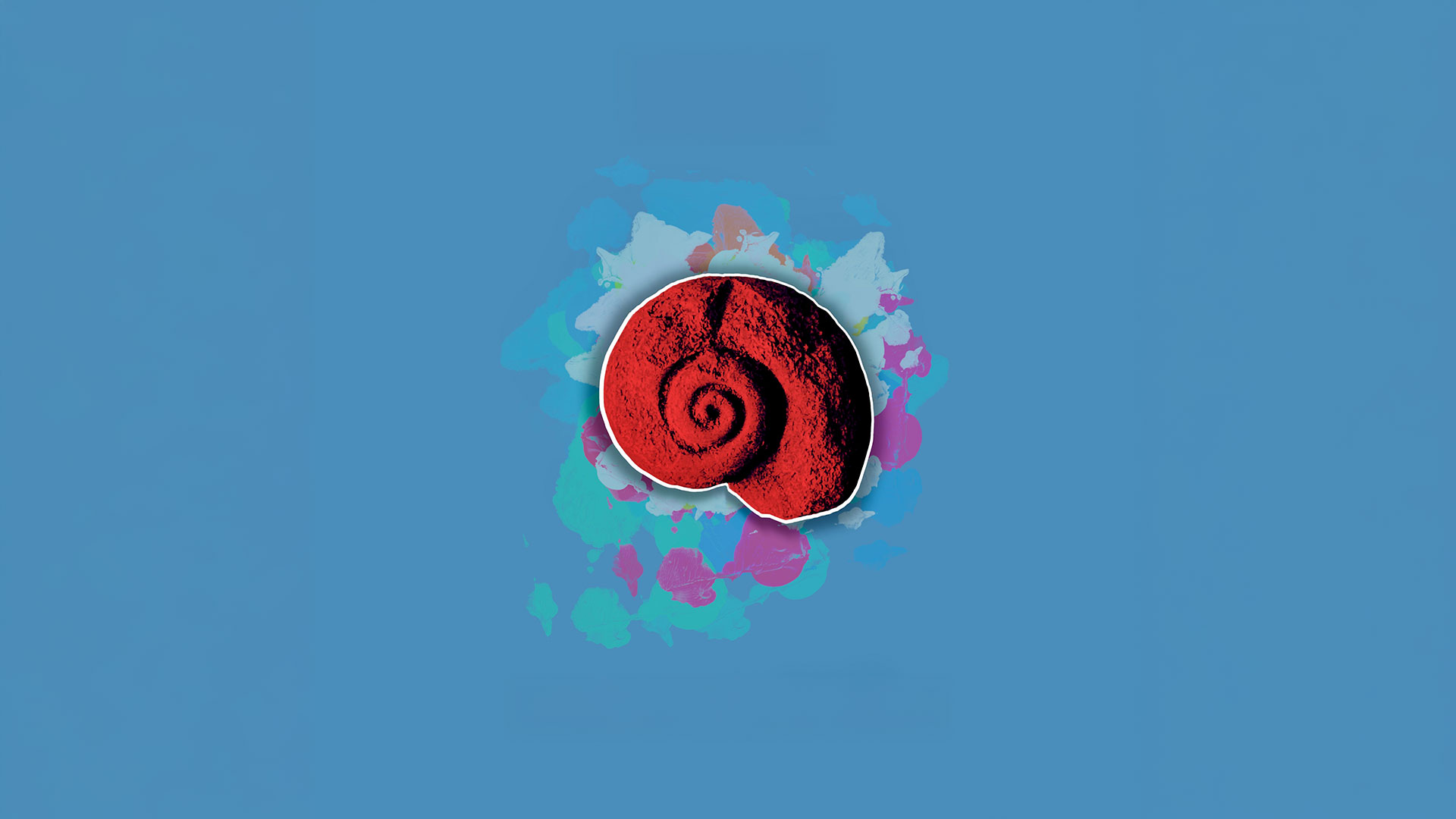
A nautilus does not simply grow larger. It seals each previous chamber and uses the sealed spaces for buoyancy. The animal moves forward by keeping the past intact and functional. That is the shape of this record. The acoustic bass remains the continuous line, the body that holds pressure, while each new piece adds a chamber that does not erase what came before. The result is not a collection of isolated tracks but a sequence that moves between private concentration and shared physicality.
The vocal fragments that appear are minimal and iterative. They do not advance a linear story. On Focus the voice returns to the same short phrase of mutual presence, “You and me, you and I,” reduced to a mantra of reciprocal attention. The arrangement keeps nylon-string guitar, bass, and hand percussion in close dialogue, the percussive taps on wood defining a small, protected space. The same economy appears on Bae Bae, where the only sustained lyric is a repeated “bye bye” that resolves, after the rhythm thins, into a single close, low-voiced farewell. There is no dramatic rupture. The groove of electric bass, acoustic guitar, and hand percussion simply continues past the point of departure.
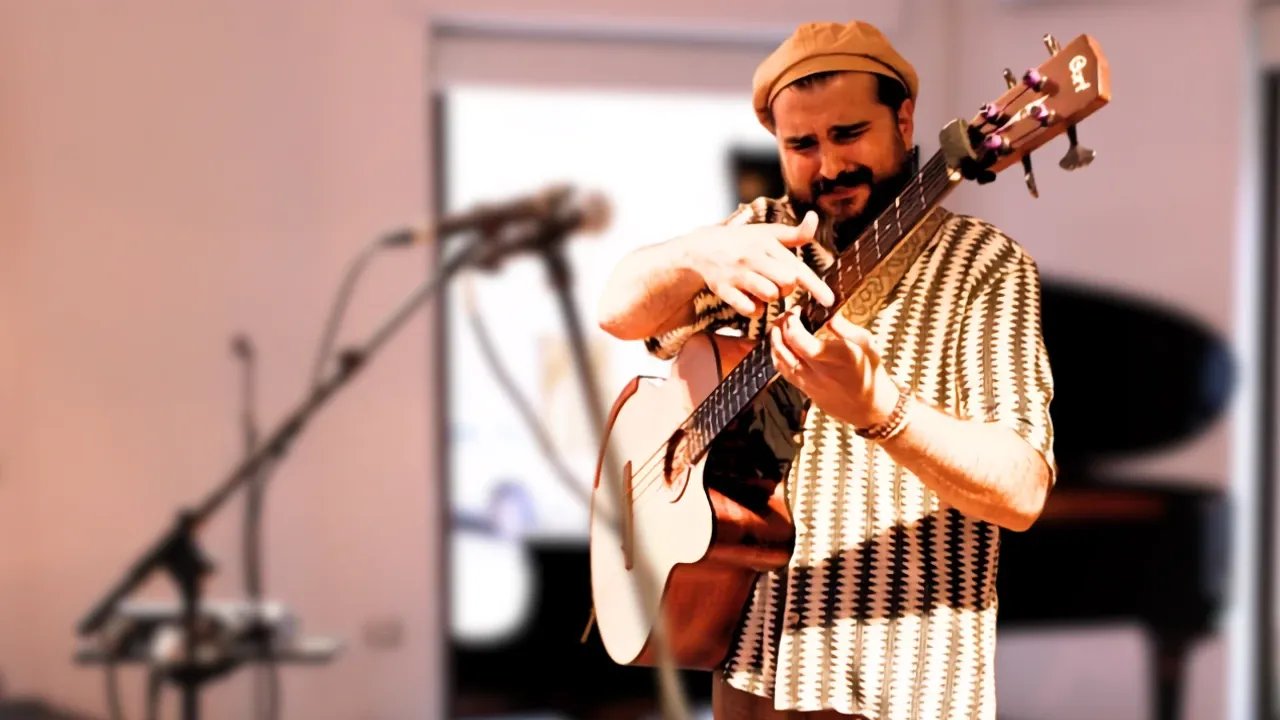
Oghes Infrànghidas, featuring Mila Trani, sits at the opposite pole. The Sardinian title points to broken or fractured voices. The piece builds from sparse guitar and bass figures into a central passage where melodic line gives way to cry and convulsive release. Trani’s voice functions as another instrument, sometimes doubling, sometimes breaking. The production stays dry and close, so the physical detail of fingers on strings and skin on percussion remains audible. This is the record’s most exposed moment of visceral fracture.
The other tracks extend the same logic into landscape and collective energy without needing more words. Medusa works through chromatic figures and elastic bass ostinatos that tighten and release, the voice entering only to double lines or open into soft, non-verbal calls. Duna Cremisi uses modal scales with augmented seconds and the woody resonance of oud against frame and goblet drums, tracing a solitary desert passage that rises into a dense tremolo before opening into suspended chords. Ardere relies on phonetic syllables and percussive vocal attacks, “Bum ci-ca-ta,” “Ci-chi-tò,” “Diabulé,” turning language into rhythmic gesture for a shared, bodily pulse. Sol in Sol, with Pierpaolo Vacca on organetto, brings the Sardinian bellows instrument into direct conversation with the acoustic bass, the two instruments trading light and pulse. Sofia, featuring Francesco Moneti, opens and closes with birdsong, the fingerstyle guitar and violin moving from open pastoral lines into a faster modal dance before returning to the wood. The closing title track, Nautilus, places real wave and wash sound against the acoustic bass and guitar, the middle section submerged before a luminous guitar figure rises again.
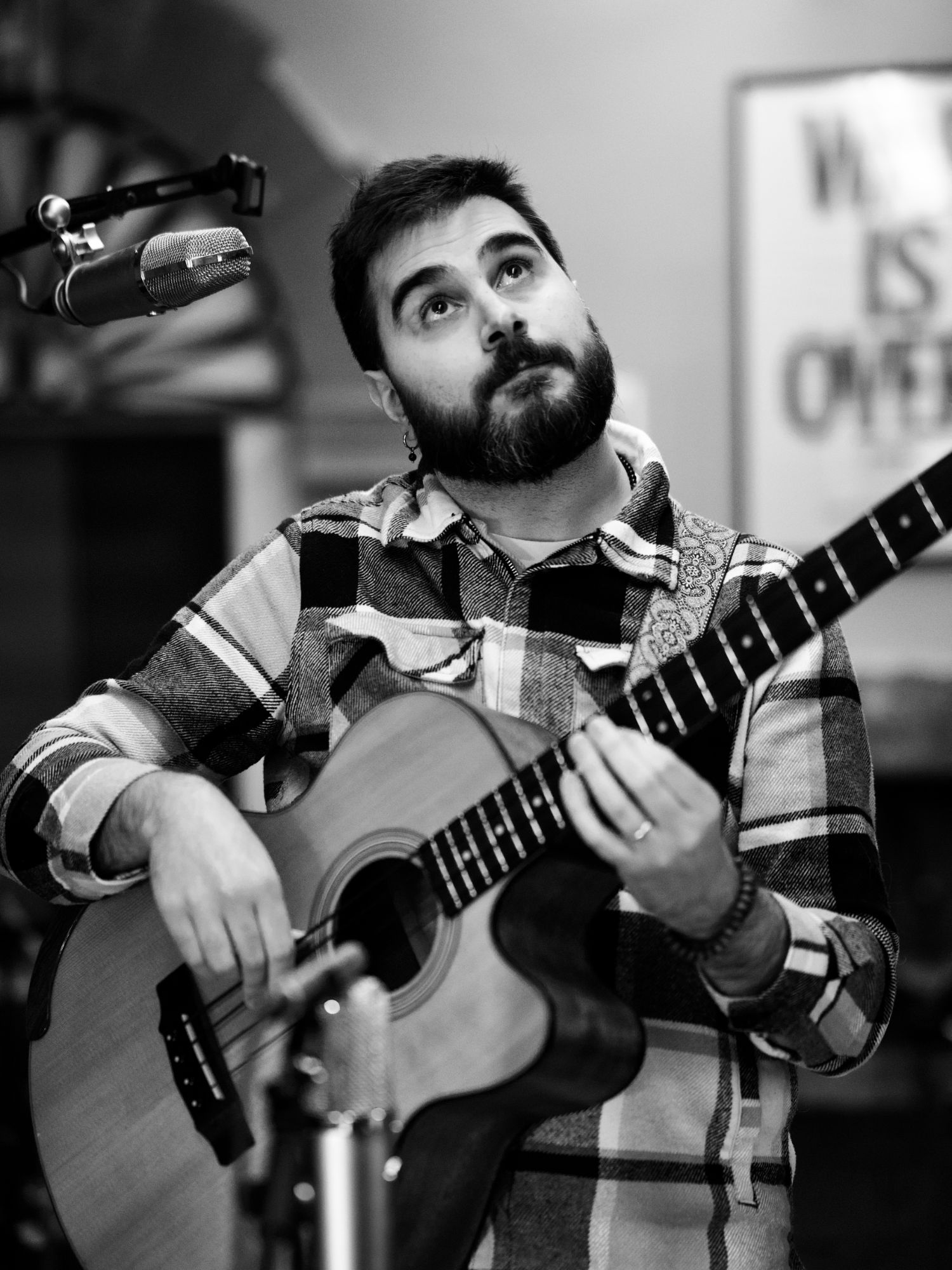
What holds the nine pieces together is the consistent tactile production. Finger noise, body taps, bow hair, and the skin of the percussion are left close. The acoustic bass is never reduced to a supporting role. It supplies melody, rhythm, and harmonic outline at once. The collaborations enlarge the palette without displacing that center. The chambered structure allows the private concentration of Focus and the quiet release of Bae Bae to sit beside the collective energy of Ardere and the open marine space of the title track. Each section remains sealed and functional. The bass continues to provide the buoyancy that lets the whole move.