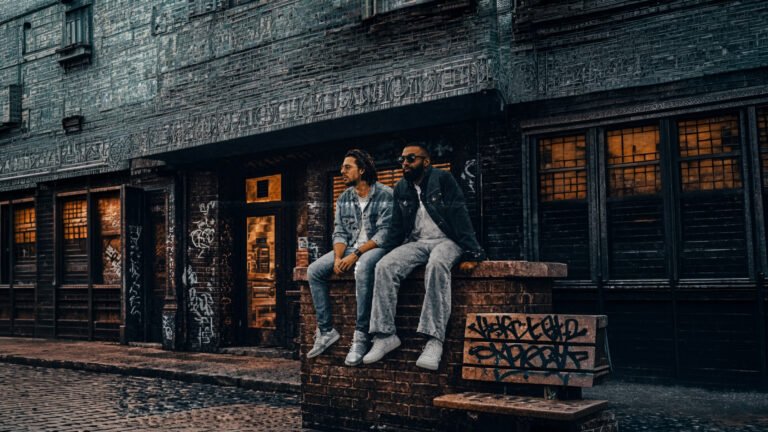
Before the graffiti and the power trios, a teenager named Eric Clapton heard Freddie King’s guitar and found a mission.
Between 1963 and 1966, Eric Clapton moved through the Yardbirds, John Mayall’s Bluesbreakers, and the formation of Cream, reshaping rock guitar into a lead instrument of formidable seriousness. The speed of that evolution—just three years—would have been enough to turn anyone’s head. When “CLAPTON IS GOD” appeared on a North London wall, the guitarist later admitted he thought it was justified. “I felt I deserved it for the amount of seriousness that I’d put into it,” he told Guitarist in 1994.
That seriousness had a clear source. Clapton was on a mission to spread the blues gospel, a calling he found not in the early rock’n’roll that first introduced him to the electric guitar, but in the shock of hearing Freddie King. The 7-inch for “Hideaway” and its B-side, “I Love The Woman,” contained a guitar solo that, as Clapton wrote in his autobiography, had “an effect on me similar to what I might feel if I were to meet an alien from outer space.” King’s phrasing was expressive, melodic, closer to modern jazz than to rock’n’roll, and it demonstrated that the guitar could stand on equal footing with the voice.
Other players—George Barnes on Connie Francis’s “Lipstick On Your Collar,” James Burton’s country picking—shaped his ear, but King was the revelation that locked everything into place. It also fed a youthful disdain for pop hysteria. While Beatlemania swept up the public, Clapton saw the adulation as misdirected, a betrayal of his unsung heroes. That friction, sharpened in the Roosters rehearsals where bandmate Tom McGuinness first played him King’s records, drove Clapton deeper into the role of blues evangelist. The myth of the guitar god began not with the graffiti, but with a kid sitting alone, hearing a solo that made the world feel alien.
Join the Club
Like this story? You’ll love our monthly newsletter.
Thank you for subscribing to the newsletter.
Oops. Something went wrong. Please try again later.

ROMBO Editorial Staff
The collective voice behind ROMBO Magazine’s news, reviews, features, and cultural coverage.