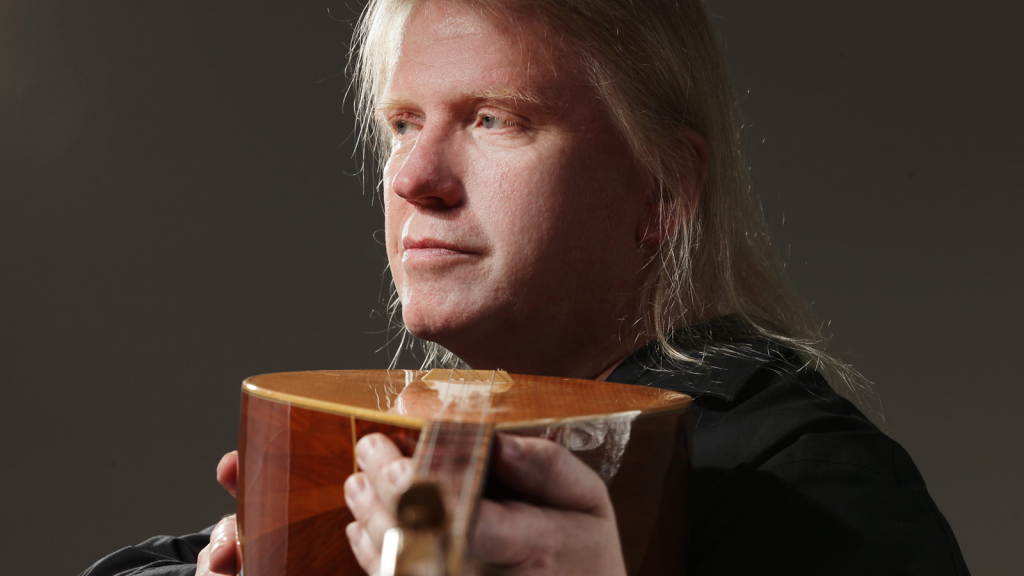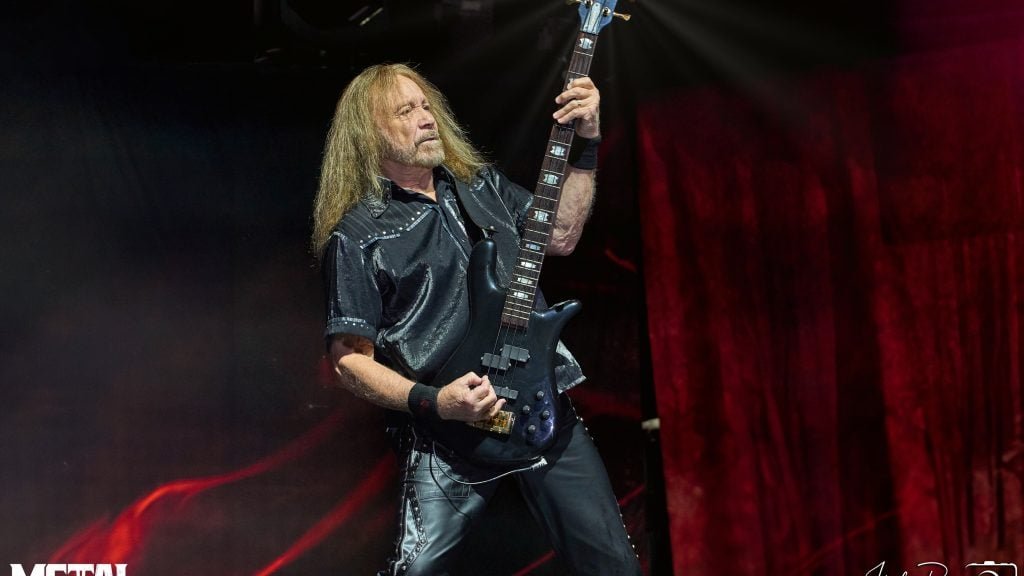
Ian Hill has played bass in Judas Priest for more than five decades, a role that has rarely invited attention. In Brussels, that changed. A tendon gave way during a performance, and the founding member briefly believed his time in the band was finished.
Recalling the moment, Hill said he thought, "That's it. That's the end of it." The line reads as drama, but the fear behind it was practical. For a musician whose work depends on repetition, the threat is not artistic. It is a hand that will not do what it has always done.
Hill has also said he almost retired at the end of the band's last tour. Coming from a founder of one of metal's longest-running acts, the admission reframes what audiences watch on stage. Judas Priest have maintained a touring schedule built on the assumption of continuity. The bodies underneath that schedule do not always cooperate.
Heavy metal has never been sentimental about ageing, and its founding generation is now negotiating the physical limits of a form built on volume and endurance. Hill's account is not a retirement announcement, and it should not be read as one. It is a reminder that the cost of these tours is borne in tendons and joints, long before it ever shows up in a setlist.