Japanese lacquer repair keeps a cracked bowl in use. The crack is filled with urushi lacquer and dusted with powdered gold so the crack lines gleam. The practice dates back centuries when a broken tea bowl had come back from China repaired with metal staples and the local craftsmen were looking for a more beautiful method. Kintsugi accepts the break as part of the object's history. The repaired bowl is in fact stronger at the seams and the break is turned into the point.
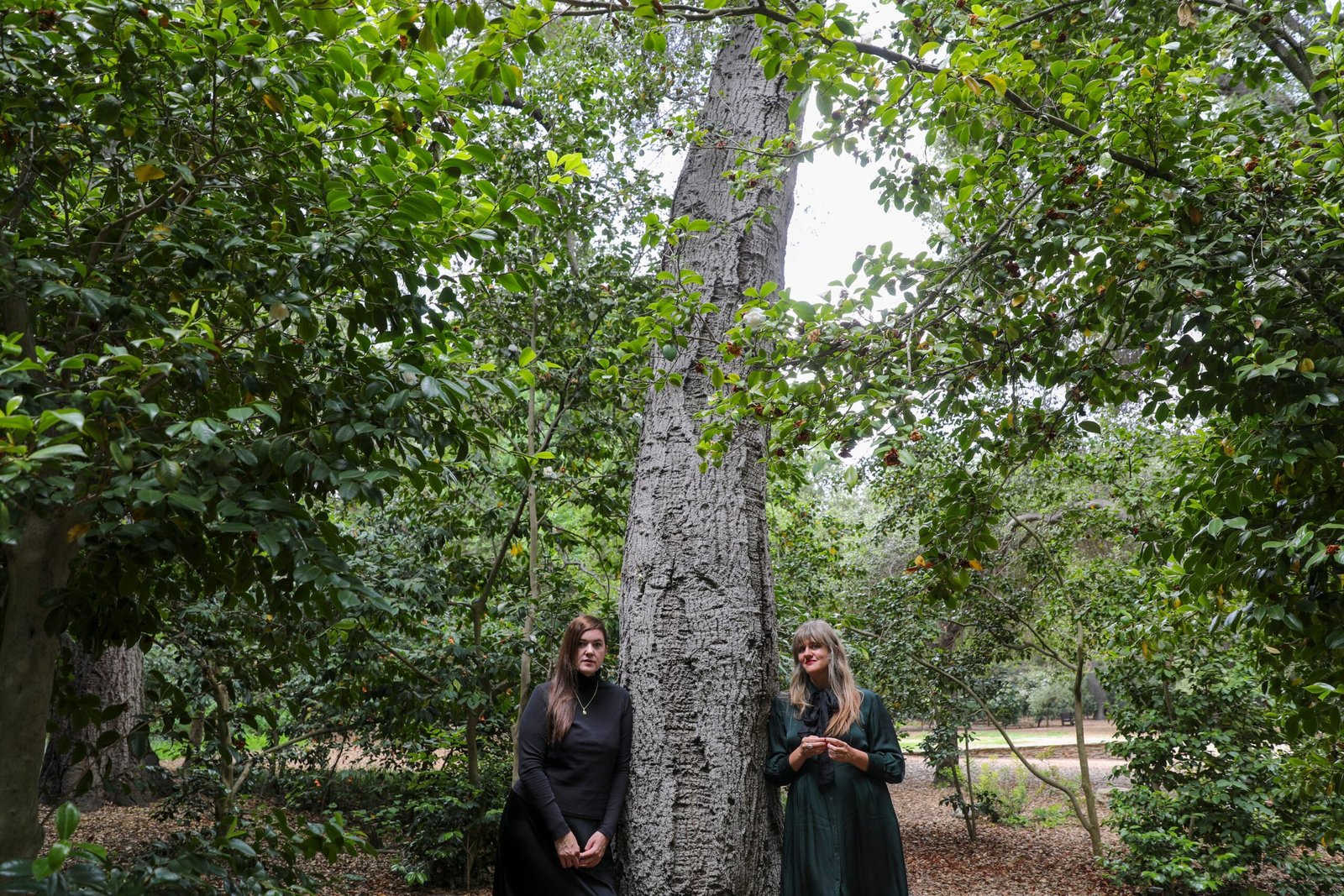
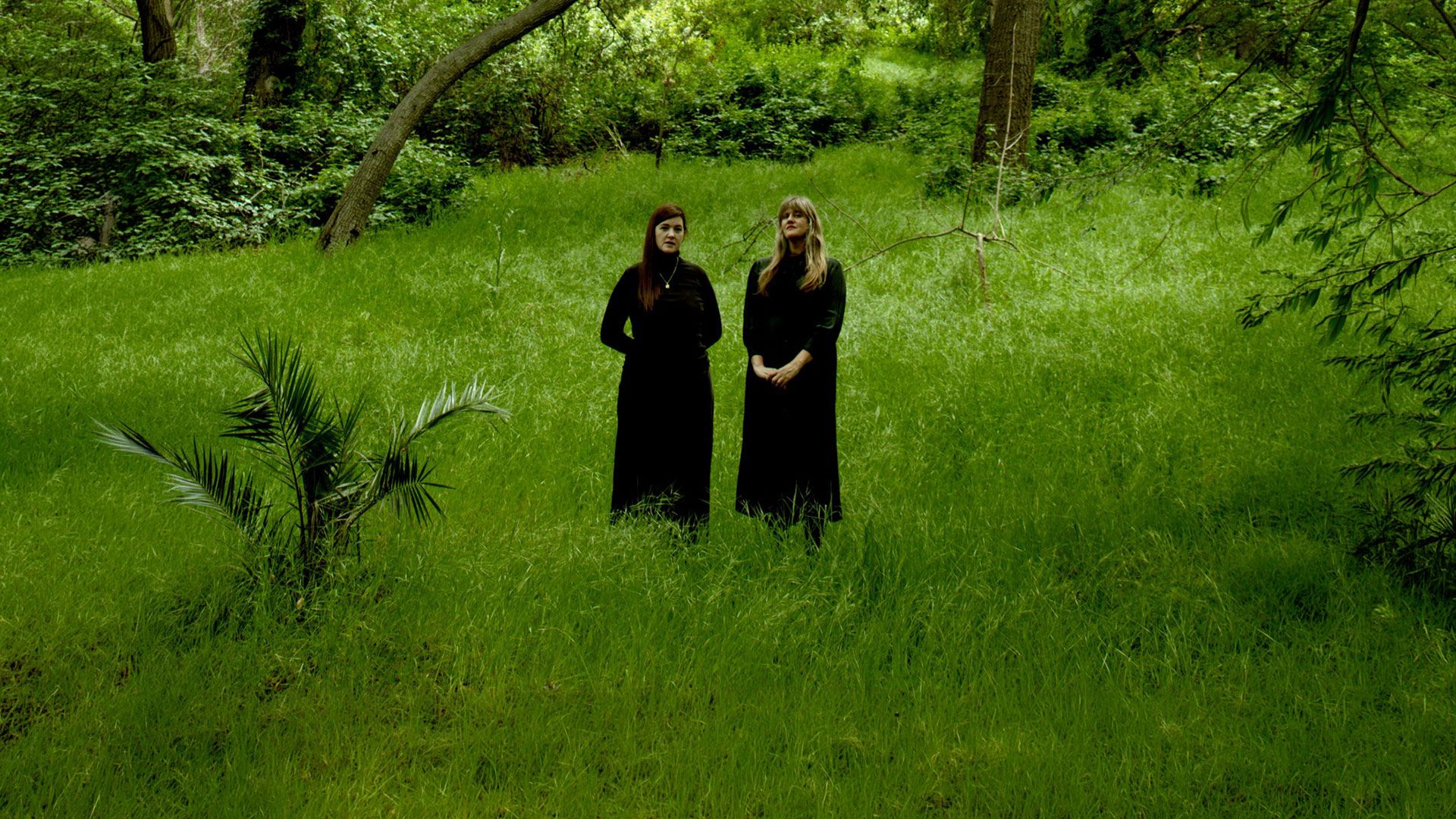
Julianna Barwick is a vocalist, producer and composer. Mary Lattimore is a harpist and composer. The two first connected when Lattimore wrote to Barwick as a fan out of the blue and subsequently contributed to one of the tracks on Barwick's 2020 record Healing Is a Miracle. On Threshold (Original Motion Picture Score) their practices have been brought together in the way that kintsugi brings together broken pieces: each piece retains its own character and the joins are where the light falls. It's a score for a documentary about cross country skier Jessie Diggins (four time Olympic medalist) and it comes as a single piece with the joins very much visible. It's out now on Florid Recordings & Blue Pool Recordings.
Kintsugi doesn't hide the break. That's the whole point of the score really. It's a very smooth blend of orchestral and electronic elements which allows the seams to be quite evident. It's a very slow burn with 16 themes and the titles that are about injury and strain (Sick And Tired, Burning The Candle, Death Is Imminent, Gold Metal Glory) are not in any way dramatised.
The gold seam kind of holds exactly where you’d expect a lesser score to give way. Pyeongchang, Ruka Race and Tour De Ski follow the competition calendar and the music still won’t sprint, which is fair enough really. Travel To Gallivare and Gallivare 10km are just slow breaths in the middle of all that. Even Press Zoom, which to me sounds like a camera closing in, and Cold Open, which sounds like a story starting up, sit in that same patient texture. I really like that it holds back like this, the score just trusts the skier’s movement to bring its own drama.
The collaboration is very much in evidence. Barwick's singing is in the smallest of touches, it's in the cracks like kintsugi. That's what makes it such a confident and complete collaboration. I keep coming back to those tiny vocal traces that appear and then disappear, like light catching the gold.
I do wish Barwick's voice had been more in the forefront. Her singing has always been the thing for me and it's very much in the background here. At times the calm pace means the sixteen themes just run together and you have to really listen to catch her beneath the surface of the orchestra. The emotional journey is there though. They're all in the bowl like old cracks filled with gold.
The listener who's going to love this is the one who listens to film scores as ambient music, the one who's already got Hiroshi Yoshimura, Stars of the Lid and the quieter side of Bing & Ruth in their rotation. Start with Worthy Of Love if you're after the emotional peak and then just let the whole record play whilst you're walking or on a very slow morning. Leave it alone if you're after songs, hooks and Barwick's voice as the main instrument.
In kintsugi the bowl which has been repaired holds water again because the gold fills every crack. That's the thought that comes to me as the album ends with Worthy Of Love and the room settles into its own quiet. The bowl is perfectly level on the table, its seams all gleaming and intact.