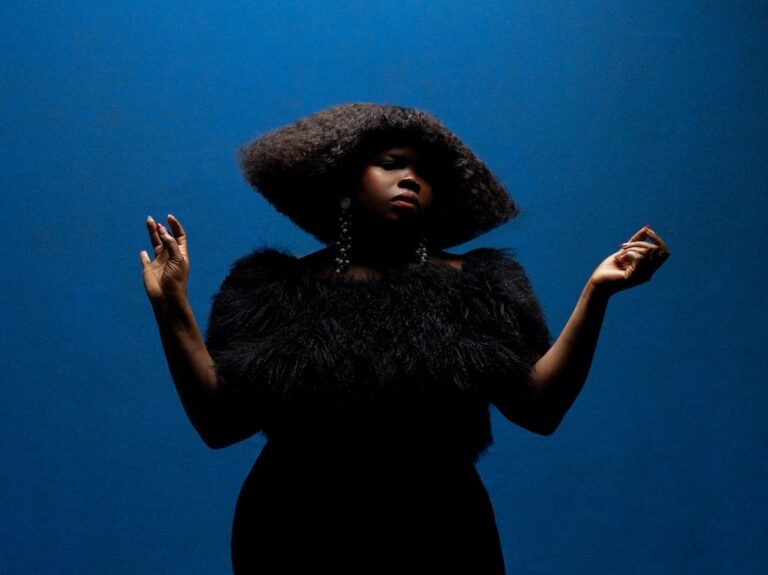
Produced again with Stuart Price, the 16-track album blends a continuous dance party with lyrical memories of New York’s underground—and a poignant comedown.
In a year when Paul McCartney and the Rolling Stones released some of their strongest late-career work, Madonna has joined them with Confessions II, her most focused album in two decades. It arrives after a trio of poorly received records had pushed her toward cultural irrelevance, but the 67-year-old does not chase a new trend. Instead, she returns to producer Stuart Price, who helmed 2005’s Confessions on a Dance Floor, and builds a sequel that works more like a one-hour DJ set than a track-by-track pop album.
The 16 seamless cuts favor a continuous, ecstatic pulse, with Madonna’s voice often gliding above Price’s production. The record is unusually autobiographical for an artist who has rarely looked backward. “Danceteria” sketches her pre-fame years alongside Basquiat, Maripol and Debi Mazar, while “The Test” features her daughter Lola Leon. Sabrina Carpenter’s turn on “Bring Your Love” feels less like a torch pass than a shared moment between two pop generations.
The emotional weight collects in “L.E.S. Girl,” a drum-machine-and-guitar lullaby that pulls the party into memory and loss. “Everything fades away,” Madonna sings at its close. The single-LP version omits that track and three other key songs, including “Betrayal”; only the double-LP deluxe edition preserves
Join the Club
Like this story? You’ll love our monthly newsletter.
Thank you for subscribing to the newsletter.
Oops. Something went wrong. Please try again later.

ROMBO Editorial Staff
The collective voice behind ROMBO Magazine’s news, reviews, features, and cultural coverage.