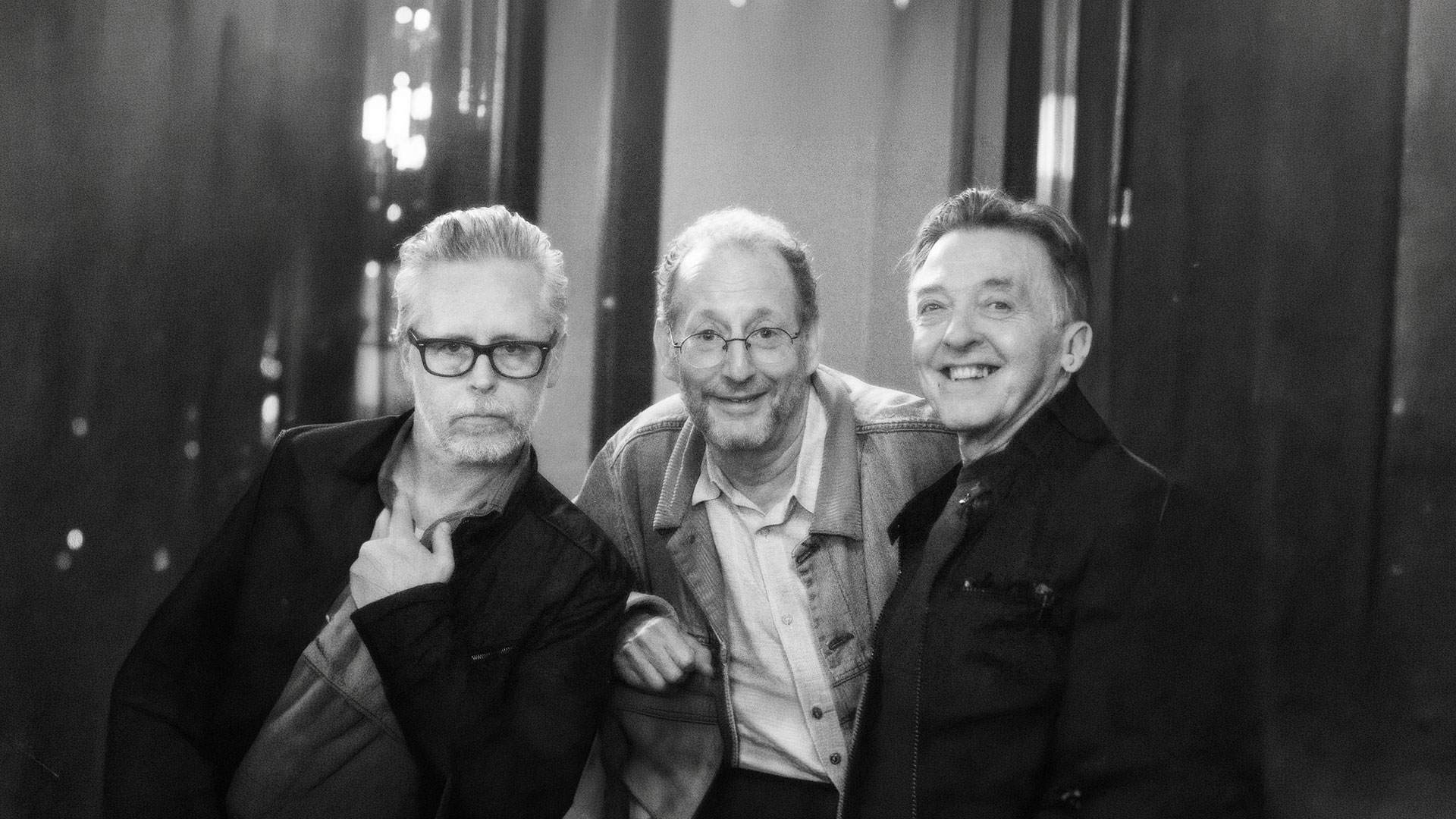
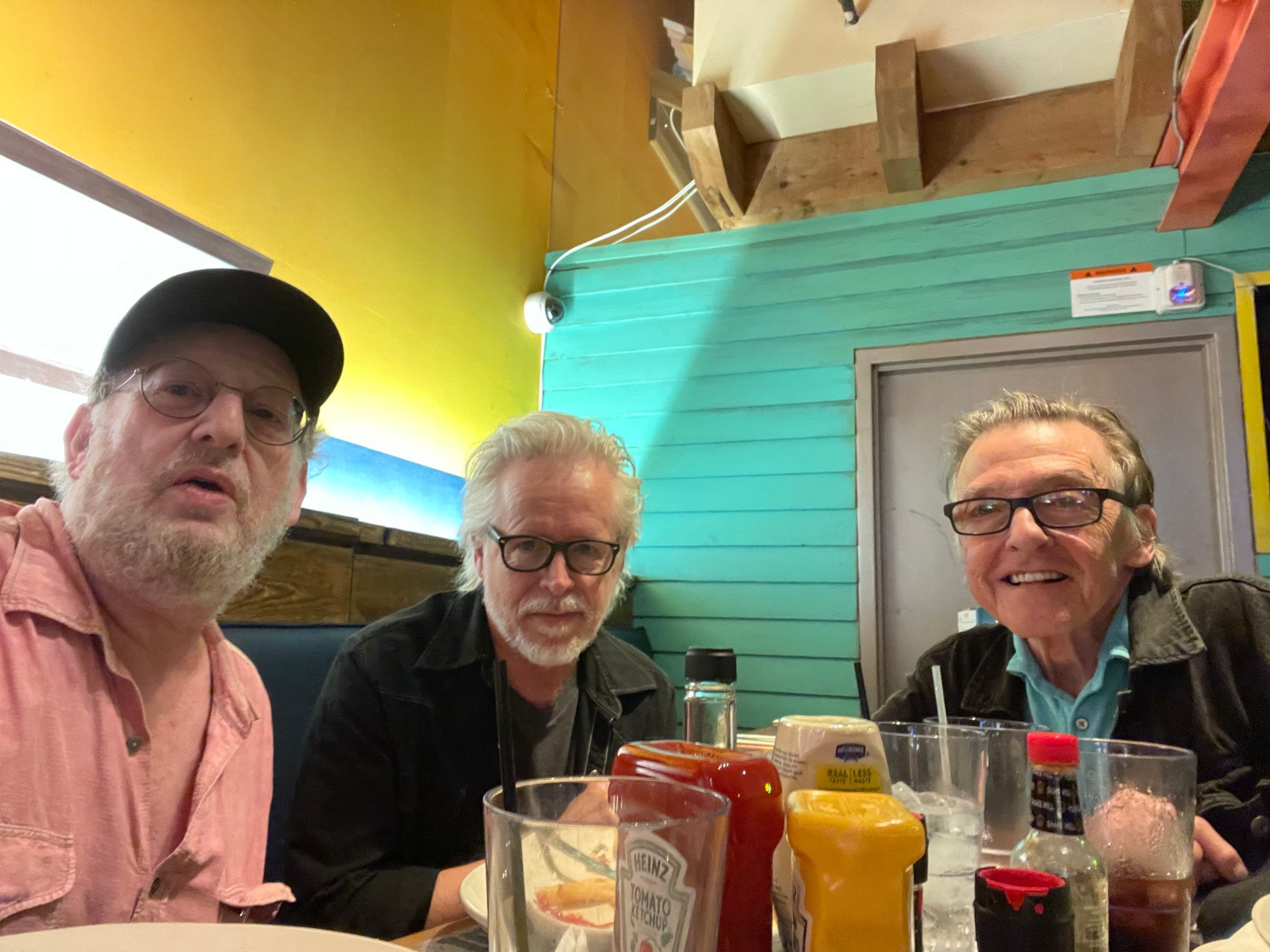
Joey Molland carried the long story of Badfinger from Liverpool and the Apple Records years into the decades he spent in Minnesota. He was the last surviving member of the band’s classic lineup. Phil Solem of The Rembrandts and singer-songwriter Jeff Miller met him in the Twin Cities, where a benefit arranged through Willie’s American Guitars turned into acoustic tours and a steady friendship. That friendship produced a twelve-song Chuck Berry tribute finished only months before Molland’s death in March 2025. “Johnny B. Goode,” the first single, came out on October 16 on Hygh Tension Records, distributed by Virgin Music Group, two days before what would have been Berry’s 100th birthday.

Somewhere past the edge of the solar system a copy of this song is already traveling. In 1977 NASA placed Chuck Berry’s original on the Voyager Golden Records, one of the few popular tracks chosen to stand for Earth. Ann Druyan, who helped choose the music, later described rock and roll as the music of motion, of heading somewhere you have never been with the odds against you. The song that left the planet is being sung again here, by one of the last voices shaped by the rock and roll Berry helped invent.
Berry wrote the song about a country boy from the Louisiana backwoods near New Orleans, raised in a log cabin. He never got far with reading or writing, but his guitar rings clear as a bell. He carries it in a sack down to the railroad track and strums in the shade to the rhythm of the passing trains, while engineers watch and passers-by stop to marvel at how he plays. Then his mother looks ahead: one day he will be a man leading his own band, crowds will come from miles around to hear him after sundown, and his name may end up in lights. The verses follow a concrete path out of rural poverty: a talent grown in isolation, noticed by strangers, then handed a future by the person who knows him best. The song is a map of ambition.
Molland’s voice holds that urgency with a rough, lived grain. The electric guitar drives the track with sharp double-stop lines and a pulse that keeps the railroad rhythm present. After the second chorus the arrangement gathers force, then breaks into a shout and a long central solo that feels like the moment the boy finally leaves the shade. Soft backing voices lift the later verses without softening the edge. The production stays close and physical, the instruments clear, the whole thing moving at the speed of the story.
The recording also carries the weight of the nearly fifteen years the three men spent on it and of Molland’s place as a friend of Berry’s daughter Ingrid Berry Clay. What remains is a voice that has already made its own long journey, from Edge Hill to Minnesota, returning the song to the ground it came from. The motion continues.