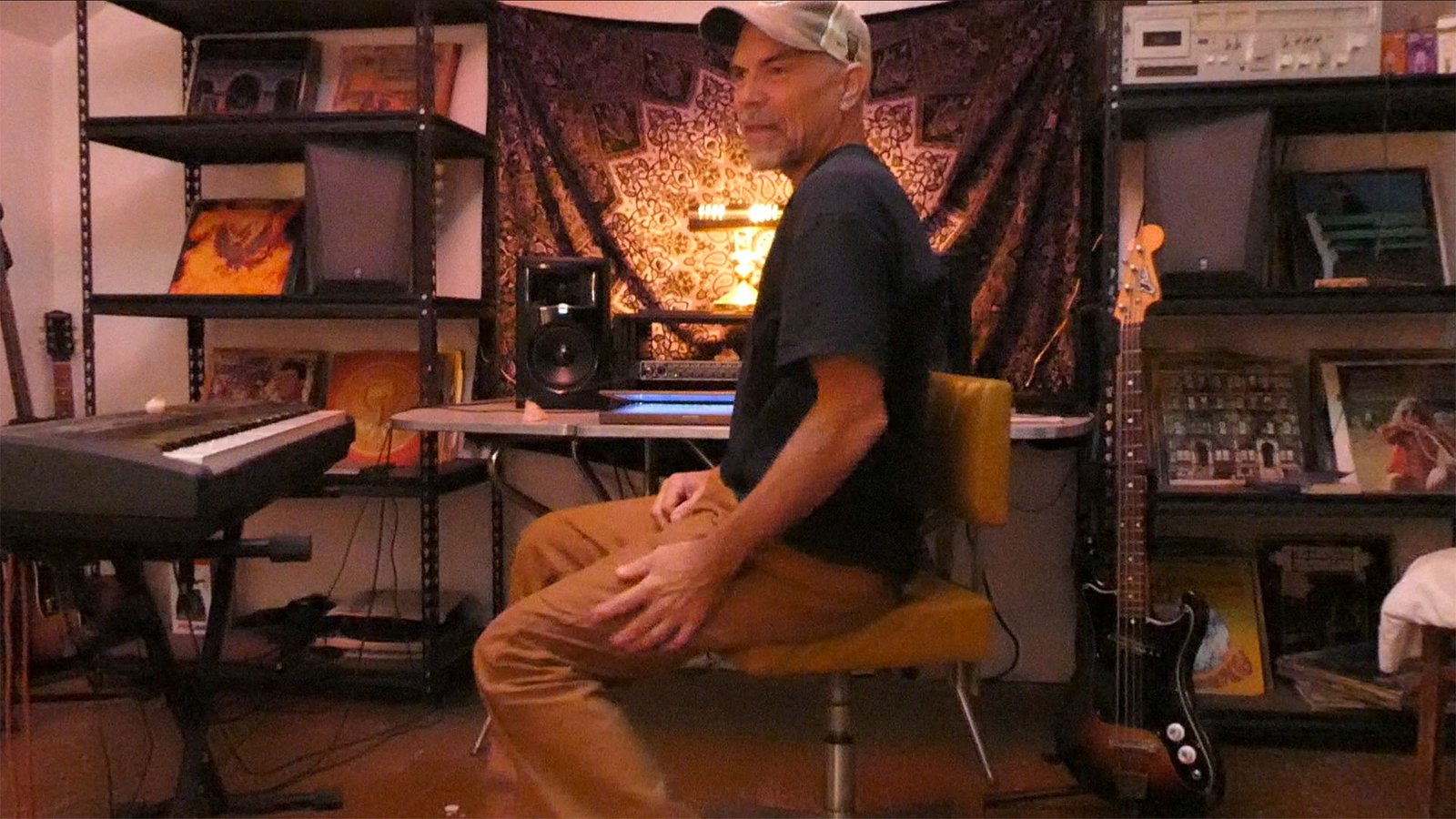
Drew Schueler has spent years treating songwriting and production as the same job. Nashville is the base. The catalog already includes the mini-album Vulnerable for Once, contest wins for This Is Where and Hurtable, and a co-write that landed on D.O.’s Somebody, a track that moved past fifty million streams and sold more than a quarter million physical copies. Rolling Stone UK named him an emerging artist to watch. The artist project has passed ten million streams. Narcissist is the first single from his forthcoming debut album, Death of Humanity, and it arrives with a sharper edge than the quieter material that came before it.

There is a particular kind of account that appears after a relationship ends. It is prepared in advance, shaped so that one person carries the diagnosis and the other carries the relief. The teller runs the lines until they sit cleanly. The friends receive a finished version. The person being described is usually somewhere else when the account is delivered. Narcissist lives inside that moment. It does not invent a new drama. It stays with the ordinary work of turning a shared mess into a story that travels better alone.

The verses place the listener on the other side of a closed door. “Separate rooms for the fourth straight night” and the “sliver of light” under it keep the distance concrete. The partner is up, working through the version that will be told later. “You got your story, you rehearse it line by line.” The song does not claim the singer is without fault. It says the opposite. “I’m not saying I’m not ever wrong.” What it refuses is the part where the other person needs the label more than the shared damage. “Say I need help like you don’t need the same.” The hook offers the title freely: “Go tell your friends I’m a narcissist / If that helps you out.” The line is not a confession. It is an acceptance of the role that has already been written for the audience outside the room.
The arrangement follows the same split. The verses sit on held synths and a restrained pulse, the kind of closed temperature that comes from nights spent in separate spaces. When the chorus arrives the bass pushes forward, the drums sit straight, and the guitars lock into a tighter groove that turns the resentment into something that can move. Background voices repeat “can’t believe you” like the reaction the rehearsed story is meant to produce. Before the final chorus the track drops almost everything. A rough, filtered tone is left, and the vocal sits bare on “Oh, act like you’re not a part of this.” Then the full rhythm returns for the last pass. The phrasing stays collected and almost resigned through the verses, then sharpens and climbs when the refusal surfaces. The sarcasm is clear. The weight underneath it stays in place.

What the track understands is the difference between owning a share of the damage and accepting the entire role the other person has prepared. Schueler keeps the song centered on that distinction. The production gives the sarcasm room to land without losing the domestic fact of the closed door and the light under it. Narcissist does not ask to be the final word on the relationship. It simply refuses to let the rehearsed version be the only one that leaves the house.