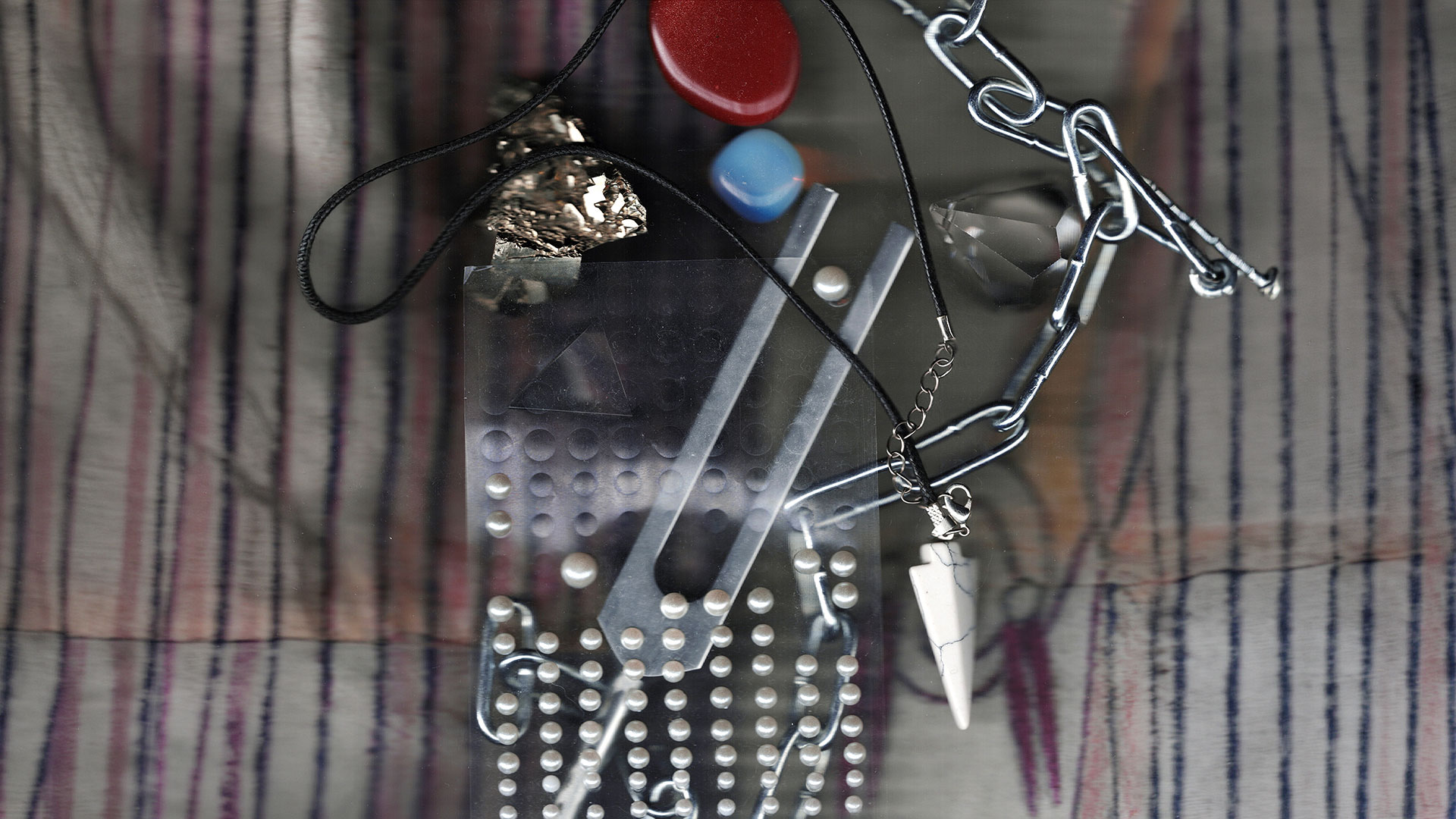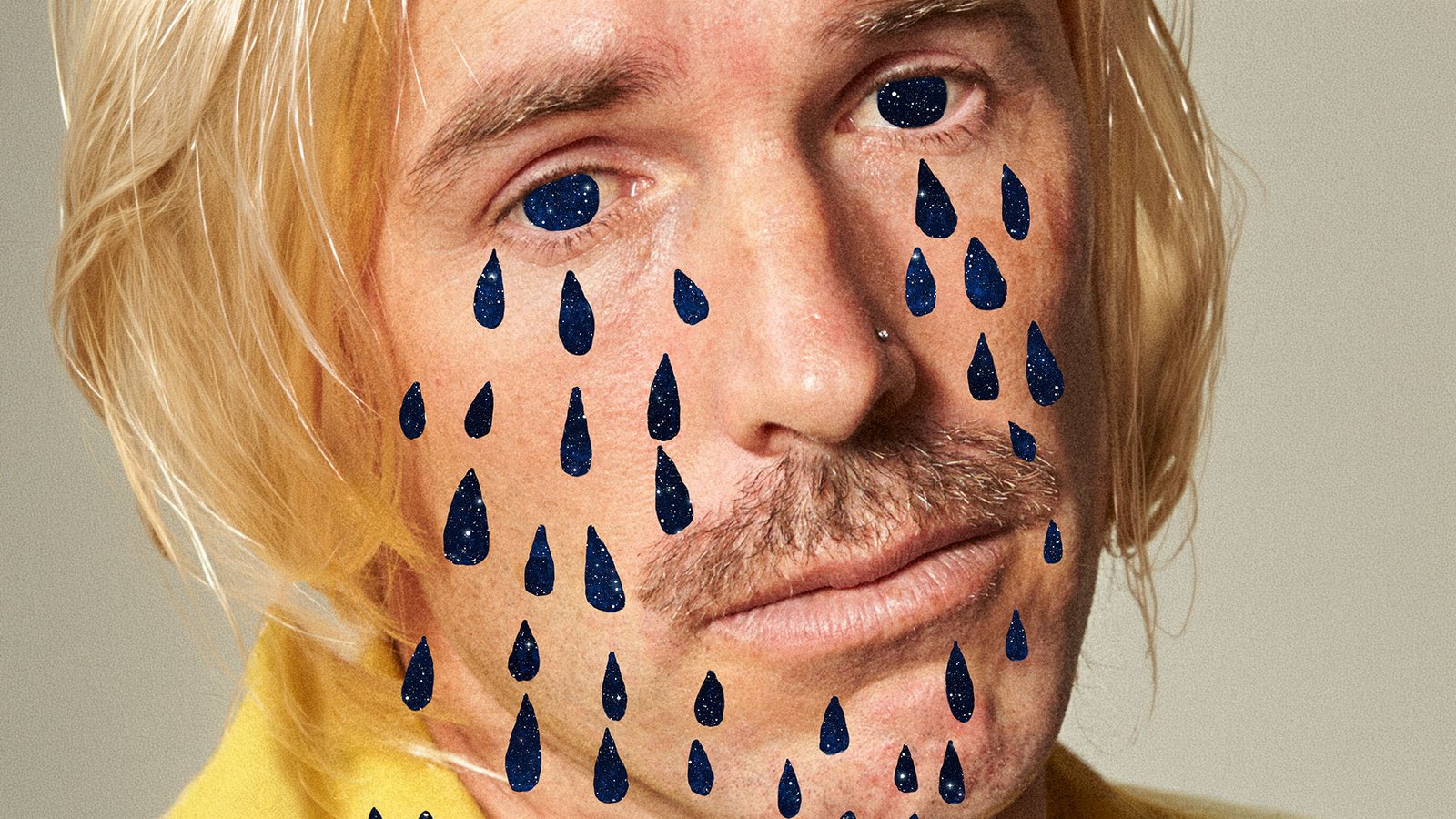
Mark Heffernan works under the name Pocket Lint from London. After the band Remodel ended he stepped away from music for a stretch, then returned in the summer of 2020 on a balcony with sandpaper and a piece of amethyst, teaching himself to carve cameos until the purple dust and sore hands sent him back into the studio. What followed was a run of releases that treated songs as vignettes and rooms: Themes for Silcaville, The Jet Age, and earlier this year the album Wunderkammer, a cabinet of curiosities in which each track functioned as its own exhibit, complete with invented objects and the sense that wonder could still be arranged, named, and held.
Picture a collector who has spent years sorting rare stones into labelled drawers. One morning he walks out to the shoreline and finds that the tide has moved every pebble overnight. He can choose one and paint it. He cannot stop the water from doing the same thing again tomorrow. That is the quiet turn this single makes. Seascapes begins where the cabinet ends, and There Are Things (over which we have no control) is the first step onto the wet sand.
The song names the problem without decoration. “There are always people with whom we disagree.” The line sits early and plain, the ordinary friction of shared life. What follows refuses the usual remedies. “Don’t fight against the tide, but struggles are allowed.” Then the older instruction, lifted from Voltaire and turned practical: “Cultivate your garden, take your head out of the shroud.” The garden is not metaphor for retreat. It is the one patch of ground still available for deliberate work when the larger currents will not be argued with. Later the same voice offers temporary marks: “Write a lot of letters, carve your name into the sand.” The name will not last. The letters might. Both gestures matter because they do not pretend to outlast the water.
The music keeps the same balance. A steady electronic pulse and low bass run underneath like the current itself, constant and indifferent to argument. Guitars, processed through parallel loops and different amplifiers, thicken the midrange without crowding it. Above that density the synths open a brighter line, clean and crystalline, the sound of light on water rather than any attempt to hold the water still. Heffernan’s delivery stays measured and close to speech, reverb giving the words a slight distance without softening their firmness. The lines arrive as notes taken after the fact, calm enough that the melody can carry the weight of each image.
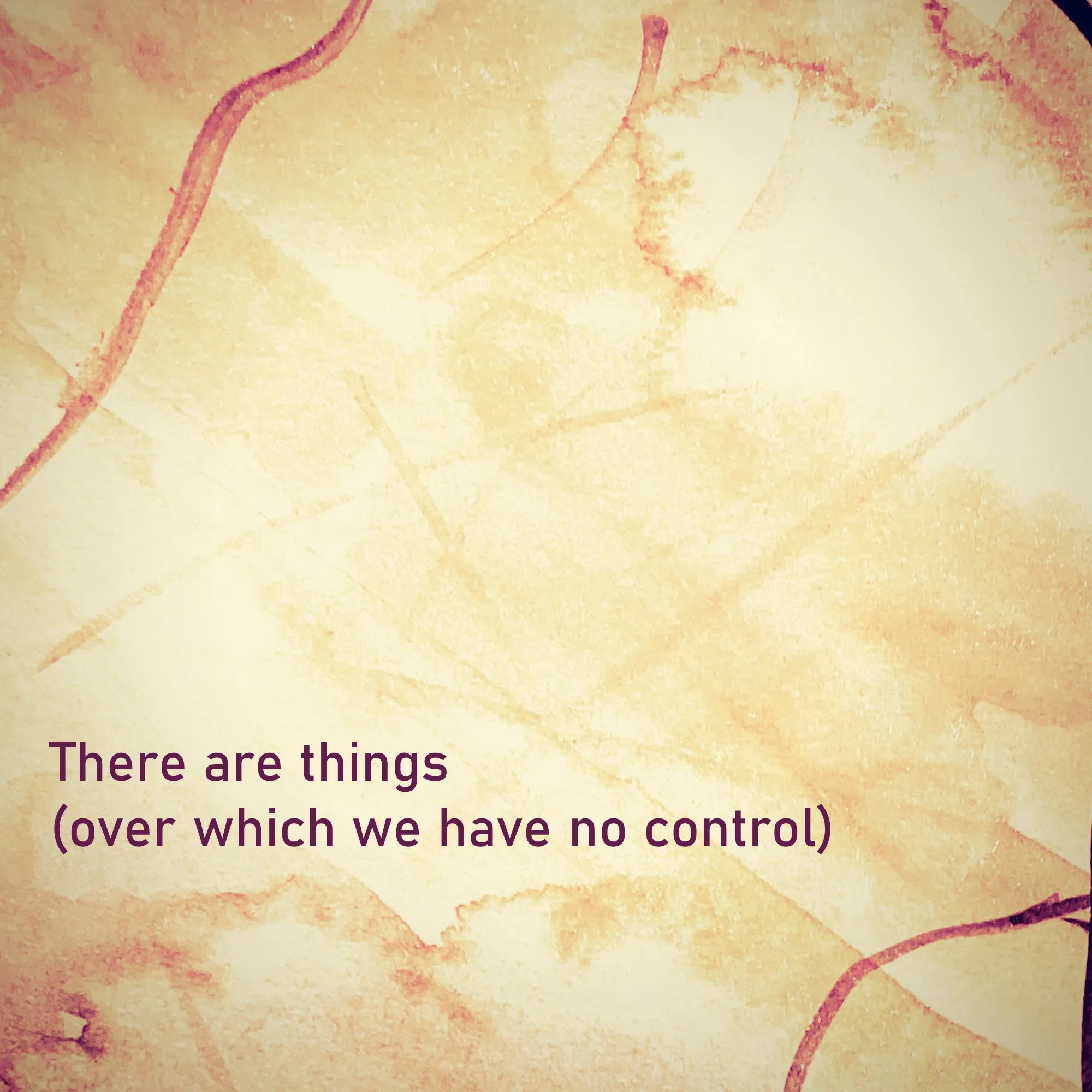
Near the end the pulse thins. The phrase “There are things we can’t” repeats, unfinished, until the rhythm has largely withdrawn. Only then, over the long held notes of the keyboards, does the final word arrive: control. It does not resolve the earlier tensions. It simply names the limit the rest of the song has already been living inside. The cover, a detail from a painting of a beach pebble, matches the same recognition. A pebble is the record of forces no one directs. It can still be chosen, looked at, and painted. Everything else keeps moving.
This is music with a clear sense of identity and purpose. Pocket Lint has left the room where objects could still be arranged and walked out to the place where the sea returns questions instead of answers. There Are Things (over which we have no control) holds that shift with precision, letting the acceptance sit in the open rather than wrapping it in drama. The single earns attention through detail, pacing, and the quiet decision to stop fighting the current and tend the garden that remains.