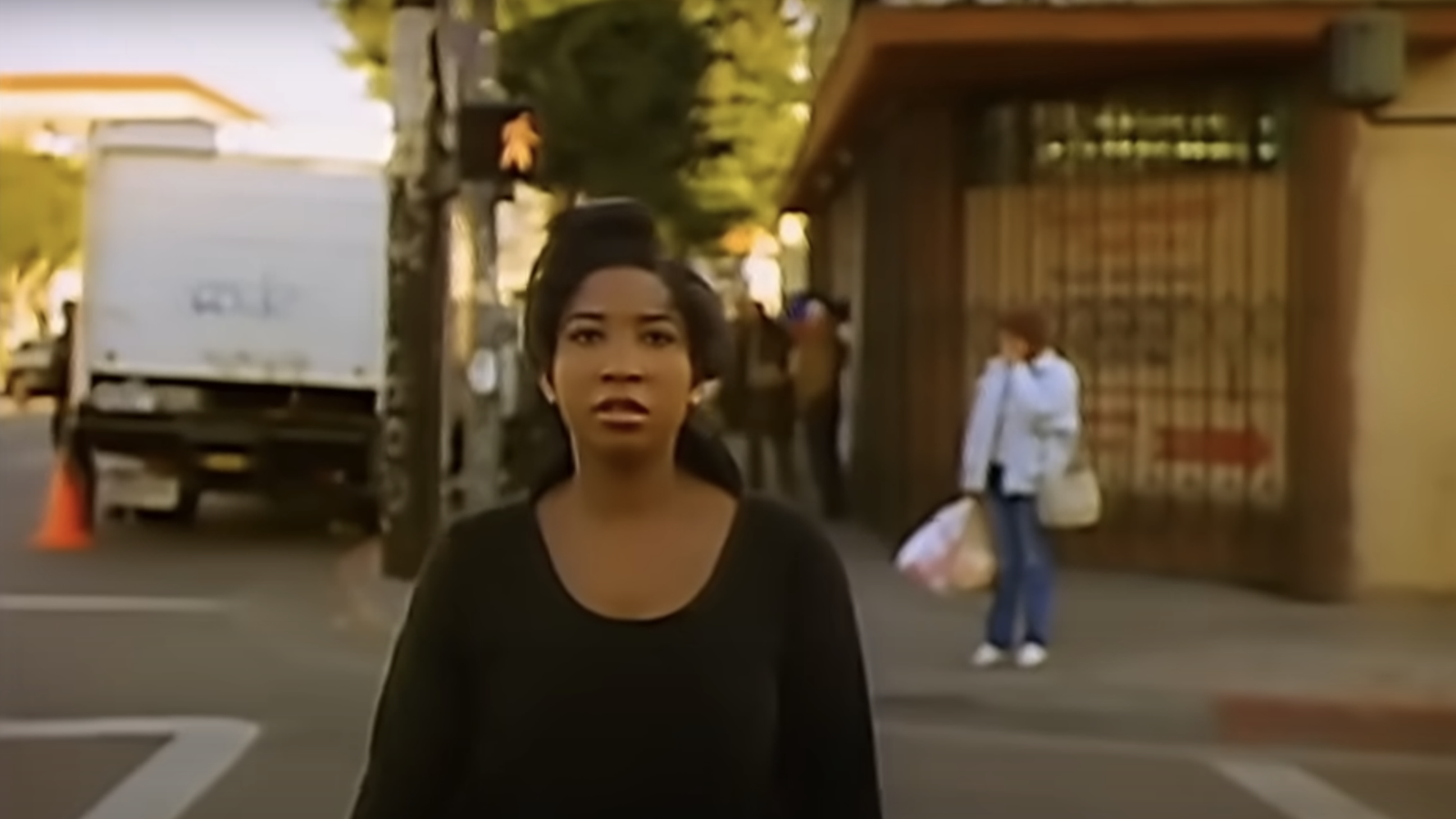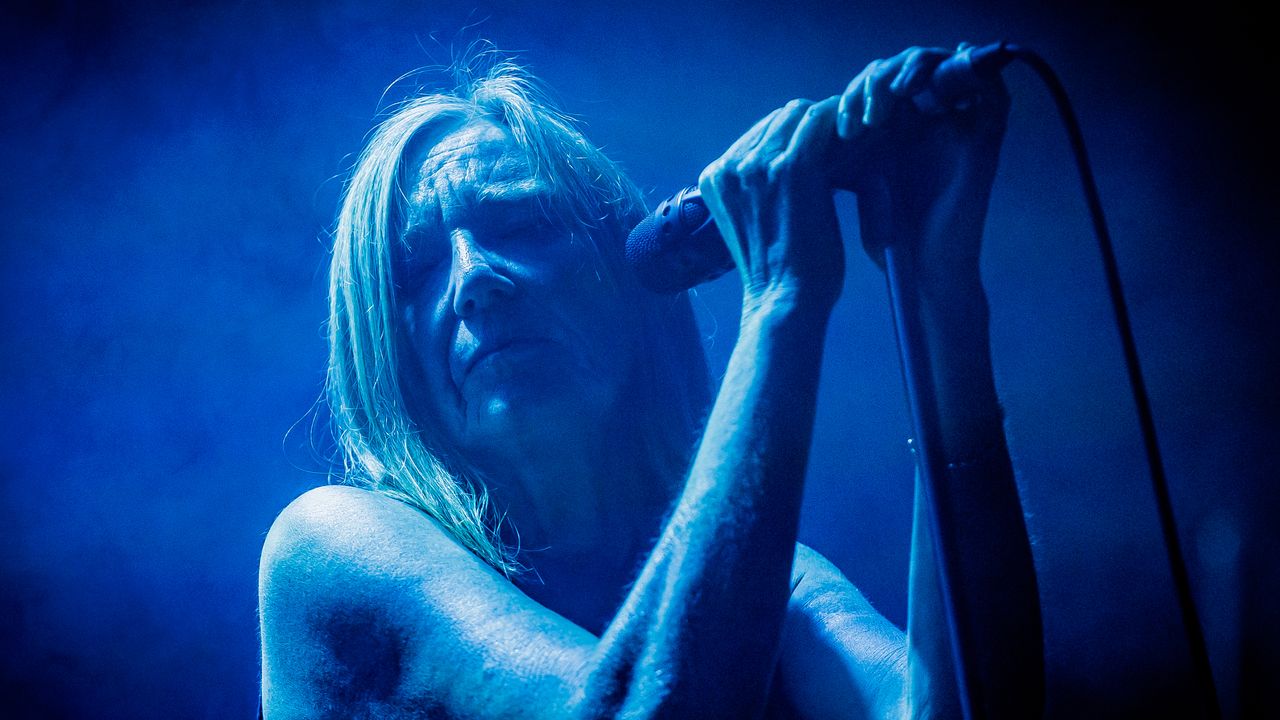
Portishead's three studio albums have vanished from Apple Music and Spotify in Israel, and the No Music for Genocide campaign has claimed the band as a participant. The removal was reported by Haaretz and dated to earlier this month; the campaign said in an Instagram story that Portishead had joined and that there would be "much more news very soon." The band itself has said nothing publicly about the disappearance.
The gap is specific. Compilation tracks and other releases remain available, as do Beth Gibbons' solo records and Geoff Barrow's work with Beak>, according to Haaretz. What left is the core catalog, the three albums that made the trio's name. That pattern matters more than a blanket takedown would: it points at a decision about the band's own recordings, not at anything a distributor or platform did wholesale.
Portishead have been loud on this ground for years. In 2018 they used Facebook to argue for boycotting Israel over its occupation of Palestine. In September 2025 they reunited to pre-record "Roads" for the Together for Palestine fundraising concert in London, and Barrow wrote on Instagram that the band had "desperately wanted to be involved to put our voice to help end the Ongoing Genocide that is taking place right now." Their previous performance had been a 2022 War Child benefit for Ukraine. The song they chose for London is the same one that sits on their own YouTube channel, a slow, exposed thing built on a beat and a guitar figure that leaves nowhere to hide; hearing it as a gesture, not a single, is the correct frame now.
No Music for Genocide launched last year and has gathered a wide roster, among them Massive Attack, Björk and MJ Lenderman. Portishead's catalog is small enough that its absence registers as an event, not a rounding error, and the campaign's method, geo-blocking, not picketing, puts the pressure on licensing desks and platform metadata, the unglamorous machinery where a political position either holds or leaks. For a band that has released three albums in three decades, withdrawal is a form of presence. ROMBO's Portishead coverage tracks a group whose scarcity has always been part of the argument.