The casting of a Japanese temple bell begins with clay and ends with a note that hangs in the air for a full minute. A foundry team builds a mould in layers, then pours molten bronze into the void at a temperature hot enough to keep the metal liquid. The bell cools for days, and only then does a monk strike the rim with a suspended wooden beam. What follows is a bloom of overtones, a low fundamental that keeps sounding after the striker has been pulled away. The bell's body is tuned by shaving metal from the inside, a slow adjustment that asks the ear to trust the hand's blind work.
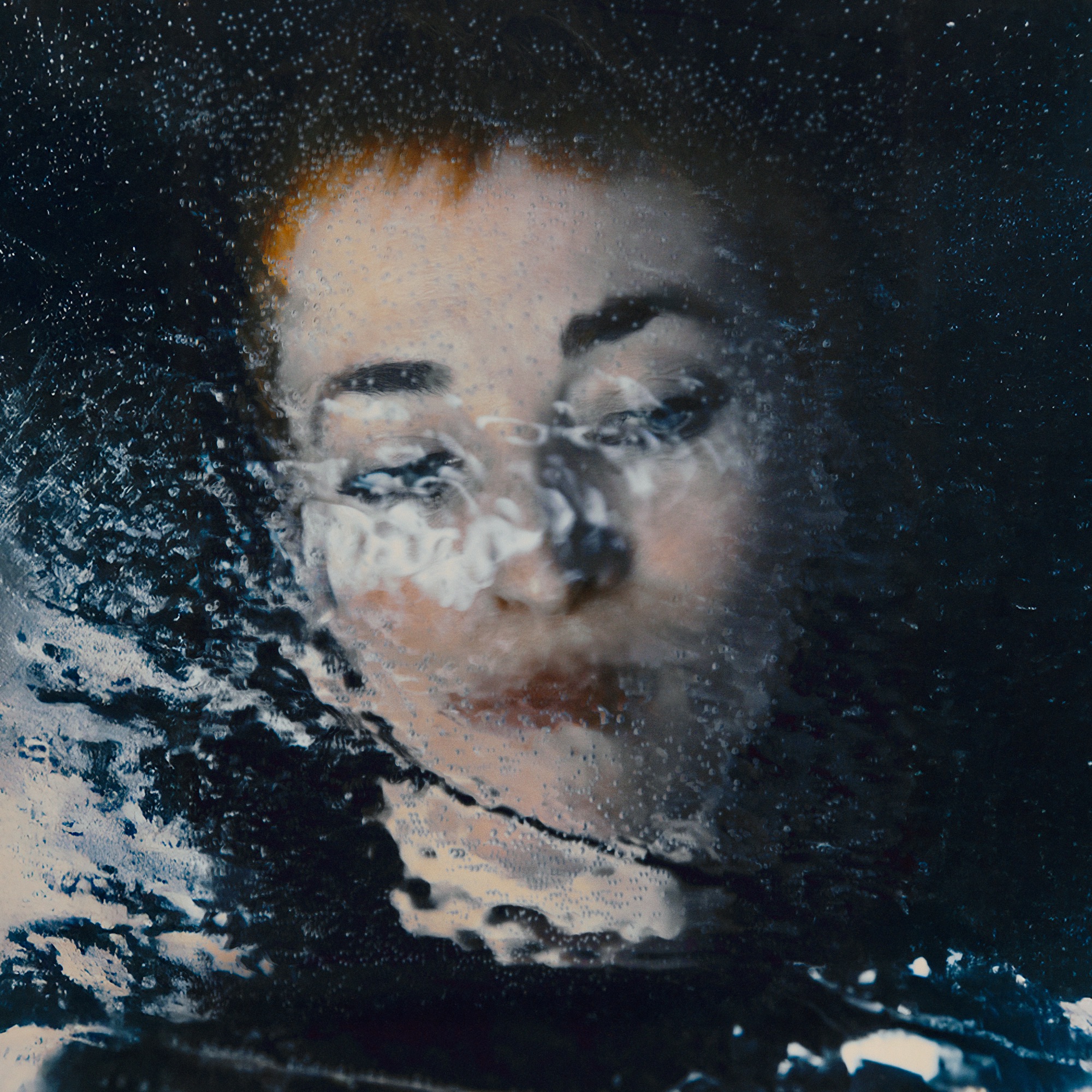
Radie Peat has spent years inside a different kind of resonance. As one voice in the Irish group Lankum, she learned how a drone can make a room feel larger than it is. Her first album under her own name, No Human Tongue Can Tell, out now on Rough Trade, applies that lesson to a set of songs she gathered from several writers. In the liner notes she has said she only noticed the record's theme of women's struggle after narrowing her selections, and that her own tastes and capabilities set limits on which songs she picked. A collection of her own writing arrives at the same time, evidence that the solo step has been long in the making. John 'Spud' Murphy produced the record, and Eleanor Myler plays drums, but the centre of gravity is Peat's chest-rooted alto, an instrument as physical as any bellows or bow.
I think a record this slow is a kind of resistance. The album asks for a listener who will stay through long silences and unhurried ornamentation, the way a bell ringer waits for the sound to return from the far wall. What it represents, in a scene where folk revivalism often leans on brisk reels and communal singalongs, is a quieter claim: that a woman's voice, a low piano note, and a breathing reed drone can hold a room without percussion or apology. The theme of women's struggle emerges as a fact of the songs themselves: a suitor's rebuke in Hares on The Mountain; the fatal promise of Still I Love Him. I hear the bell's after-ring in the way Peat lets a phrase end and then lets the space answer.
In Hares on The Mountain, Peat sings "Oh Sally my dear, it's you I'd be kissing" against a low, resonant piano chord, and the reply, "She smiled and replied, you don't know what you're missing," lands with a dry, knowing weight. She draws on the version Shirley Collins recorded, but I hear less pastoral warmth and more foreboding. The bass notes walk slowly downward after that line, and I keep returning to the way the rebuke hangs in the dark. Dark Horse on The Wind goes further: a single reed drone stays put while Peat stretches the image of a body growing thin into a piercing, nasal crest, every breath audible in the close microphone. That is the album's core sound, a human voice pushing against an unchanging tone, and it is cold enough to make a listener stop scrolling.
Yet the record does have moments of movement. The Moon and Stars is the most straightforward folk-rock moment, with a heavy drumbeat and acoustic strum behind the close harmonies. When Peat sings "You promised me the moon and stars", the line rises over a swelling drone, and the accusation turns bitter; the word "behind" in the next line falls with a heavy finality. I love how the weight of the promise and the lightness of the betrayal sit side by side in that melody. Same Old Man is different: a brisk banjo ostinato cycles under a plainspoken vignette of a woman hanging out the wash in a mackintosh, and the long, keening vocal stretches each line over the drone. The cyclical plucking mirrors the unchanging routine, and I keep hearing the image of the mackintosh as a kind of amour against the rain. In between, Willow Garden retreats to glacial electric guitar arpeggios and Luisne drifts without a pulse; they feel like breaths between movements.
Still I Love Him begins with Peat's voice alone, then a harmonium chord swells underneath, and the promise of love feels as grave as a funeral vow. Bonnie Boy multiplies Peat's voice through a harmonizer until a single confession becomes an eerie choir of one, the phrase about vowing and protesting stretching into a warm, haunted chord. The album closes with Cailín Deas, a solo concertina air where every button click and bellows wheeze is left in the dry recording. It is the most intimate piece here, and I think its refusal to rush gives it a quiet gravity.
I love this record most in a quiet room with the lights low and the rest of the world shut out, a headphone record for late walks or long train rides. The listener who will love it already knows the strange power of a slow drone from Lankum, or from the solo work of Lisa O'Neill, or from the smaller voice of Ye Vagabonds. Start with Hares on The Mountain for the starkest introduction, then go straight to The Moon and Stars if you need a pulse. Leave it alone if you want choruses or quick payoffs; this music gives you one long bell tone and trusts you to wait for the overtones.
Bell founders know that the final tuning happens only after the metal has cooled and the mould has been broken away. The shaving of a few grams inside the rim changes the whole character of the sound, and the ear only detects that adjustment when the bell is struck again. I keep thinking of that hidden labour when Cailín Deas resolves into its low, solemn chord, the concertina's note hanging in the dry air. Radie Peat has cast a bell of old songs, and it rings long after the striker has been pulled away.