The former Verve frontman returns to a city that shaped him, trading cosmic sprawl for a direct, anthemic connection.
Richard Ashcroft knows what a Glasgow crowd means. Standing in the sold out OVO Hydro, he didn’t need to summon a distant mystique. He spoke instead about early gigs at the Barrowlands, about the struggle for acceptance in a city that demands authenticity. This wasn’t a show about revisiting past glory. It was about acknowledging a debt.
Ashcroft’s performance carried that understanding. The set leaned into the direct, anthemic force of his solo work and The Verve’s most defining hits. The sound was clean, muscular, built for the scale of the room. The psychedelic sprawl that once defined his band’s recordings was pared back, leaving the songwriting骨架 exposed and sturdy.
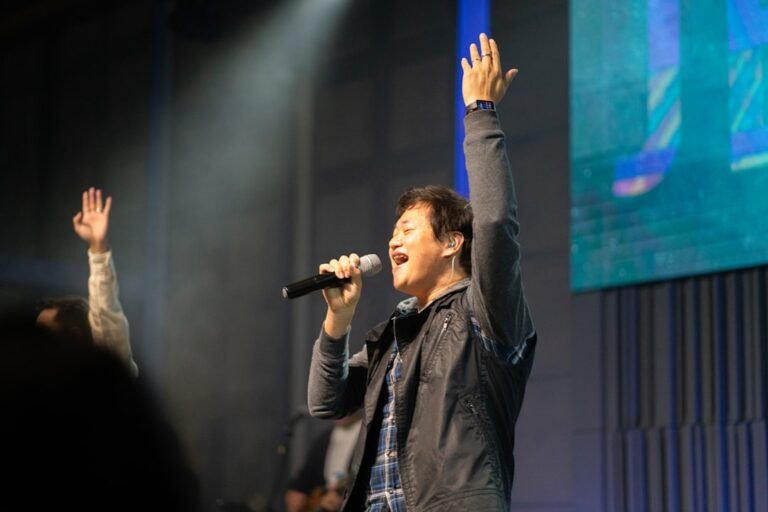
There is a specific gravity to Ashcroft on stage. His movement is minimal, a slight sway, his voice a weathered instrument that has traded some of its old range for a grounded, declarative power. He doesn’t attempt to recreate the studio. He reaffirms the songs as communal events, as proven structures built to hold a crowd’s energy.
Playing Glasgow at this level, years after those formative Barrowlands nights, completes a circuit. The connection he mentioned working for is now a given, a silent contract that allows the performance to feel like a conversation rather than a declaration. The hymns are shared, the lyrics shouted back as collective memory.
This show underlined Ashcroft’s current position. He operates not as a nostalgia act, but as a keeper of a certain kind of British songcraft, one built on emotional scale and melodic certainty. In Glasgow, a city that remembers, that role felt both earned and necessary. The acceptance, once hard won, now feels like home.
Join the Club
Like this story? You’ll love our monthly newsletter.
Thank you for subscribing to the newsletter.
Oops. Something went wrong. Please try again later.

ROMBO Editorial Staff
The collective voice behind ROMBO Magazine’s news, reviews, features, and cultural coverage.