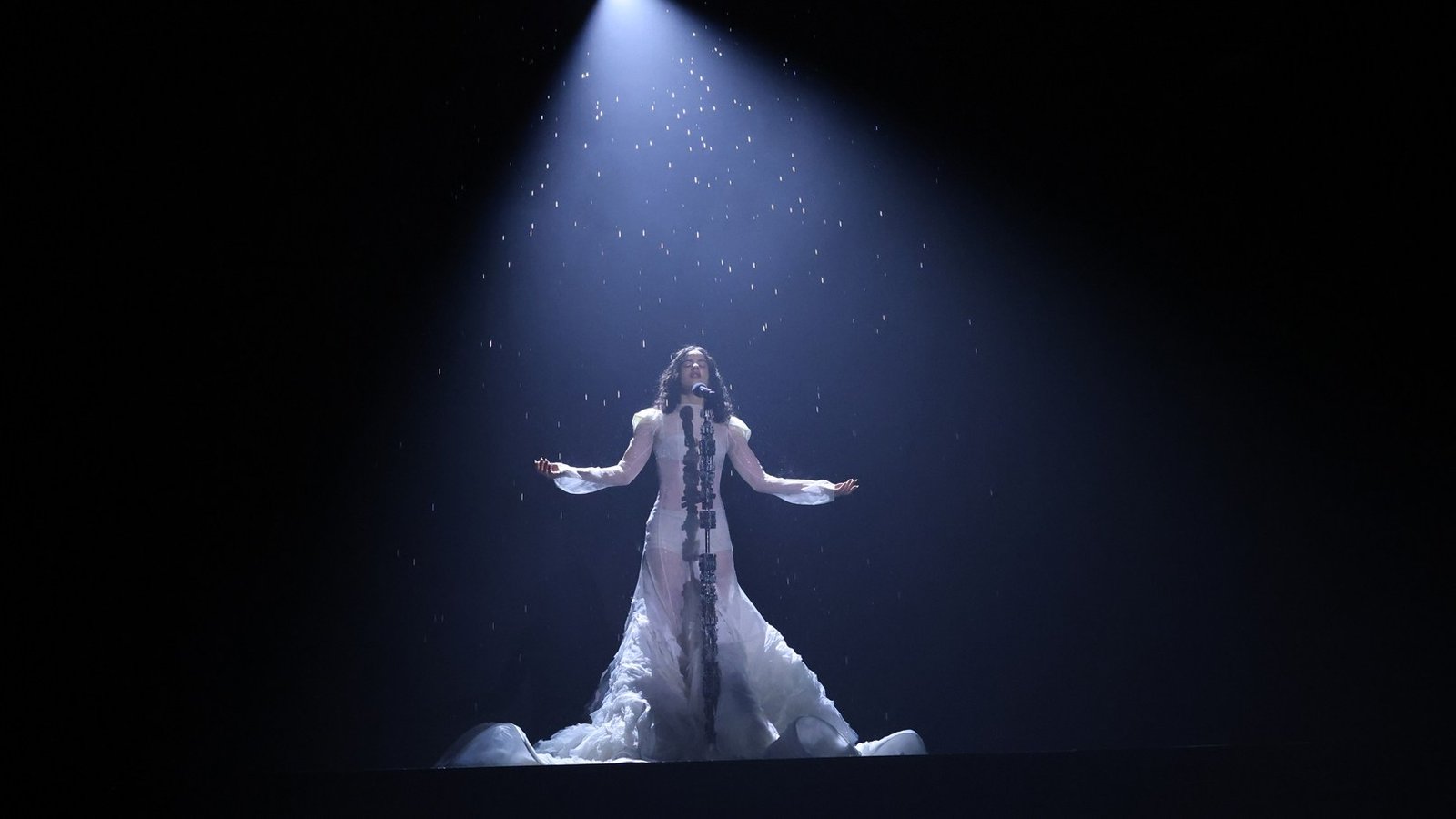
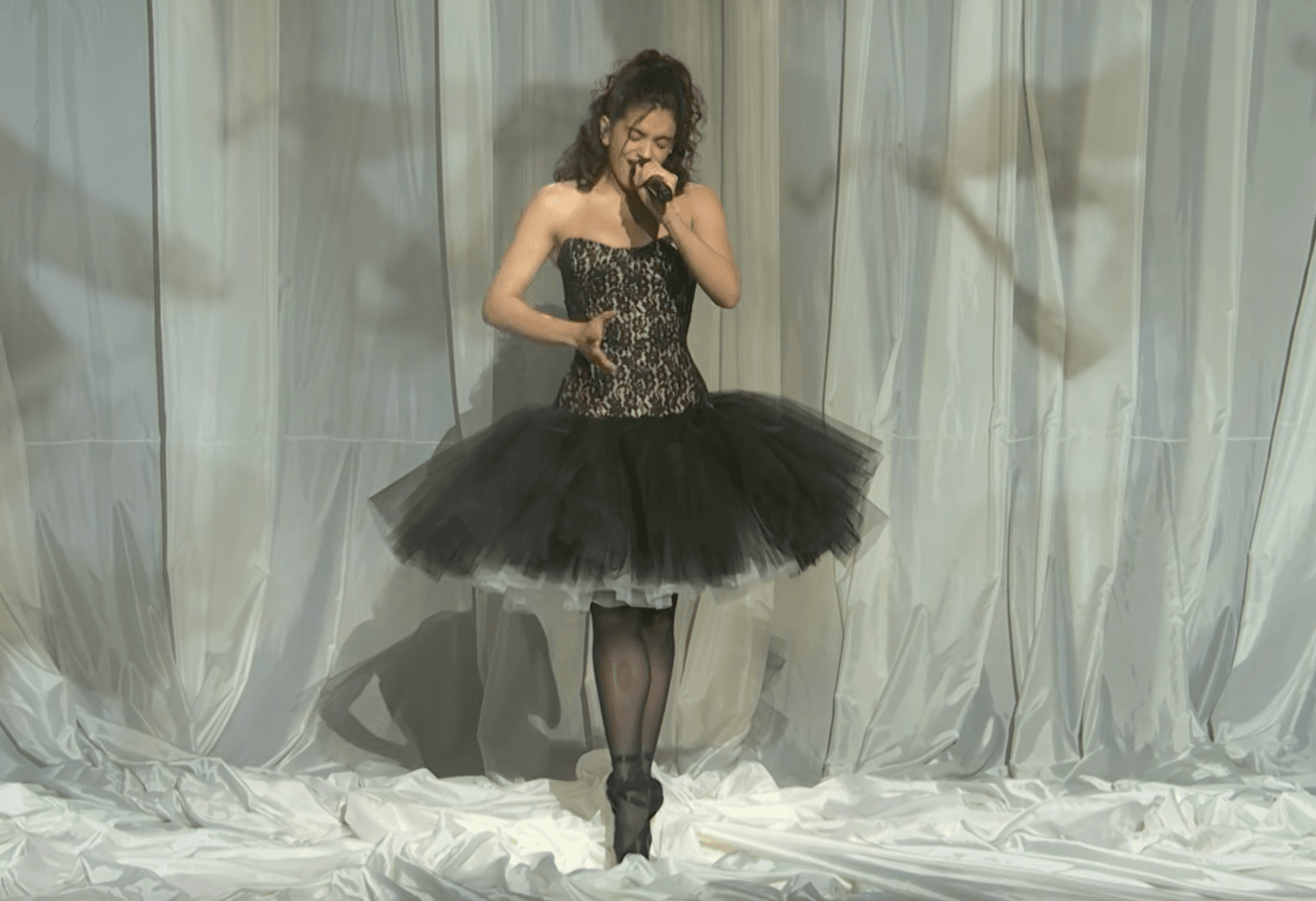
A teenage Rosalía once walked the Santiago de Compostela pilgrimage and, as the story goes, asked for a life in music. Those images resurface as she brings LUX to London’s O2 Arena, a show built from medieval devotional art and older myths. The performance aired the album’s core concern: female saints and the visual languages that have carried their stories across centuries.
Onstage, references arrived without announcement. A tableau recalled Goya’s brushwork, a gesture mirrored Da Vinci’s composition, and the lighting seemed to quote Hellenistic marble. The staging treated the O2 not as a pop cathedral but as a space where historical weight could sit alongside crisp production. It felt curated rather than bombastic.
Addressing a British crowd in Spanish and Catalan, small frictions surfaced. Pacing shifted, certain call-and-response moments landed differently than they might in Barcelona or Madrid. These weren’t failures; they simply revealed the particular shape of an artist moving between cultural registers without a safety net. The non-Anglo sensibility wasn’t a barrier so much as the texture of the night.
The LUX project channels Rosalía’s long fascination with sacred female figures. Rather than modernising them, she lets their ambiguity stand. On a London stage, that choice held steady. The show offered no easy resolution, only a dense set of images and sounds that asked for attention on their own terms.