The Sydney duo’s debut album treats the after-hours city like an old carnival rule, a place where the name can wait outside.
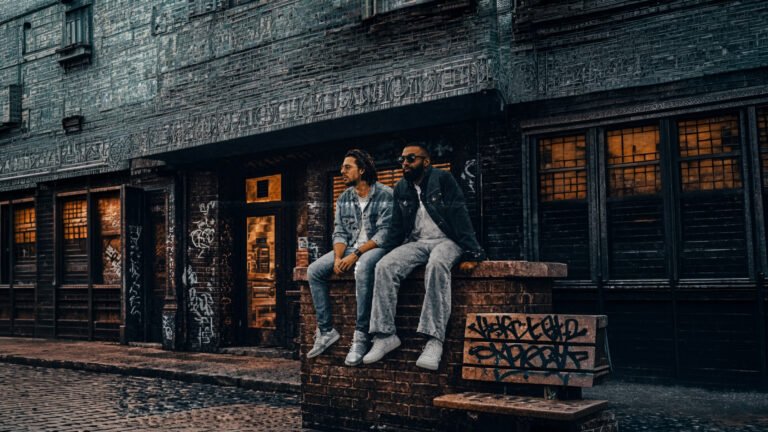
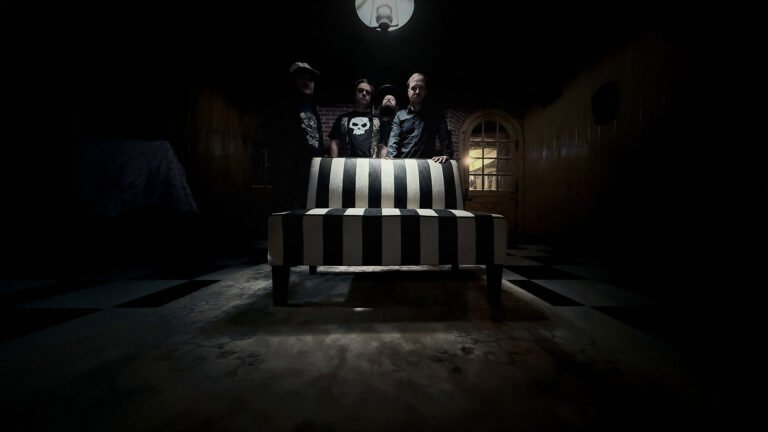
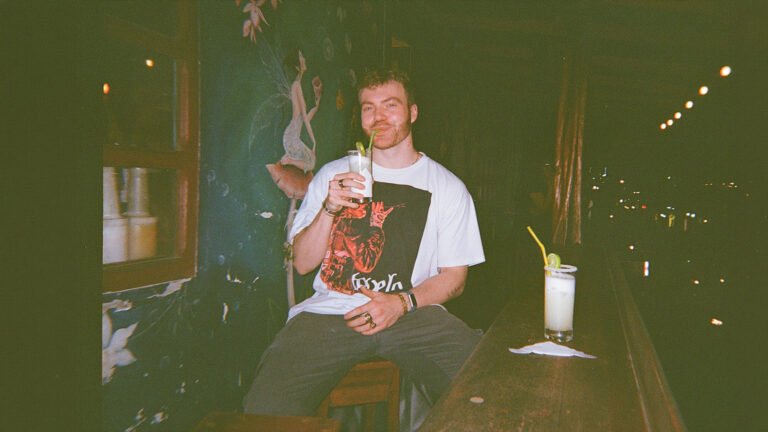
Segana arrive at a debut with a long single life already behind them. Blair Djuna, the name Derrick Attwood records under, and Josh Paltoo met at JMC Academy in Sydney, both through a Bachelor of Music in songwriting, both raised in New South Wales. The project’s first public cut, Forget You, landed in 2018 and is still the song most people find first. Mercy and Fever Dreams followed in 2023, Angel Eyes and Freak on the Dance Floor in 2024, Swingin Sixties in 2025. Midnight Masquerade, out 28 August 2026 and issued in their own names, is the record those years were walking toward.
In eighteenth-century Venice, the carnival mask was less a costume than a short-term change in the rules. For a stretch of the season, a citizen could move through theatres, gaming rooms and alleys in the white bauta and a black cloak, and the city agreed to treat the covered face as enough. Rank did not vanish. It simply had to wait at the door. A conversation could happen that daylight would have sorted by surname. The pleasure, and the risk, lived in that delay.
Midnight Masquerade borrows the same civic trick and sets it to a Sydney night drive. Ten songs, synths pressed forward, voices paced rather than spilled. The album keeps asking what a person will say once the name is no longer the first thing in the room. Djuna and Paltoo have called their own aim bold, eccentric, still pop. The record earns that description when the mask is doing structural work, and thins out when a song only wears the costume.
Earth to Mercury opens with the foot already down. Distorted guitars, a hammering kit, a bass that will not sit still, and a chorus built to be shouted back: lightning on the feet, gravity refused. The lyric runs on adrenaline, moths, medicine, a morning exit. It is a clean opener, theatrical in the way mid-2000s pop-punk understood theatre, and it sets speed before the album has earned secrecy. How Could They Know is the correction. The tempo drops, the bass turns round and almost disco, the synths take the neon, and the title becomes a chant. A woman walks the block. Lines blur. Someone is changing, and the chorus refuses to explain her. The question is the arrangement. Asked often enough, it stops being a hook and starts being the room.
Swingin Sixties is the crudest mask on the record, and the most fun to argue with. The title points at one decade. The riff lives in another, closer to hard rock swagger than to any Mod dancefloor. Cigarettes, a fast car, city smoke, lipstick, a one-way ticket. Paltoo and Djuna play the borrowed rebel straight, voices rough, drums on the strong beats, no synth safety net. Inside a masquerade that gesture makes sense. A mask is allowed to be someone else’s decade. Heard alone, the song leans on images that rock has already spent. It still moves. It just moves in a costume you can see the seams on.
Then the room gets smaller. You’re the One clears the distortion and sits in bright 1980s synth pop, gated snare, a synth bass that holds rather than pushes. The lyric is a plain vow, velvet eyes, heart to heart, the night asked to deliver the singer back to one person. After the chase songs, the plainness is the point. Dancing in the Rain keeps the decade and raises the weather. Thunder, a flood, a world described as sinking, and a saxophone solo that could have been pasted on from a playlist and somehow is not. The solo works because the song has already decided that romance and bad weather are the same event. Lightning strikes. They dance anyway. For a duo built on control, this is the track that lets the arrangement blush.
Feels Like Heaven and To Be a Believer push the night toward confession, then toward the floor. The first is pop-punk with the lights up, skies alive, a paradise the singer half admits might be a lie. The second opens like a cheer and stays there, two-step instructions, a voice going out of its mind, the word believer repeated until it becomes a step. Both songs understand repetition as a kind of faith. Say the promise enough times and the body starts to agree. Believe, sequenced late, is the crack in that method. The guitars pull back into something tighter and more worried. The vocal sounds tired of its own certainty. Covering what you felt, telling lies, failing to look at yourself. After so many tracks about becoming a believer, this one asks what belief is worth if it cannot survive the morning name.
The title track is where the Venice rule finally gets its own song. A steady four-on-the-floor, a bass line with old disco manners, verses kept close to a whisper, a chorus that opens the door. Flashes from the street. The only place you want to be. The kind of thing you see in dreams. Nobody has to sign the feeling. Cherry Crush then sends everyone back into the sugar, tongue-tied, milkshake-sweet, hotter than the heartbreak it is already courting. Closing on a crush after Believe is a strange order if you want catharsis last. A masquerade rarely ends on the apology. It ends when the lights change and someone is still dancing.
What gives Midnight Masquerade weight is that delay between the face and the name. Segana can swerve from pop-punk rush to funk bass to hard-rock costume to sax-lit rain without losing the night, because the concept is broad enough to hold the costume changes. The best songs, How Could They Know, Dancing in the Rain, Believe, the title track, use the mask as permission. The lesser ones only borrow the outfit. Even then, the debut has a clear sense of where it wants the listener to stand: inside the room, surname left at the door, for as long as the song will allow it.
Follow Segana
Midnight Masquerade is out now.
Listen: Spotify · SoundCloud
Join the Club
Like this story? You’ll love our monthly newsletter.
Thank you for subscribing to the newsletter.
Oops. Something went wrong. Please try again later.

ROMBO Editorial Staff
The collective voice behind ROMBO Magazine’s news, reviews, features, and cultural coverage.