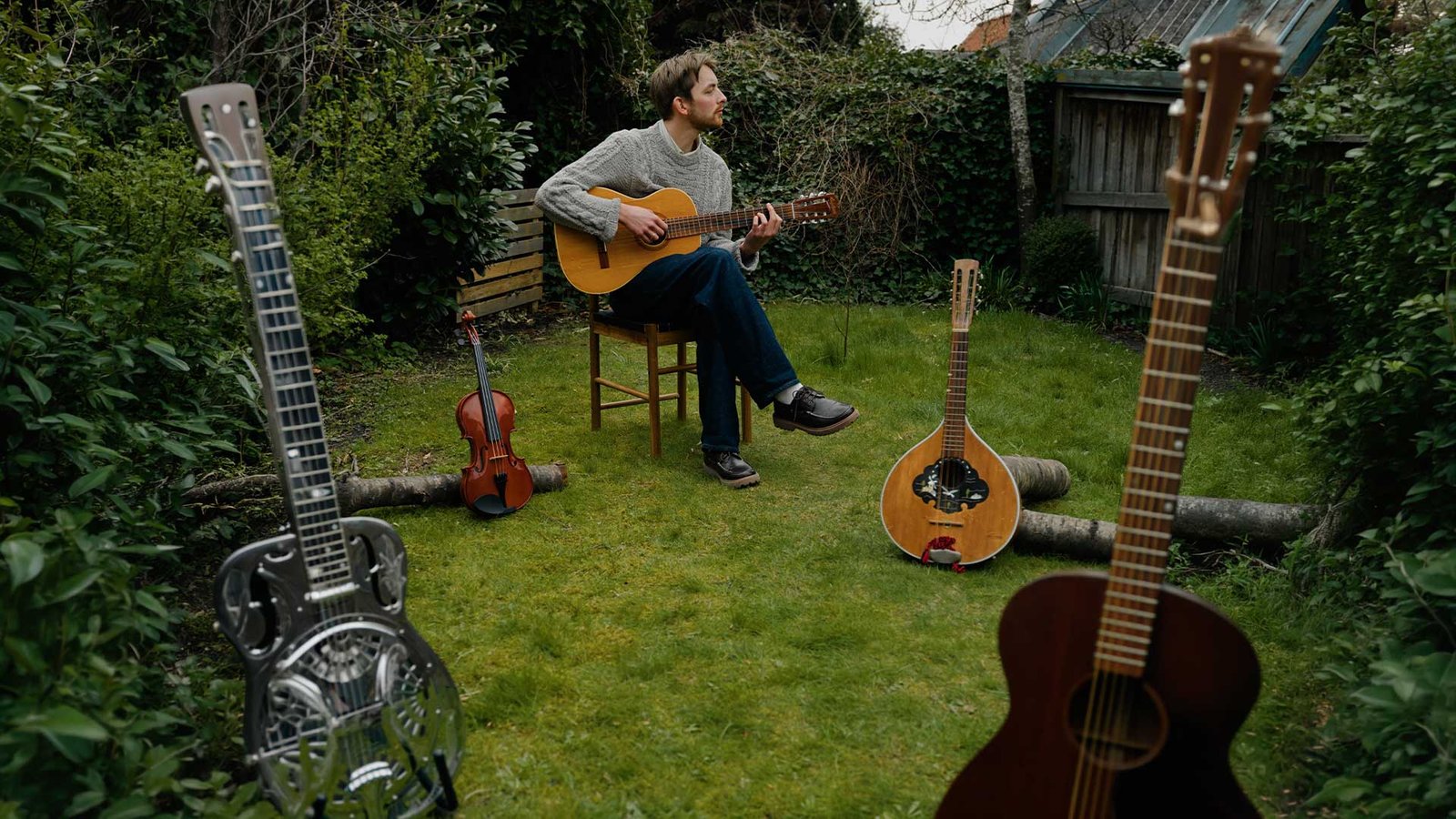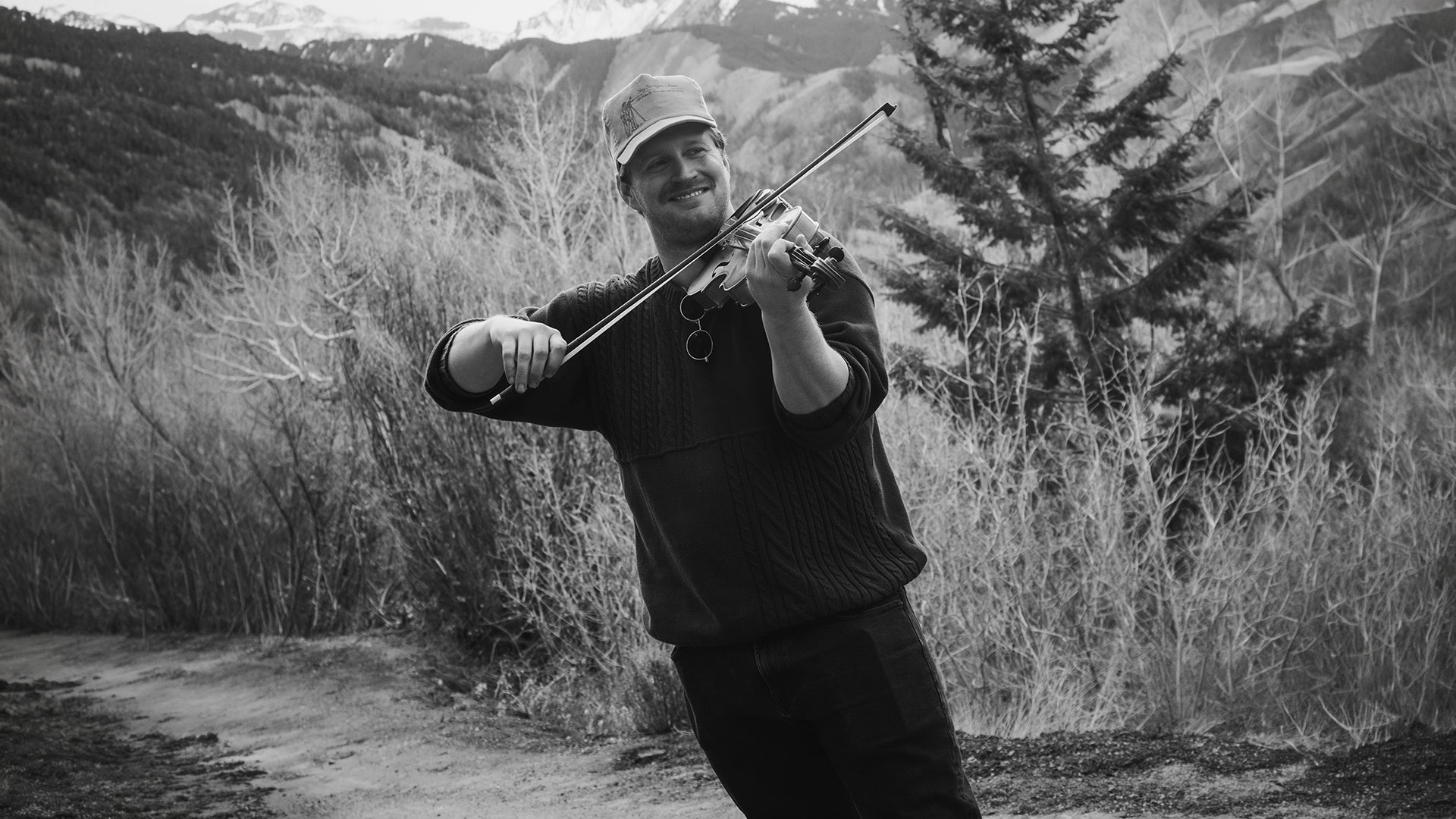
Payton Andrews records as Smells Like Rain from a house in Austin that he and his brother moved into to fulfill a childhood plan of starting a band. The instruments around him carry their own histories. A baby grand piano arrived as a gift from a friend who runs a music school. A cello came from a generous neighbor. The violin was the last major gift his father gave him. Andrews came up through classical training, the discipline of Bach and Barber, before a stretch of touring with Kohanna opened a freer path into folk and Americana writing. On Lullaby No. 15: Gabriela he handled every part himself, writing, playing, recording, and producing the track at home beneath a blanket draped over the piano.

There is a particular kind of still life that appears in certain American paintings and photographs of modest kitchens. A few coins on a table. A dish of butter. A jar of jam. The objects are ordinary, almost generous in their smallness, yet they register as evidence rather than abundance. They mark what remains after the larger promise has been measured and found wanting. Smells Like Rain places exactly that inventory inside a lullaby.
The song opens by addressing Gabriela directly. He sees her walking tall and tells her she really shouldn’t fake it when her back is against the wall. Let your shoulders fall, he asks. The request is tender and specific. It names the fatigue of performing strength for other people, the mask worn so that friends and family will not have to watch the internal weather. Only after that personal address does the song widen to the condition surrounding them. Is this the life they promised to us with outstretched hands? A pocket full of nickels, some butter and some jam. The lines land without flourish. They turn the lullaby into a quiet accounting of economic precarity, job insecurity, and the gap between what was offered and what arrives.
The arrangement keeps the room small. A steady acoustic guitar arpeggio sets a warm, close temperature. Violin and cello move between lyrical lines and lower, heavier figures. When the nickels appear, the low strings enter with a rough weight that makes the material pressure audible before the texture opens again into a wider melodic embrace. The voice stays near. It confides rather than declares. Warm and slightly veiled, it offers the lines about not needing an answer or a call, only that she notice and try to understand. After a denser passage in the strings, the texture thins. The voice repeats “You’re not alone” until the final “My little sunshine” rises into a fragile falsetto that hangs briefly and dissolves.
What gives the track its weight is the way it holds the personal request and the social inventory in the same intimate space. Andrews has spoken of learning that the opposite of depression is expression, and of the need for community and empathy when high costs and political unrest press in. The song practices that recognition without demanding performance in return. It simply stays present while the shoulders are allowed to drop.