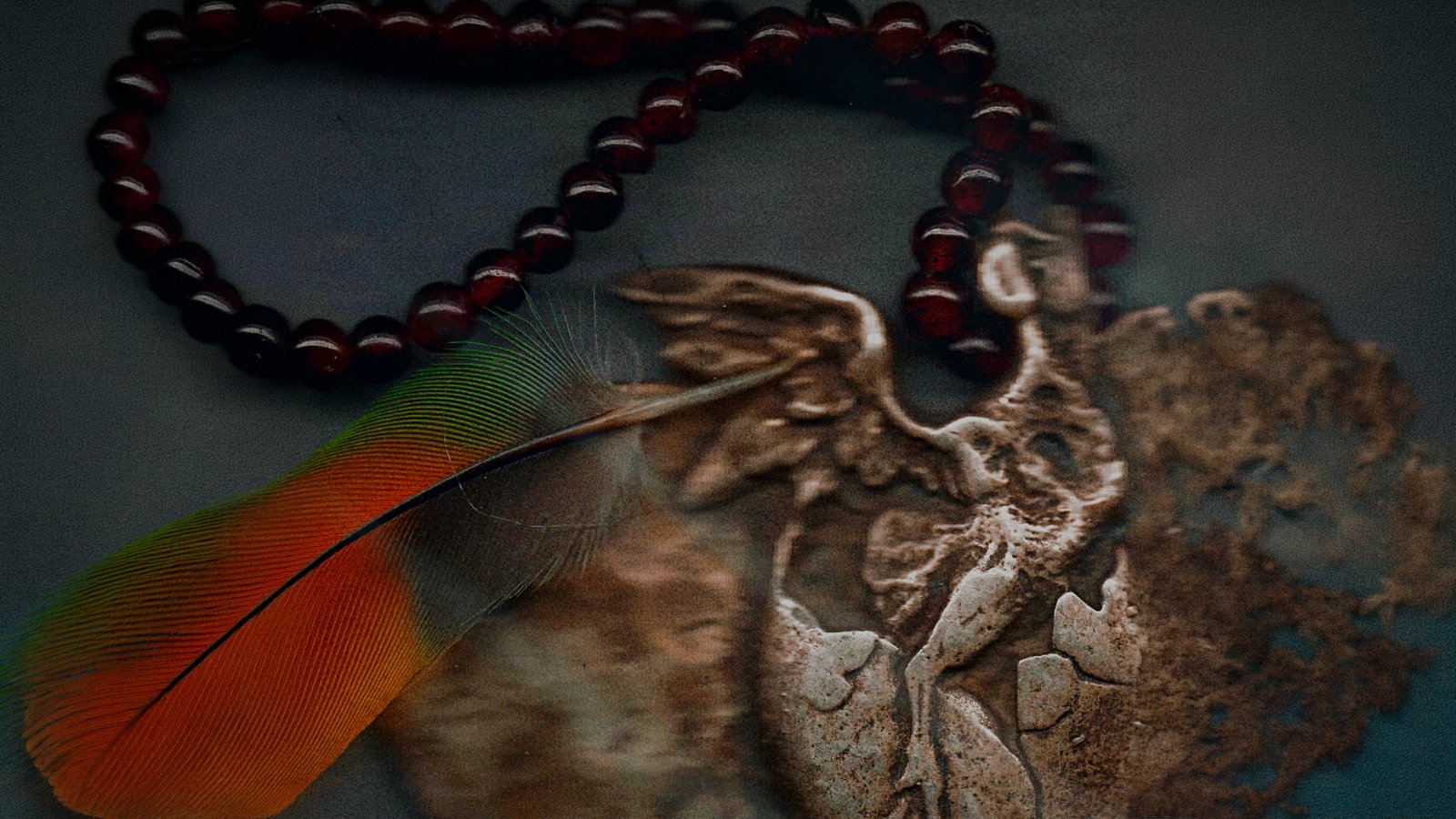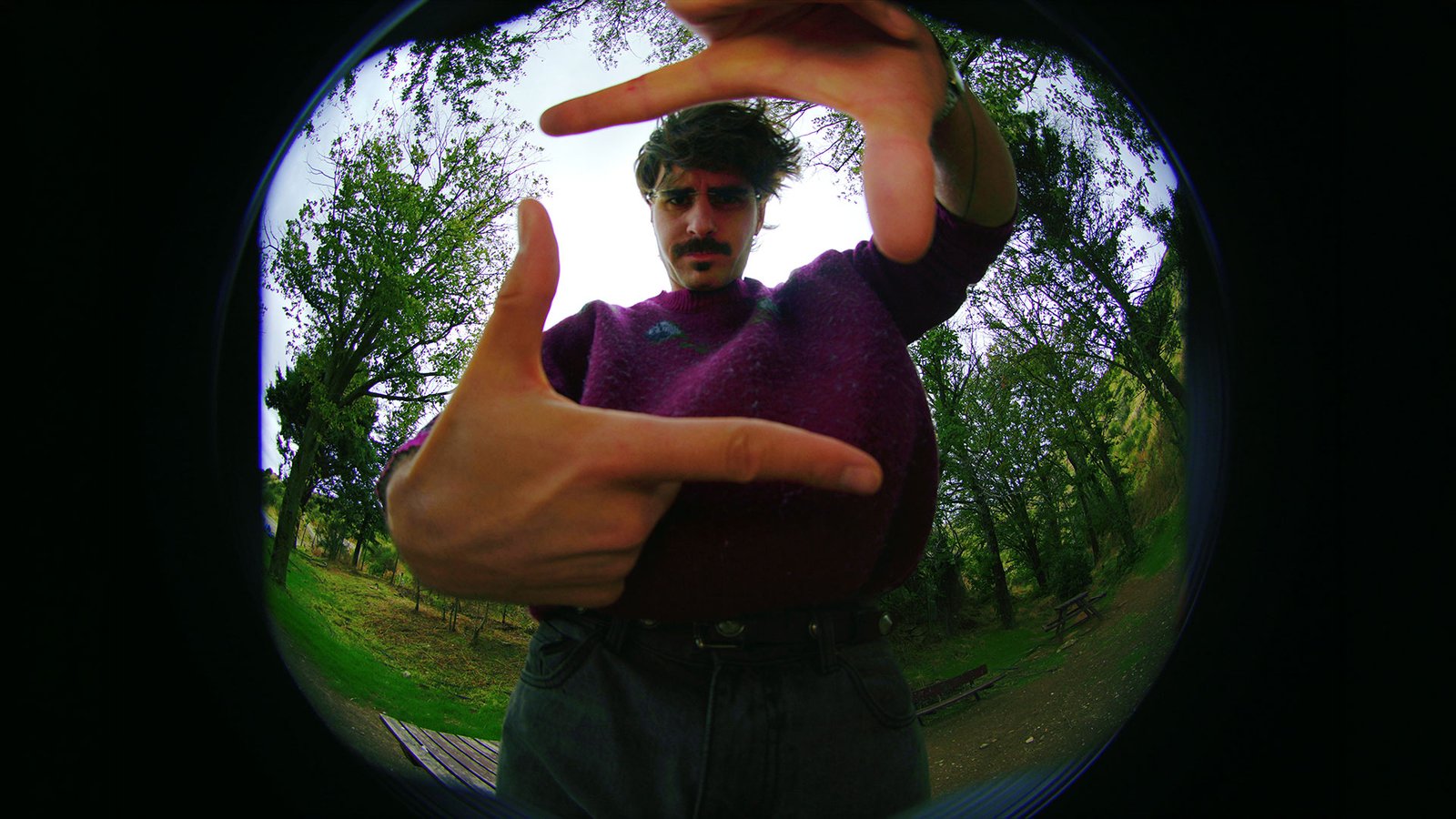
The line about cold fingers on a hand in the car appears early and returns in nearly identical form later in the song. In most writing a recurring image would be varied or given new shading on its reappearances. Here the lack of change is the structural decision. The image stays as it is. Everything else moves around it without altering its weight. This creates a loop that matches the internal state the lyrics describe: a mind that keeps coming back to the same precise moment.
The bright acoustic guitars that open the track provide a clear, ringing foundation that never thickens or drives. The vocal sits warmly inside that space. It stays intimate without turning confessional and present without ever reaching for more force. Guitar and voice together form a steady center that the rest of the arrangement can gather around without displacing.
The track does grow, but the growth happens through the careful addition of new sounds rather than through any increase in intensity. A shaker enters to give a light, continuous pulse that never accelerates. A Rhodes-like electric piano appears later, adding soft harmonic color that fills space without brightening the tone. The trumpet arrives as the most distinctive timbral element. It brings a clear, slightly distant voice that cuts through the accumulating layers with a human, exposed quality the other instruments do not provide. Each new sound enriches the atmosphere while leaving the core untouched.
Importantly, the bright acoustic guitars and warm vocal are never asked to rise in response to these additions. They continue at the same level of presence. The arrangement builds around them rather than demanding that they carry more weight or move the track forward. This is what keeps the piece in balance. The added layers deepen the texture without forcing any change in the central elements.
When the central image returns in the later sections, the arrangement already contains the shaker, the electric piano and the trumpet. Yet none of these elements are used to signal arrival or to soften the image. The line lands with the same directness it had at the beginning. The extra sounds continue alongside it without redirecting attention or creating a sense of progress. The trumpet, in particular, adds a timbral layer that feels personal, but it is kept in the same suspended register as everything else.
This is the clearest sign of the track’s formal intelligence. Many songs add instruments to mark emotional movement or to suggest that something has shifted. Here the additions serve the opposite function. They make the unchanged nature of the central image more audible by contrast. The trumpet does not resolve anything. It simply exists within the same balanced space as the bright guitars and warm vocal. The result is a piece that feels both fuller and still held in place. Nothing has been forced forward because nothing in the arrangement was ever asked to force it.
By protecting the fixed center while allowing the arrangement to accumulate, “Cold Fingers” achieves a form of precision that is difficult to reach through more conventional development. The listener can hear every new layer clearly because the core elements are never asked to compete or to rise. The bright acoustic guitars and warm vocal remain audible and centered even as the shaker, electric piano and trumpet enter. The track becomes richer without losing its poise.
The real discipline lies in this refusal to let added texture alter the emotional or structural center. In a landscape where growth usually means louder dynamics, faster rhythm or more explicit feeling, the decision to add sounds while keeping the core steady stands out as a clear compositional choice. The single does not move past the detail it began with. It simply lets more sound gather around it, keeping the same balance and the same unforced character throughout. That choice gives the track its particular clarity and its particular staying power.