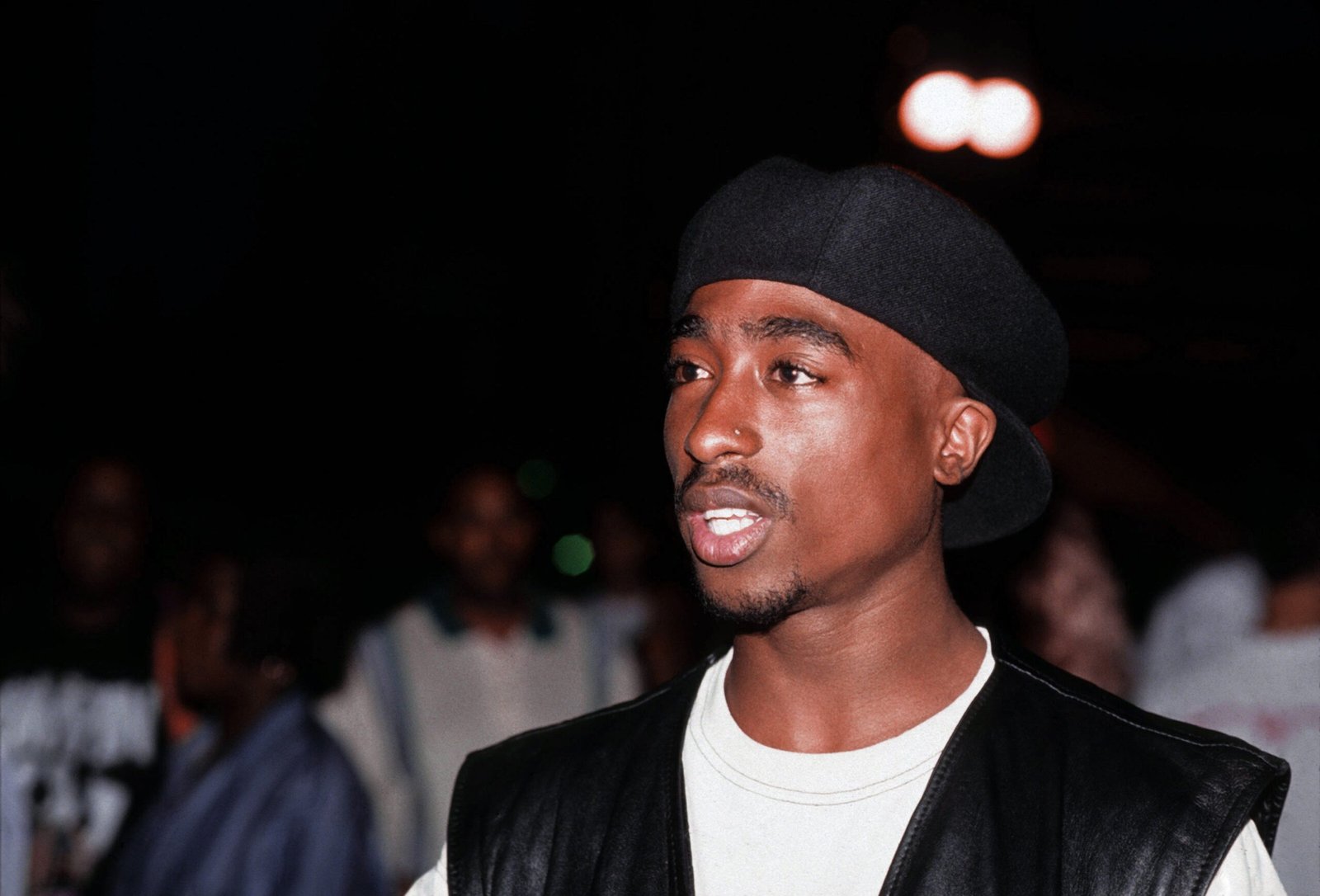
Three decades after his death, the cultural conversation around Tupac Shakur has shifted from dismissal to a more complicated reckoning with his influence and the violence that cut it short.
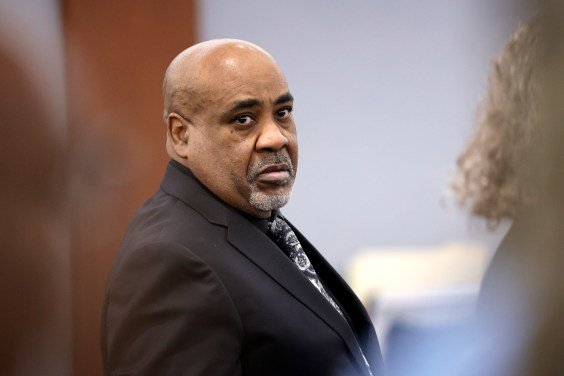
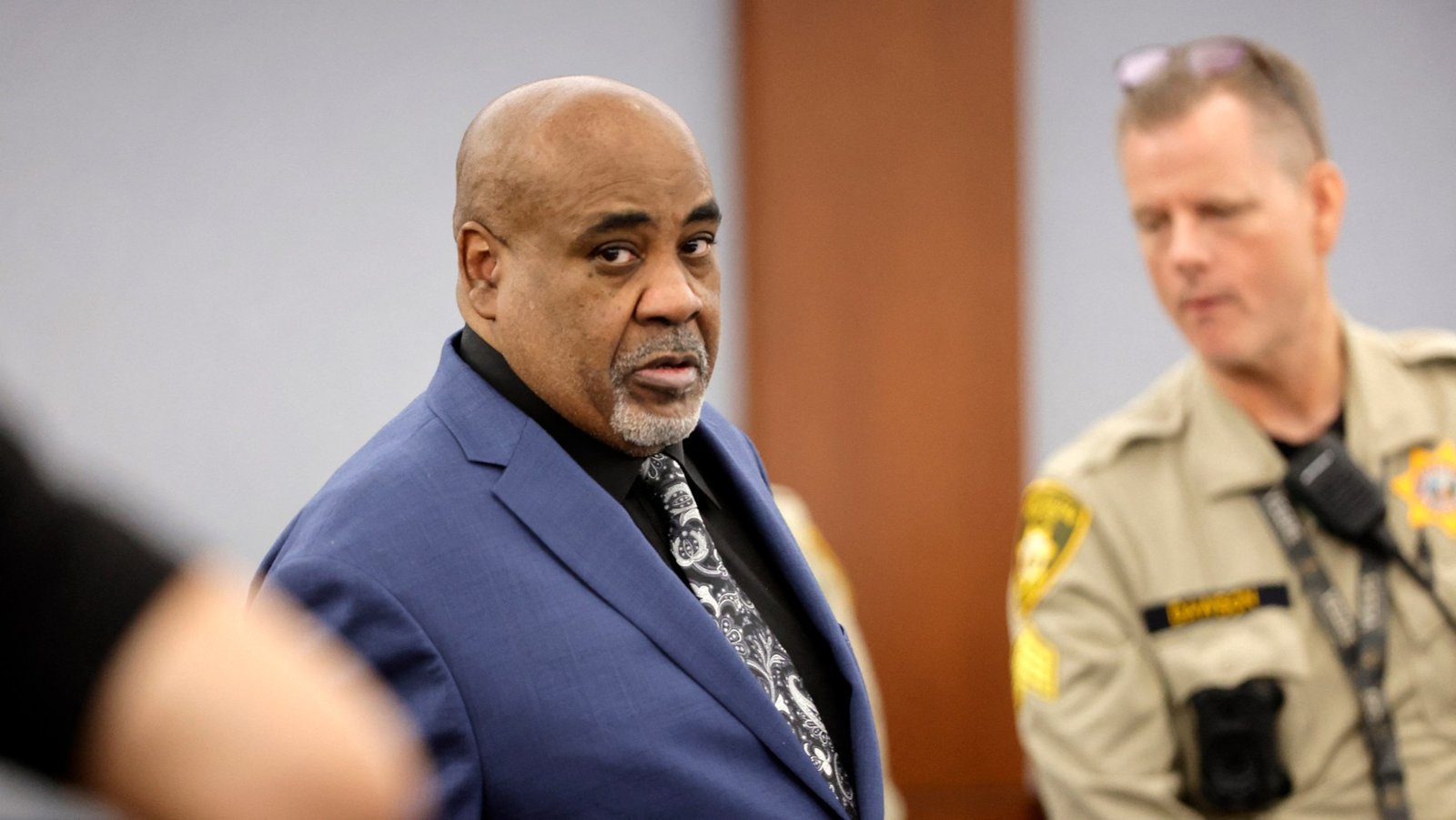
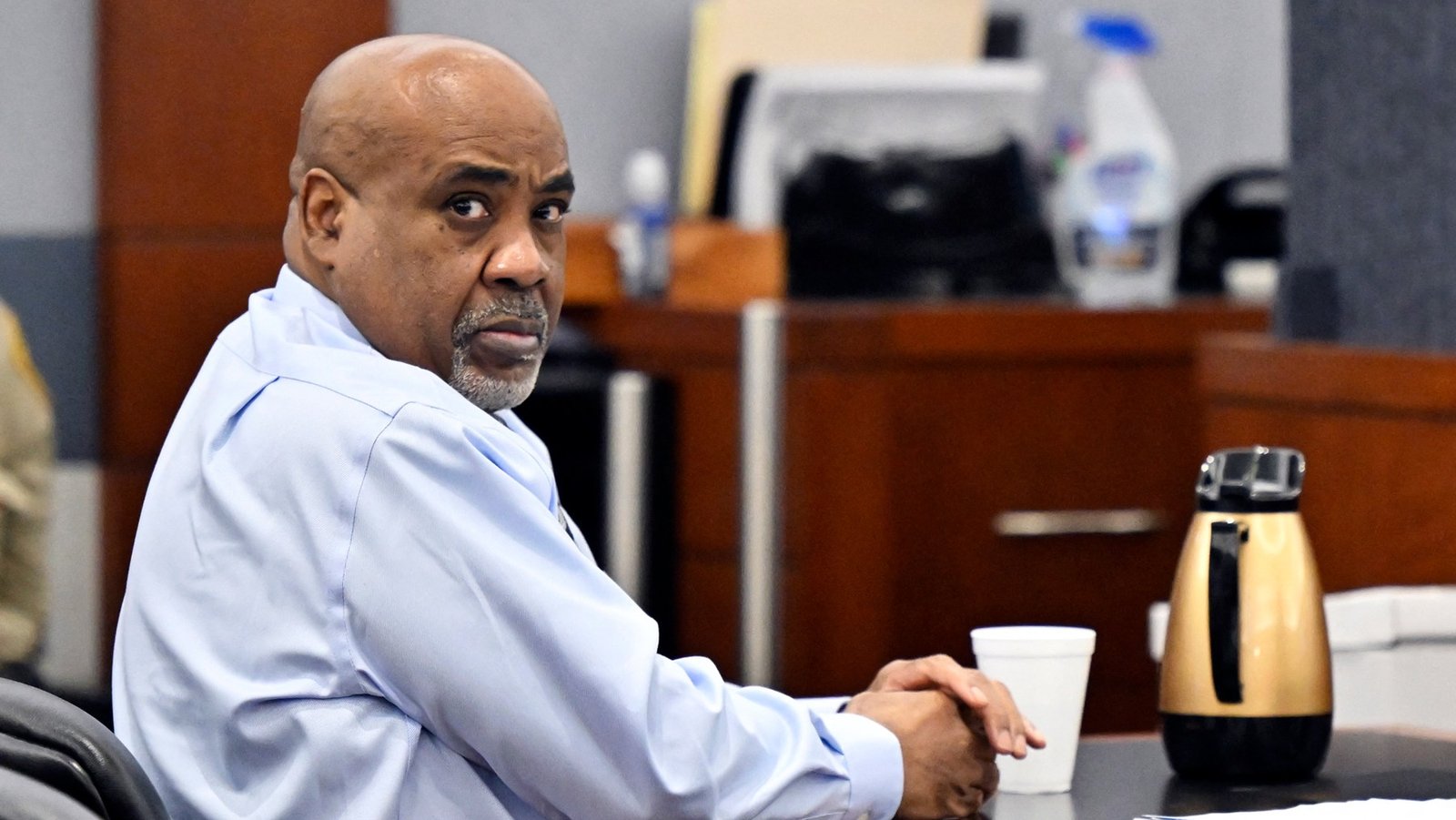
A Las Vegas jury convicted former Compton gang leader Duane “Keffe D” Davis of first-degree murder in the 1996 drive-by shooting of Tupac Shakur. Former LAPD detective Greg Kading, whose work helped crack the case, called the verdict a long-delayed confirmation.
A Las Vegas jury found former Compton Crips leader Duane “Keffe D” Davis guilty in the drive-by murder of Tupac Shakur, bringing a legal conclusion to a case that had remained unresolved for nearly three decades.
Closing arguments pitted circumstantial evidence of South Side Compton Crips retaliation against defense claims that Davis lied for years to police and media.
The once-sealed police interview with Duane “Keffe D” Davis was played for jurors in Las Vegas, offering an unvarnished account of the 1996 drive-by shooting that killed Tupac Shakur.
The Death Row producer filed a lawsuit claiming he is owed money for tracks on All Eyez on Me and other songs, after a $91,000 payment arrived without accounting.