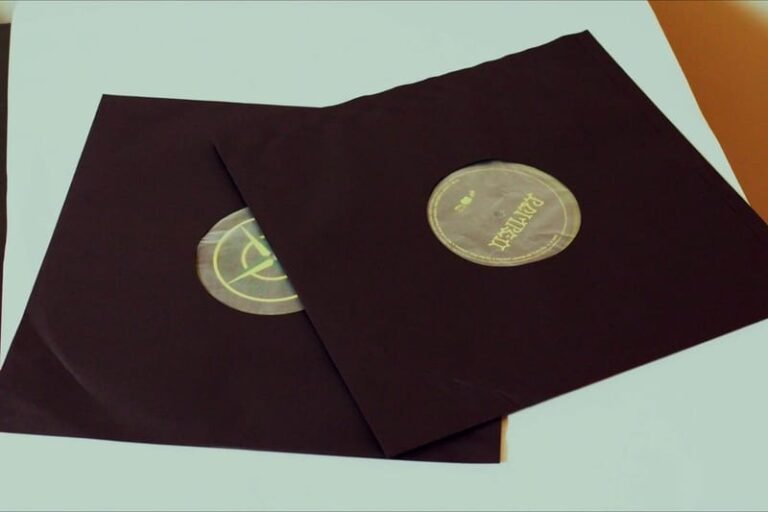
A story of forced creation, the Shaggs’ music exists outside of taste, a raw document of obedience that became an accidental monument to artistic purity.
The story of the Shaggs is not a story of music in the conventional sense. It is a story of prophecy, paternal will, and the profound, unsettling artifact that can emerge when artistic expression is utterly divorced from artistic intent. Three sisters from Fremont, New Hampshire, Dorothy, Betty, and Helen Wiggin, were formed into a band by their father, Austin, who was fulfilling a palm-reading prediction. Their 1969 album, Philosophy of the World, famously exists in a realm of its own logic: rhythms stutter, guitars clash in discordant tunings, and vocals deliver naive lyrics with a flat, earnest conviction.
What defines the Shaggs is not technical failure, but the complete absence of the cultural filters that shape most music. They were not trying to be punk, avant-garde, or lo-fi. They were trying, with dutiful effort, to obey their father. The result is a sound stripped of influence, a direct transmission from a closed world. This purity, however accidental, is what transformed them from a family oddity into a cult phenomenon. Their music bypasses the critical faculty and speaks instead to the idea of expression in its most fundamental, unmediated state.
Their legacy is a paradox. Champions like Frank Zappa and Kurt Cobain heard a radical authenticity in the chaos, a rebellion against polish that resonated with their own sensibilities. The band became a totem for the celebration of the “outsider,” their very obscurity a badge of honor. Yet this framing can obscure the reality of their experience, which was one of control and isolation, not liberation.
A new documentary continues the process of contextualizing their accidental art. The Shaggs’ enduring fascination lies in this tension. They are a cultural Rorschach test. Listeners hear either sublime innocence or unlistenable noise, often both at once. Their work stands as a permanent question mark about the nature of art itself, proving that profound impact can emerge from the most unlikely and constrained of origins, forever echoing Austin Wiggin’s singular, unwavering vision.
Join the Club
Like this story? You’ll love our monthly newsletter.
Thank you for subscribing to the newsletter.
Oops. Something went wrong. Please try again later.

ROMBO Editorial Staff
The collective voice behind ROMBO Magazine’s news, reviews, features, and cultural coverage.