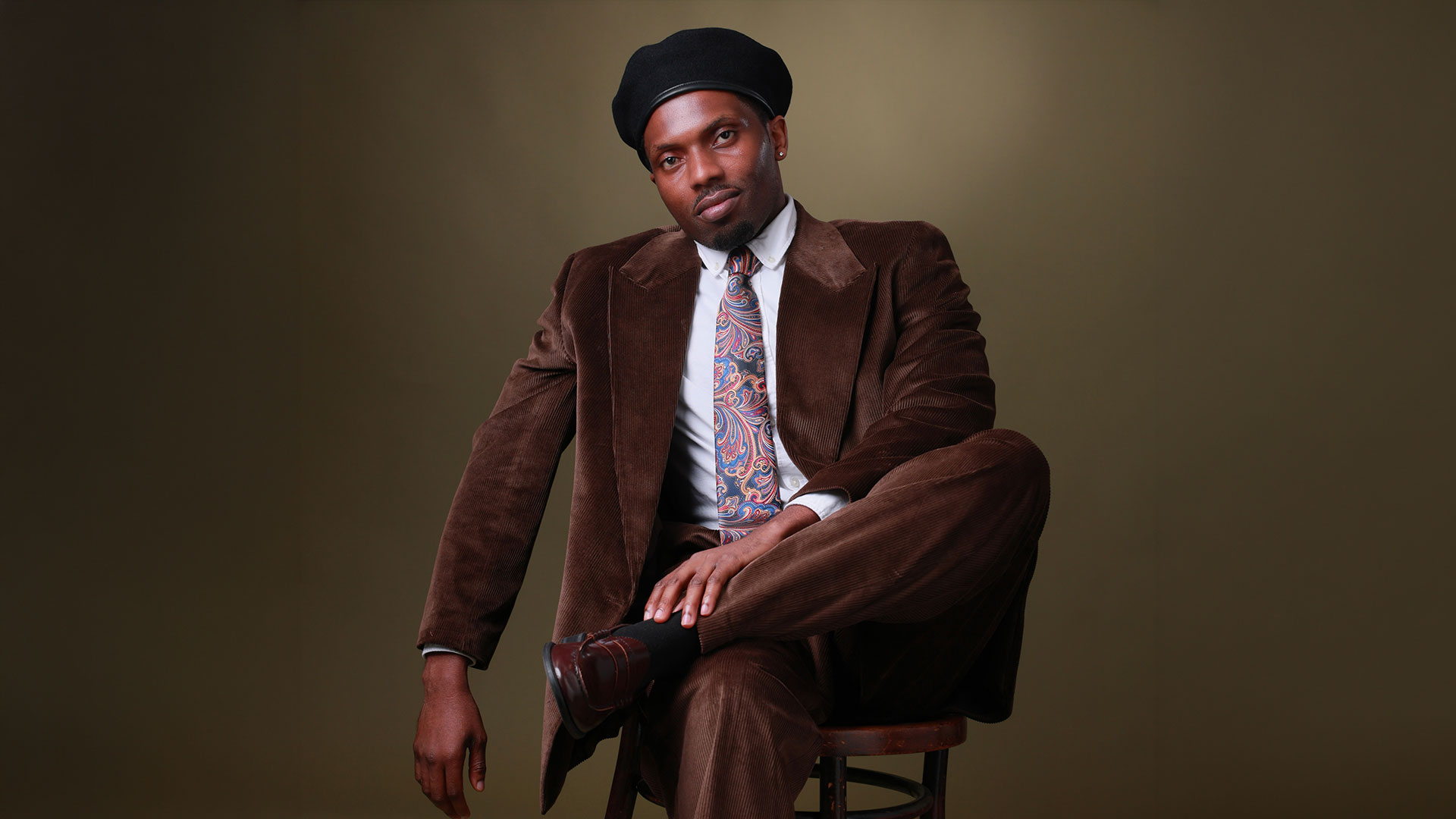
Tobi Dada grew up in London with the talking drum and the trumpet nearby. Over more than fifteen years he moved from playing by ear to classical study on the page, felt the composer’s directions close around him, then stepped into jazz where the changes asked for a personal line. He transcribed Charlie Parker, Duke Ellington, Dave Brubeck, Max Roach, Dizzy Gillespie, Bud Powell and Barry Harris until the lines sat in his hands. The phrase he carries is face everything and recover. Oluwatobi is the first album, a set of ten standards recorded between home and studios and shaped with a producer and designer. Family events, economic pressure and the arrival of artificial intelligence sat behind the sessions. The name itself, Oluwatobi, carries the Yoruba sense that the Lord is great.
A letter arrives with postage due. The envelope is still worth opening. In the lyric Thomas Adair wrote for Everything Happens to Me, the final rejection comes with that extra cost. “Your answer was goodbye and there was even postage due.” The small disasters pile up. A golf date rains. A party draws a complaint from upstairs. Love itself becomes the latest mishap. Dada places the tune third on the record. The album listens as if the whole Songbook has arrived late, carrying its own due of history, and the piano trio is the act of facing the bill and recovering what the pages still hold.
Polka Dots And Moonbeams opens in the soft light of a garden dance. The piano states the theme with elastic rubato, brushes whispering on the snare, the bass holding a deep line. In the original the narrator feels a bump, hears an apology, then sees “polka dots and moonbeams all around a pug-nosed dream.” Later the same vision sits inside a cottage of lilacs and laughter. Here the cascades in the upper register briefly open that light, then the theme returns and the coda settles soft. The chance meeting remains a quiet recognition rather than a finished story.
The Girl From Ipanema follows with the syncopated sway of the coast. The girl walks to the sea, tall and tan and young and lovely, and the watcher stays at the bar. The piano offers the melody in a conversational touch, then lifts into brighter runs before returning. The one-sided glance stays intact. Nothing is resolved. The walk continues.
Everything Happens To Me stretches past seven minutes. After the solo piano introduction the trio settles into a soft swing. The chromatic flights in the middle carry the wry smile of the lyric without naming the rain or the missed planes. The return to the theme and the final arpeggio leave the resignation suspended rather than closed. The postage due has been paid. The message is still there.
There Will Never Be Another You turns the uniqueness of the lost person into a present conversation. The bass takes a singing passage. The piano answers with clear accents and suspended chords in the coda. The lyric’s insistence that no other will thrill the same way becomes the space the trio holds open. Other songs, other springs, other lips remain possible. The particular absence does not disappear.
My Ideal keeps the designed fantasy. The introduction sits alone with rich chords and rubato before the brushes enter. “Will I ever find the girl in my mind? The one who is my ideal.” The final free cadence rises in arpeggios, then a short livelier close smiles the search onward. The ideal stays just around the corner.
Just Friends, the shortest piece at a little over three minutes, stays mostly with the piano and a quiet rhythmic brush. The lyric marks the shift from romance to the thinner label of friendship. The central turn from floating figures to tighter bebop lines shakes the memory into motion, then settles again. The old closeness has not caught up with the new word.
Out Of Nowhere treats the sudden arrival. The walking bass and brushes give the piano room for dense voicings and bright runs. The central improvisation presses, then the theme returns and the rubato coda dissolves in suspended notes. The lover who came from nowhere remains a present dialogue. The question of what happens if that person returns to nowhere is left hanging in the air.
My Old Flame holds the memory that flashes back. Framed by a solo piano introduction and coda, the middle swings hard. “My old flame, I can’t even think of his name, but it’s funny now and then how my thoughts go flashing back again.” The tension between the soft ballad and the brighter walking section keeps the old flame visible. The final solo arpeggio leaves it still burning at a distance.
Fly Me To The Moon builds from the solo introduction into elastic swing. The call and response between piano fragments and snare figures carries the plea “in other words, hold my hand” into collective joy. The closing cascades leave the devotion suspended in air. The cosmic image folds back into the simple request for a hand and a true word.
Take Five closes the set. Without the saxophone the piano takes the odd meter, left hand hammering the ostinato, right hand stating the theme with syncopated brightness. The percussion thins to dry drums, then the final free cadence dissolves the five into cascades and high resonances that fade. The short break the title names becomes the last recovery of time itself.
Throughout, the production stays close and dry. The wood of the bass, the hammers of the piano, the velvet of the brushes remain audible. The piano carries the narrative weight the original singers once held. The album does not restate the lyrics. It recovers their emotional temperature through touch, pause and the shared pulse of the trio. After years of facing the page, the masters and the private everything, Dada has recovered a room where those old stories can still be heard in the present tense.