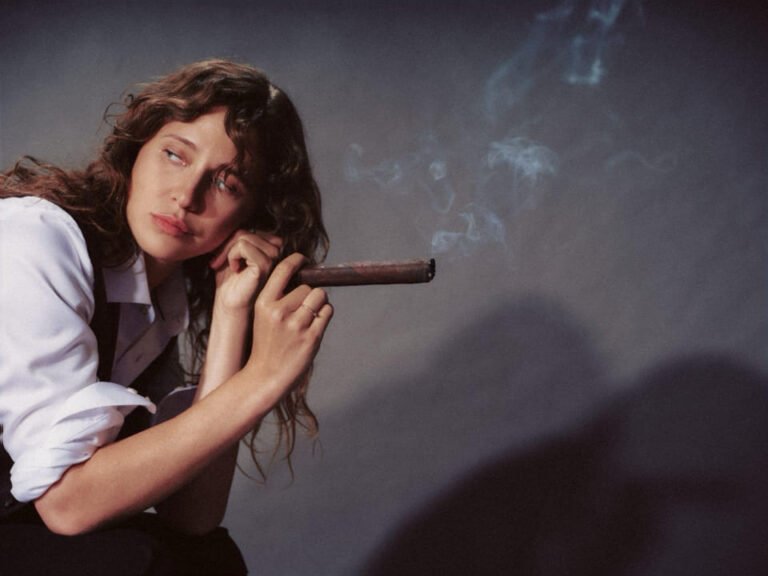
Written and performed with Daniel Lazenby, the single sits with an intimate pull that the other person already treats as something to regret.
There is an old practice among some Japanese gardeners of leaving one stone slightly out of place. The gap is not an error. It marks the spot where something has not yet arrived, and the garden keeps the space open without forcing the arrival. Ula’s new single Wish You Never Had works inside a similar agreement. The song does not try to pull a closed person into the open. It simply stays where the almost already lives.
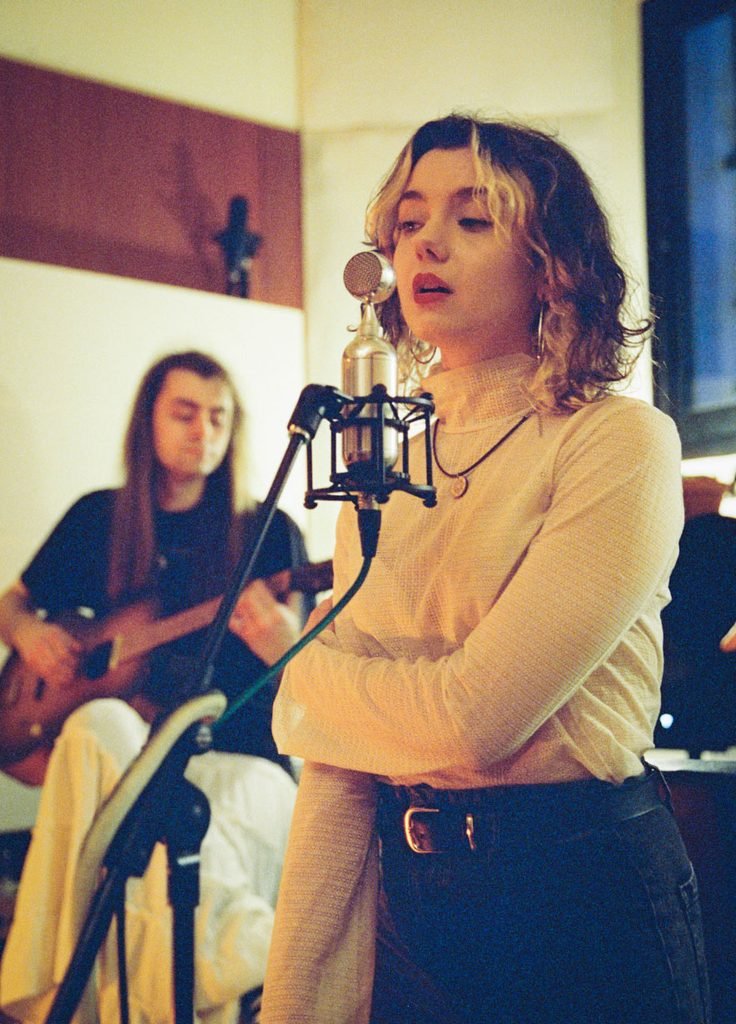
Ula arrived in London alone at 17 to study at The BRIT School. Polish-born and already performing, she fronted the prog-pop project Tenacity, building a catalog and a reputation across nearly seventy venues in the city. The band’s years included Daniel Lazenby on guitar. When she stepped into solo work with the self-produced EP boysulk in November 2025, the shift felt deliberate rather than sudden. Wish You Never Had, written and performed by Ula and Lazenby and shaped over a long winter month at ZigZag Studios, continues that conversation. Mixed by Matthew Keightley and mastered by Cicely Balston, the arrangement keeps the history close without repeating it.
The track opens on a low pulse and a loop that feels half-remembered, like a tape left running in another room. Ula’s voice enters close and almost weightless, carrying the physical detail first. “Rain of your fingertips on my back” lands as sensation before it becomes meaning. Everything feels a little lighter, then immediately less so. She places herself “Right on the line between good and sad,” a position that does not resolve. The line is not a balance. It is a location she accepts for both of them. The production stays spare here, guitars clean and slightly delayed, synthetic tones stretching the room just enough to suggest distance without naming it.
What the song actually tracks is the specific tension of wanting someone who has already decided that wanting might have been a mistake. The person remains emotionally closed, the attraction real, the risk of exposure treated as something to manage. Ula offers the space for that management. “Throw it at me when you come out of your shell” is not a demand for openness. It is an invitation that carries its own limit. She will take whatever arrives. She will not pretend the shell is already gone. Later she names the position directly: “And I am only the wish you wish you never had.” The line sits without decoration. It does not plead. It registers the fact that desire itself can be experienced as a regret by the person who feels it.
The middle section holds that fact in place. Reverb-heavy guitar lines and light percussion create a waiting that does not push forward. The music accumulates slowly, then stops short of release. When the drums finally enter and the guitars thicken, the change is not a breakthrough. It is the moment the held tension becomes audible. On the phrase “Your eyes have been slowly exploding my name,” the voice gains weight and doubles into layered harmonics. The delivery stays measured even as it opens. The eyes are still looking. The name is still being registered. The walk away remains possible. “Just drop me off here and walk away” is offered as an option that both people already know will not be taken, at least not cleanly. The attraction continues underneath the decision.
The video, filmed by Billy Brown and choreographed by Lizzie Woodford, stages this same suspended agreement inside a single closed room. Woodford and Aimee Shannon move through the space with the singer and guitarist, the camera holding long takes that shift between a cool blue light on the raised platform and a warmer red glow around the sofa and draped curtain. Stillness gives way to wider movement, then a circling of the two musicians back to back before the figures gradually leave the frame. The dual lighting marks the same line the lyric names. The controlled exit leaves the red backdrop in place, the stone still slightly out of alignment.
The final repetitions of the chorus do not escalate further. The arrangement thins again. Echoes remain, but the pulse softens. What stays is the clarity of the position Ula has chosen: she will carry the hesitation, name the risk, and leave the stone slightly out of place. The song does not resolve the closed door. It documents the temperature of standing beside it with the light still on. Wish You Never Had is out now.
Follow Ula
Wish You Never Had is out now.
Listen: Spotify