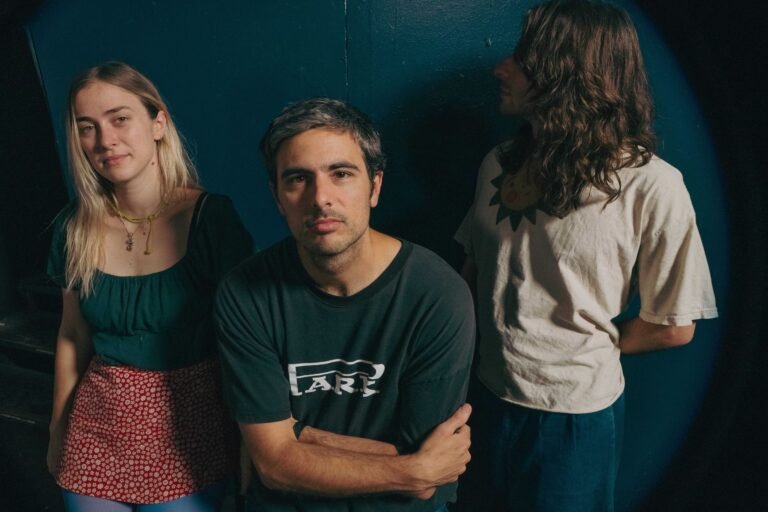
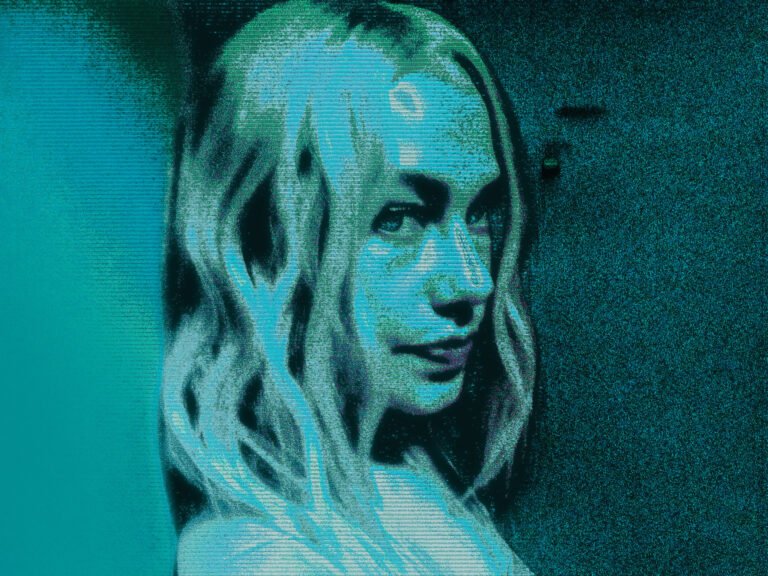
Carisa Dias and Fidju Kitxora are reshaping Cabo Verdean music by treating colonially suppressed traditions as living material, not museum pieces.
Funaná was banned. The accordion-driven rhythm from Santiago’s interior was considered too raw, too poor, too honest about colonial rule. Portuguese authorities kept it out of cities and off the radio. It survived anyway.
That history gives weight to the current transformation of Cabo Verdean music. Carisa Dias’s debut album Carisa carries this weight without declaring it. She is not making “world music” or a “roots revival.” She is singing about her life, love, and identity, with morna running underneath layers of soul, R&B, and Afrobeats.
The album includes “Amor Amor,” a song her father Amadeu Dias wrote in the early 1980s. “It’s a way of honoring his dream, thanking him for everything he taught me, and creating a bridge between his generation and mine,” she says.
Dias grew up between Portugal and Cabo Verdean culture, never hearing those sounds as opposites. “I just let all the parts of my identity express themselves.” The same impulse drives Fidju Kitxora and other emerging artists. They treat tradition as a living conversation, not a fixed artifact. When funaná collided with synthesizers in the ’60s and ’70s, the tradition did not weaken. It deepened. That lesson is now part of the music’s next chapter.
Join the Club
Like this story? You’ll love our monthly newsletter.
Thank you for subscribing to the newsletter.
Oops. Something went wrong. Please try again later.

ROMBO Editorial Staff
The collective voice behind ROMBO Magazine’s news, reviews, features, and cultural coverage.