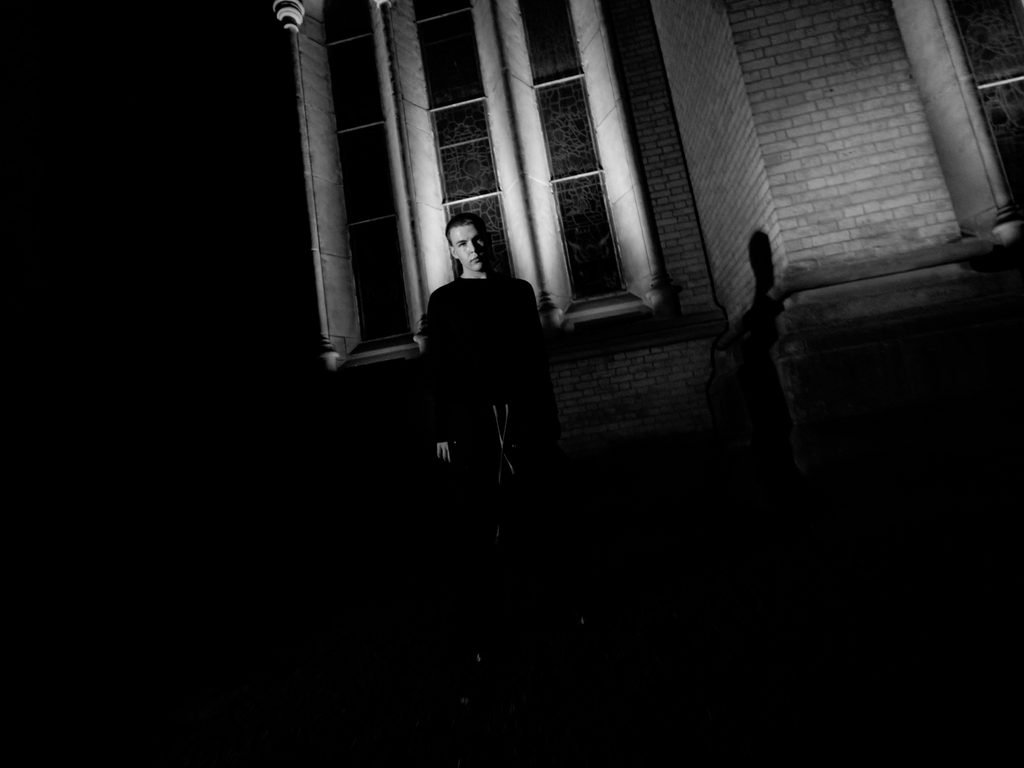
Ethan Moraux is twenty and already running his own circuit in Toronto. He writes, produces, records, and engineers. The solo project started in November 2025 with a blunt brief he keeps repeating: making music should still feel like fun. That line would sound thin if the work behind it was thin. It is not. Before Icon Killer he had already been putting tracks on SoundCloud with titles that pointed at the same figure, Alchemist, Show Off, Wow. He talks about writing his first song at six as if the habit never left the room. The new single, out 27 August, is the first time that habit hits a proper studio floor. Diesel Headquarters on Northcote Avenue. Mixed and mastered by Moraux himself. The beat comes from cohen, a university friend who builds hard, new-wave hip-hop frames and knows how to leave a melody looking slightly wrong on purpose.
There is an old argument about images. In the centuries when churches smashed their own saints, the fear was practical. A picture can hold too much. People start praying to the surface and forget what sits behind it. The file stays open because the face keeps working after the person has left the room. Icon Killer lives on that fear, then uses it. Moraux does not stand in a square with a hammer. He walks through a scene that already runs on captions, old folders, and faces uploaded without consent, and he treats the image as something you can take down from the inside.
That is why the title lands with more weight than a flex. An icon killer is not only someone who wants the crown. He is someone who understands that the crown is a picture, and that pictures can be flipped, leaked, stolen, or worn until they stop meaning anything. The song was written after an ex-collaborator put an old project on streaming to force a reaction. Moraux does not turn that episode into a speech. He turns it into cadence. Full moon, lights off, perfume. Lifted the veil. I play magician but I play you like a fool. The language is theatrical on purpose. Alchemy, spells, a crowded room summoned out of nothing. Then the chorus files the case under another name. Icon killer, you don’t wanna know. Cold case thriller, it’s a rodeo.
The production keeps that temperature. Cohen’s beat sits in the dark-trap and rage lane without behaving like a photocopy. Distorted low end, hi-hats that twitch instead of march, pads that close the air around the vocal. The percussion has a glitch in it, a textural scrape that nods toward the PC Music and SOPHIE school without dressing the track as hyperpop cosplay. Moraux’s voice is the extra instrument. Autotune, delay, and reverb give it a metallic distance, half whisper, half shove. The rhythm feels slower than it is because the drum programming leans half-time. You get the drag of a night drive and the snap of someone who has already decided how the scene ends.
He has been compared, in passing, to Nettspend, Che, Bronclair, and the wider underground that treats rage as a texture rather than a slogan. Those names sketch a neighborhood. They do not explain the record. What gives Icon Killer presence is the control in the writing. Cards on the table, I don’t listen long. Cameras on me, so I give them what they want. Ambition is here, and so is the colder idea that self-belief can look like cruelty if you have already been used. The second verse does not plead. It watches. That is the emotional range of the single. Not confession. Surveillance, turned inward, then pointed back out.
He has already tested the song in rooms that do not care about press copy. Junction Underground, the low basement on Dundas at Keele, including an opening slot for aidn. A later set in early September. The track is built for that kind of space. Tight ceiling, cheap lights, a crowd close enough to feel the 808 as pressure rather than design. Toronto’s underground has always been good at this: small rooms where a young artist can find out if the persona survives contact. Icon Killer sounds like it did.
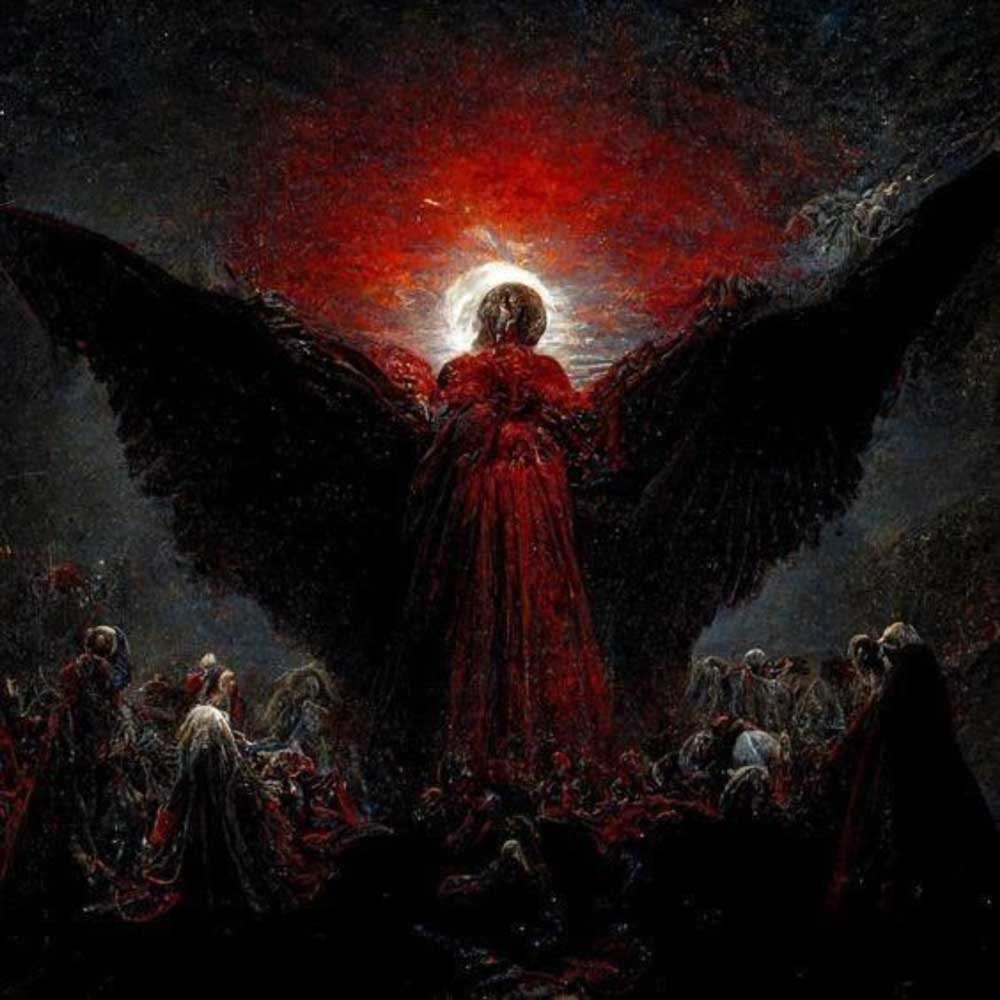
The cover art does the same work as the lyric. A winged figure in red, halo burning, crowd packed beneath the wings. Mysticism and occult history are part of how Moraux wants the project to look, and for once the image is not decoration. It is the argument. Someone stands above the room and refuses to be read as a person. Only as a shape. That is the risk of the whole aesthetic. Play the magician long enough and the trick becomes the only available face. The single understands that tension and keeps it unresolved. Season change like a winter snow. Flip the script out the window. Then it stops.
What remains is a first studio document with a clear sense of identity. A Toronto writer-engineer who wants the rage lane to feel slightly cursed, slightly ceremonial, and still physical enough to hold a basement. Icon Killer does not rush to explain itself. It leaves the file on the desk, marked open, and walks out before anyone can take a clean photograph.
Follow Ethan Moraux
Icon Killer is out now.
Listen: Spotify · SoundCloud