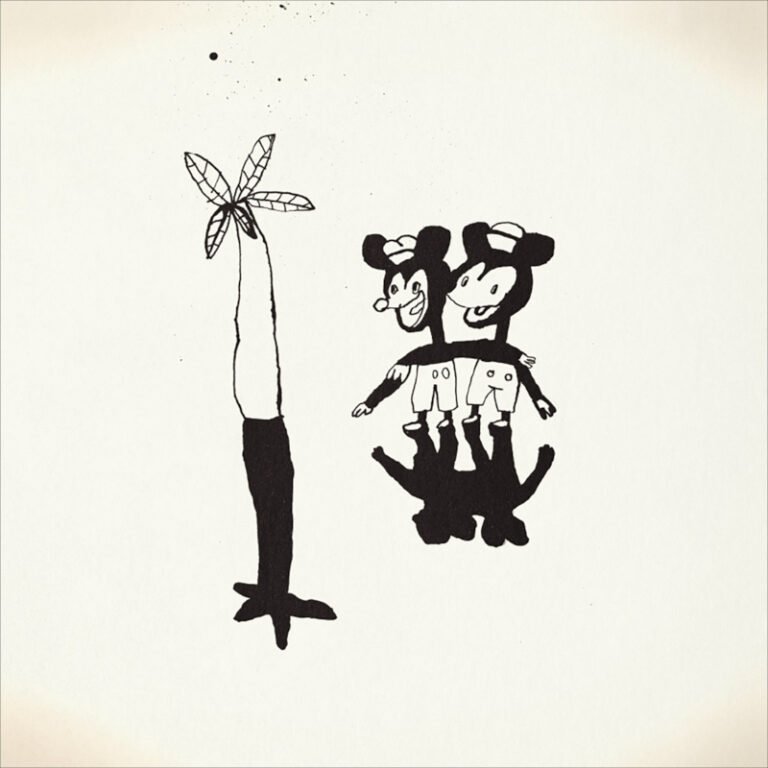
A North Carolina debut single built on delayed guitars, mid-tempo patience, and a lyric that treats self-knowledge as something already in the room.
Translucent Veil come out of North Carolina as a working rock band rather than a concept. Cameron Boahn, Tony Boutin and Jason Kimbrough are veterans of other regional groups. The project started as a Sunday jam and hardened into a self-titled debut, released on 14 August 2026 through CD Baby as a self-released record on vinyl, CD and digital. The writing sits inside late-sixties and early-seventies psychedelic rock and hard rock. Introspection, whimsy and social comment all sit on the same table. The Veil is the first focus track, written by Boutin and Boahn, and it is the cleanest way into their world.
Architects have a word for a surface that neither hides a room nor hands it over. Translucence. Alabaster, rice paper, acid-etched glass. Light passes. Edges smear. You receive temperature before you receive a picture. The wall is doing work. It is processing the day and giving it back as glow. That condition has almost nothing to do with a guitar solo until you hear how The Veil is built. The song does not rush to show its subject. It lets the room fill first.
A muffled, heavily reverbed rhythm guitar sits under the track like a carpet. It occupies space without arguing for attention. Over that bed, lead lines arrive as separate sentences. They carry melody, then step aside so the echo can finish the thought. Bass and drums stay lean and firm. They follow the more dilated passages, then hold the harmonic opening when the song needs a floor. The tempo sits in a mid range that leaves time for those echoes to die. Around ninety to one hundred and five beats a minute is enough air for a chord to remain in the room after the hand has left the neck.
San Francisco songwriter and producer Chris von Sneidern sings on the track, as he does on several songs across the album. His voice has the grain of someone who has lived inside power pop and studio craft for decades. Against Boahn’s arrangements and Boutin’s drum part, it keeps the single from floating off into incense. The recording and mix come from Eli Webb at Sonark Media in Hillsborough. Boahn and Webb produce. Steven Raets masters. Additional work was cut at Hyde Street Studios in San Francisco. The chain is modest and specific. You can hear the rooms.
The lyric treats the veil as a psychological wall. Hurt stacks into height. The barrier has a purpose. It also hides what was never far away. “Secret secrets in plain sight” is the phrase the chorus keeps returning to, and it is the point where the architectural image locks onto the song. The truth is not buried in another country. It is close enough to be missed. Verses move from hesitation to a harder kind of seeing. Should the singer open the inner door. Can darkness be faced without losing the light. By the bridge the vantage has changed. He is standing at the edge of his own mind and naming control as something already possessed. Knowledge was inside. The veil lifts because the looking finally matches the thing that was always there.
That reading would be cheap if the music hurried toward a sermon. It does not. The Veil holds its temperature. The vocal line stays measured. The guitar phrases behave like thought, not like a speech. Listeners who still live inside Pink Floyd’s sense of space will recognize the grammar. Reverb as structure. Lead guitar as landscape. A mid-tempo that trusts delay. The resemblance is real and it is also limited. Translucent Veil are not staging a tribute. They are using a known language because that language still does a particular job. It gives private material a public scale without turning the private material into noise.
The album around the single was finished under real pressure. During the sessions Boutin was diagnosed with pharyngeal cancer and spent time in aggressive treatment while the others kept working. He recovered enough to complete his drum parts. The record then moved toward rehearsal for a regional tour planned for autumn 2026. That story belongs to the making of the album. On The Veil it does not need to be underlined. The track already understands delay, return, and the cost of looking inward. Extra commentary would only thicken a surface that wants to stay open.
What gives the single weight is the precision of that openness. The production leaves space for the feeling to arrive on its own terms. The arrangement trusts atmosphere as structure. The lyric finds its charge in a plain sentence rather than in ornament. For listeners who still want guitar music to paint a room instead of punching a hole in one, The Veil has presence and purpose. It asks for patience. Then it pays that patience back as light that has already been through something.
Follow Translucent Veil
The Veil is out now, taken from the self-titled album Translucent Veil.
Listen: Spotify · SoundCloud
Join the Club
Like this story? You’ll love our monthly newsletter.
Thank you for subscribing to the newsletter.
Oops. Something went wrong. Please try again later.

ROMBO Editorial Staff
The collective voice behind ROMBO Magazine’s news, reviews, features, and cultural coverage.