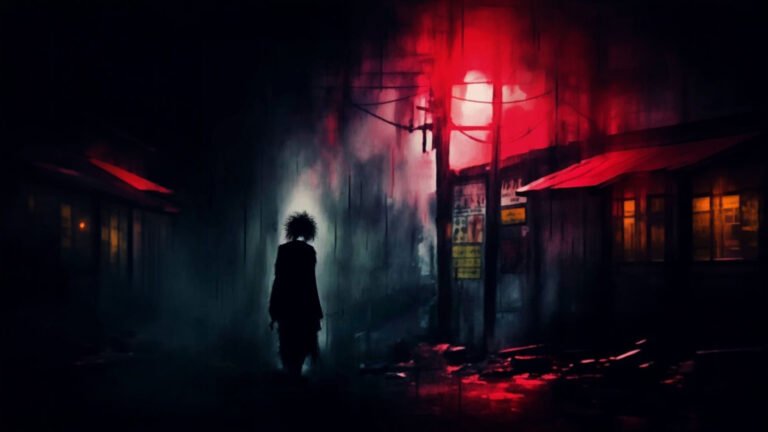
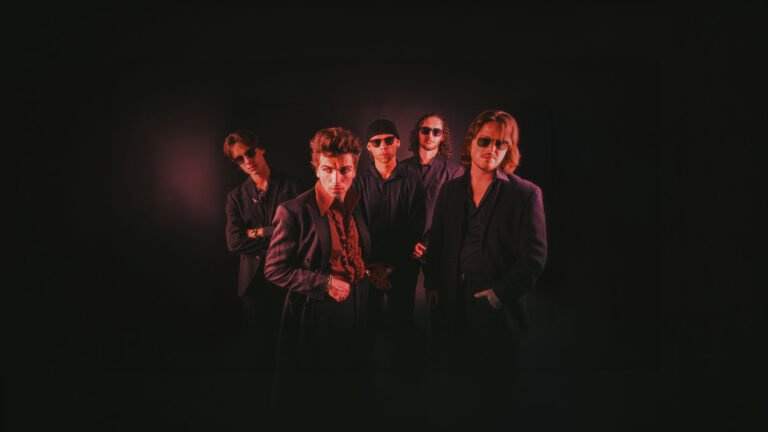
Recovery is SUNDRAWN’s first statement as a band who thought they might never play again. Four tracks. Quiet that thickens. Then the weather arrives.
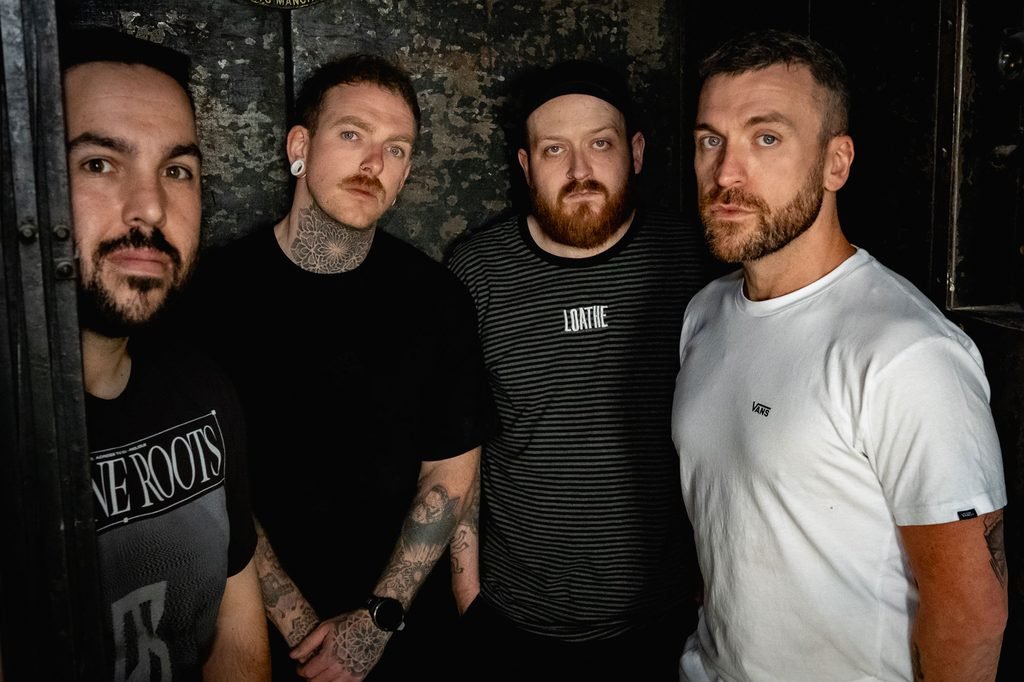
SUNDRAWN arrive from Aberdeen as a four-piece built on contrast. Alternative and post-rock on paper. Heavier in the body of the songs. Their first public mark was the single Smell the Rain, released at the end of August. The debut EP Recovery now gathers that track with three others and makes the project feel like a first chapter rather than a teaser. Frontman Phil Morrison recorded, mixed and mastered the record himself. After earlier bands folded, the group have said they thought they would never play music again. The title is not branding. It is the reason the record exists.
There is a small science to the moment before rain. Dry ground holds oils from plants. Soil bacteria leave behind geosmin. The human nose can catch that compound at almost ridiculous dilutions. You smell the weather before the first drop lands. The air thickens. The light changes. Then the storm arrives and everyone pretends they saw it coming. Aberdeen knows that kind of pressure. Haar off the North Sea. Granite holding the cold. A city that can look still while the atmosphere is already working. Recovery is built the same way. The EP does not open with explanation. It opens with weather you can feel in the chest.
The Constant starts in that held air. Clean guitar, delay, a spoken-word fragment about sleep and the thought of never waking. No drums at first. Time stretches. Then the band cuts through the quiet with a full, serrated entry. Distortion as a wall. Screamed vocal as the point where thought stops being private. The lyric keeps circling a shadow that looks like the person carrying it. Caught in a web. Voices in the head. The last stretch slows into something heavier and more deliberate, a breakdown that feels less like a genre move and more like the song refusing to let the thought go. It is a hard way to begin a debut. It is also an honest one. The record tells you immediately that the quiet is not safety. It is the waiting room.
Smell the Rain is the song that first put a shape on the band. It sits closer to alternative rock and emo-leaning post-hardcore, with a clearer verse and chorus architecture. The verses keep the vocal clean and close. Clouds forming. Lightning. Rain on the window. Someone near and not near enough. The chorus lifts into a thicker guitar bed without abandoning melody. “I can still smell the rain” works as memory and warning at once. The second verse tightens the image. Panic as weather. A prisoner with no lock and key. By the end the clean line gives way to a rawer cry, “Someone, let me be real,” repeated until the plea becomes the arrangement. The single earns its place as the EP’s public face because it holds both temperatures in one song. Intimacy first. Then the break.
23 is the most densely arranged of the four. An operatic, almost spectral vocal floats over distorted guitar and a syncopated pulse before the main voice enters, clean but already scraped. The writing here is about effort that does not guarantee lift. Climbing with the teeth. Pictures of twenty-three painted in the head. “Here I am / Sinking to the bottom.” The chorus hits like an admission rather than a hook designed for comfort. In the later stretch the lyric names the title of the record directly. The time it takes for recovery gets longer every year. That line gives the EP its centre of gravity. Healing is not a montage. It is duration. When the scream returns it does not cancel the exhaustion. It just refuses to stay quiet about it.
See You is the structural surprise. For a long stretch it behaves like an ethereal, almost detached piece. Reverb-heavy guitar. Soft pulse. A vocal that sits inside the mix instead of standing on it. Playing in the water. Hands held out. An echo wanted more than a body. Then the floor drops. Drums return with a martial insistence. Guitars thicken into a post-metal weight. The scream comes back over a final run that feels like the illusion being torn off. The last repetitions of “See You” fade rather than resolve. The EP ends on leave-taking. Not triumph. A necessary goodbye with enough force behind it to make the quiet afterwards feel earned.
What gives Recovery weight is the control of those drops. SUNDRAWN name Deftones, Circa Survive, Maybeshewill, Oceansize, Alexisonfire and Arcane Roots as starting points, and you can hear the lineage in the wide guitar beds, the screamed release, the patience before impact. The record still has its own temperature. Morrison’s self-contained production keeps the four tracks inside one room. The spoken sample, the operatic colour on 23, the long fake calm of See You, they function as pressure systems, not decoration. Lyrically the EP moves through shadow, co-dependency, monotony, the wish to be real, the slow arithmetic of getting better. The band do not tidy that material. They let the songs swell until the feeling has nowhere left to hide.
Four tracks is a short span for a debut, and that shortness is part of the point. Recovery does not try to prove a whole career in one sitting. It proves a method. Hold the air. Let the listener smell the change. Then let the weather hit. For a Scottish alternative band starting again after thinking the instrument was finished, that is a serious first statement. The record leaves you with the same sensation as standing outside before rain. Something has already begun. You only notice it when the ground finally darkens.
Follow SUNDRAWN
Recovery is out now.