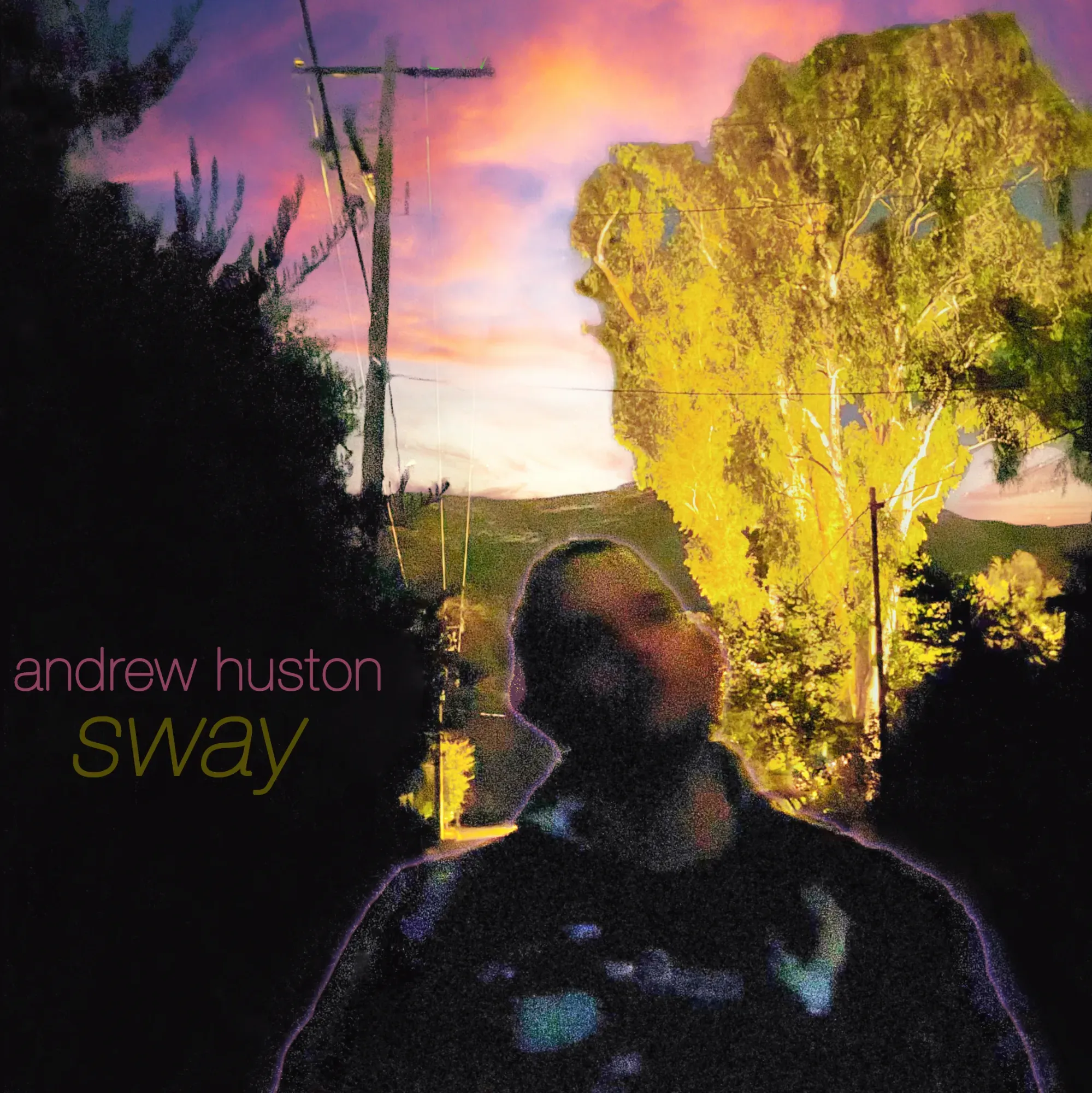
Andrew Huston left Philadelphia for Long Beach roughly two years ago after years of playing in local bands and releasing a steady sequence of solo records, plus one with The Waders. The distance did not interrupt the writing. It supplied the new surroundings that SWAY keeps returning to. Made with producer Stephen Cunningham at Dream Machine Studio, the album is essentially a two-person job. Huston plays drums, his first instrument, along with bass, guitar and lead vocals. Cunningham handles the remaining guitars, keyboards, synthesizers and piano. Recorded, engineered and mixed by Cunningham and mastered by Daniel Eaton at Little Castle Mastering, the ten tracks form the tightest frame Huston has given his songs.

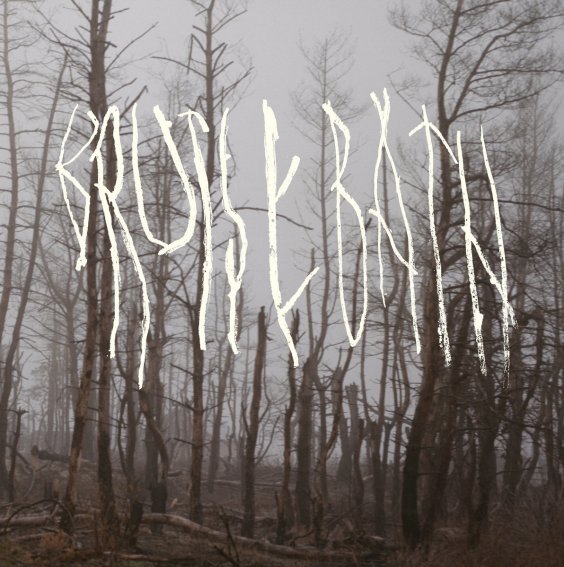
Consider the way certain trees along the Southern California coast meet the Santa Ana winds. They do not lock their trunks against the force. The roots stay deep while the upper growth yields, and the tree remains where it was planted. SWAY treats that mechanical fact as a working method for people. The album is concerned with the practical labor of leaving relationships built on guilt, codependency and held resentment, the disorientation of isolation when the weather outside is bright, and the temporary relief that arrives when the temperature drops enough to clear the mind. Huston names the principle outright on the title track. “Sway like the trees / Adapt in time, move with the breeze / Set your roots deep / And bend, not break, life’s hard to please.” The line is less metaphor than instruction, and the rest of the record tests it against specific weather.
“Eggshells” opens inside a relationship constructed on love and guilt, the kind that requires constant measurement of every step. The jangling guitars stay contained at first, matching the careful pace, then open into denser, reverberant layers once the silence breaks and the sound is allowed to set him free. The voice stays close and measured through the early verses, then holds longer notes once the decision settles into the repeated refusal to walk on eggshells anymore. “Like Halloween” reaches further back, to the early months of 2020 when masks made everyone look the same and Tiger King filled the empty hours. The invitation to put on a mask and feel the same begins conversational, almost idle, before the organ and saturated guitars turn the chorus into a shared release. “Never Want To” stays inside the loop of resentment that poisons every rhyme and turns both people to stone. The drums and bass push without pause while delayed guitars build a thick wall. The repeated claim that he should never want to do the thing he just wants to do rides that tension until the long instrumental close lets the pressure finally move.
The coastal songs keep the same dynamic contrast while shifting the landscape. On “Ocean Drive” a bike ride along the sea lets worries melt. Clean, ringing guitars sketch the horizon before the full band arrives, and the held “’til I see” merges with the rising layers so the voice feels carried by the same breeze it describes. “California Rain” walks the quiet streets when the golden sands are crying and the palms bow their heads. A palm-muted start and straight rhythm match the night walk, then the jangle cuts through on the choruses. The voice stays near in the verses and gains firmness on the claim that the rain may fall but he will not drift away. “The Fishing Pier” gathers anyone who is lost at the edge of the water. Acoustic guitar sets a slow, wave-like pace before electric layers and soft distortion widen the space. Paige Williams joins on the invitation to leave a space, and the calm delivery makes the simple act of tying a line feel like shared acceptance rather than solitude.
“Ankle Brace (Where Are Your Friends?)” refuses the role of permanent support for someone who has already driven everyone else away. Filtered verses tighten the space, then distorted guitars open on the question about the friends who walked. The voice moves from restrained to open with a mix of irony and relief on the line about not being the brace for on and on. “Don’t Cry” chooses not to waste happiness on what cannot be changed. A brief synthetic spark leads into driving bass and drums that refuse to settle into regret. The voice doubles on the refrain, then returns after the wordless passages with urgency once the decision is clear. “Minnesota Snow” steps out of the California weather into twenty degrees of clarity. Acoustic guitar and handclaps open into a fuller push, with Emma Stotts joining on vocals. The doubled lines and bright jangle turn the cold into the condition for repair. The sugar shack, the barn and the trails down to the coop become concrete places to meet and end the loop.
Throughout, the production keeps the movement audible. Contained verses give way to open, reverberant choruses and long instrumental tails that let the feeling expand without rushing it. Huston’s phrasing stays conversational until the moments that require hold, so the recovery never sounds performed. On the closing “Sway” the clean guitars and swaying rhythm hold the verses, then the drums and layers fill once the storm has been weathered. The voice stays warm and unforced, settling on the repeated claim that life will blow you away but we are here to stay. The album listens like a record that has already done the work of planting the roots and learning the motion. The weather keeps arriving. The songs stay put.