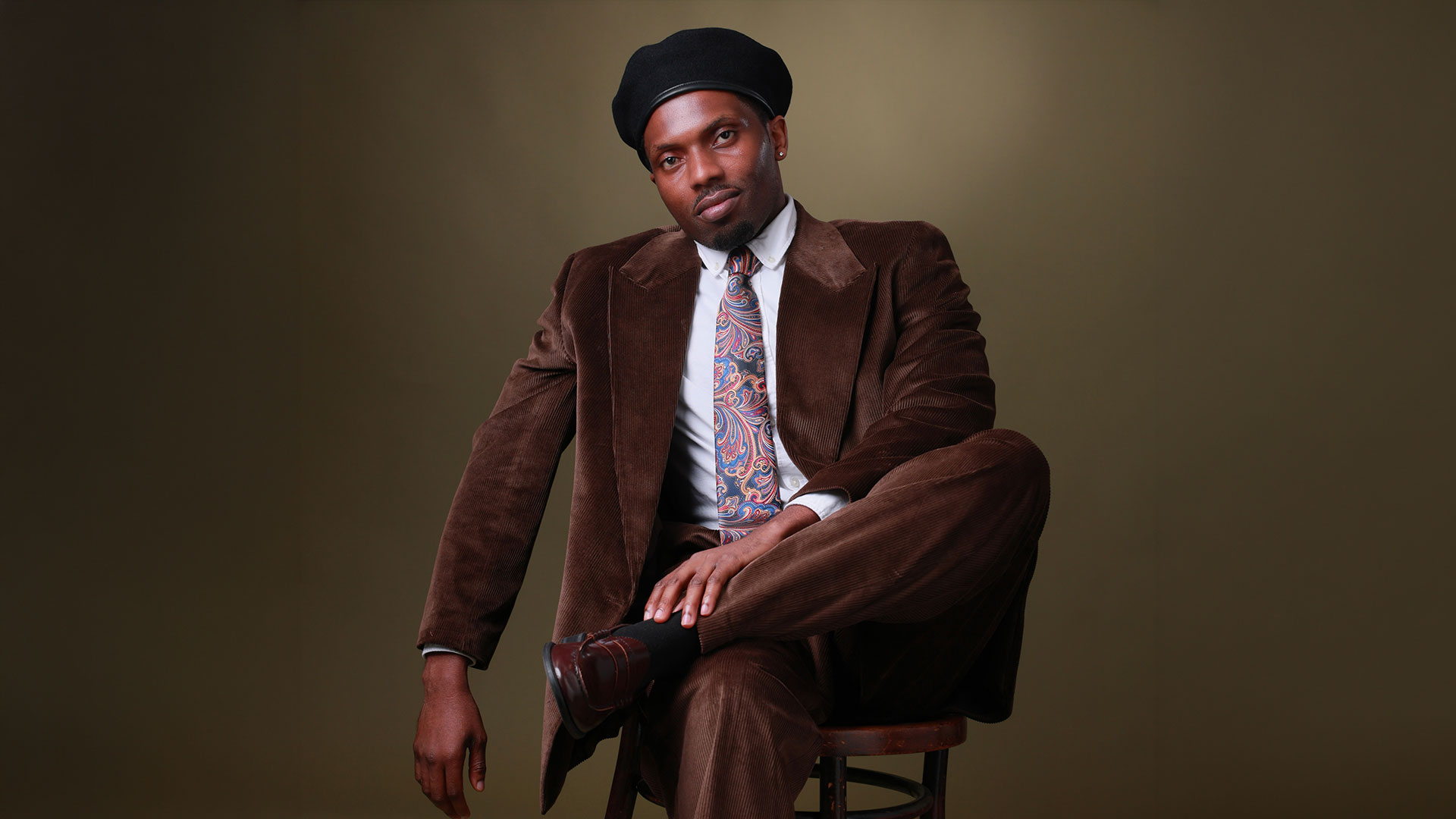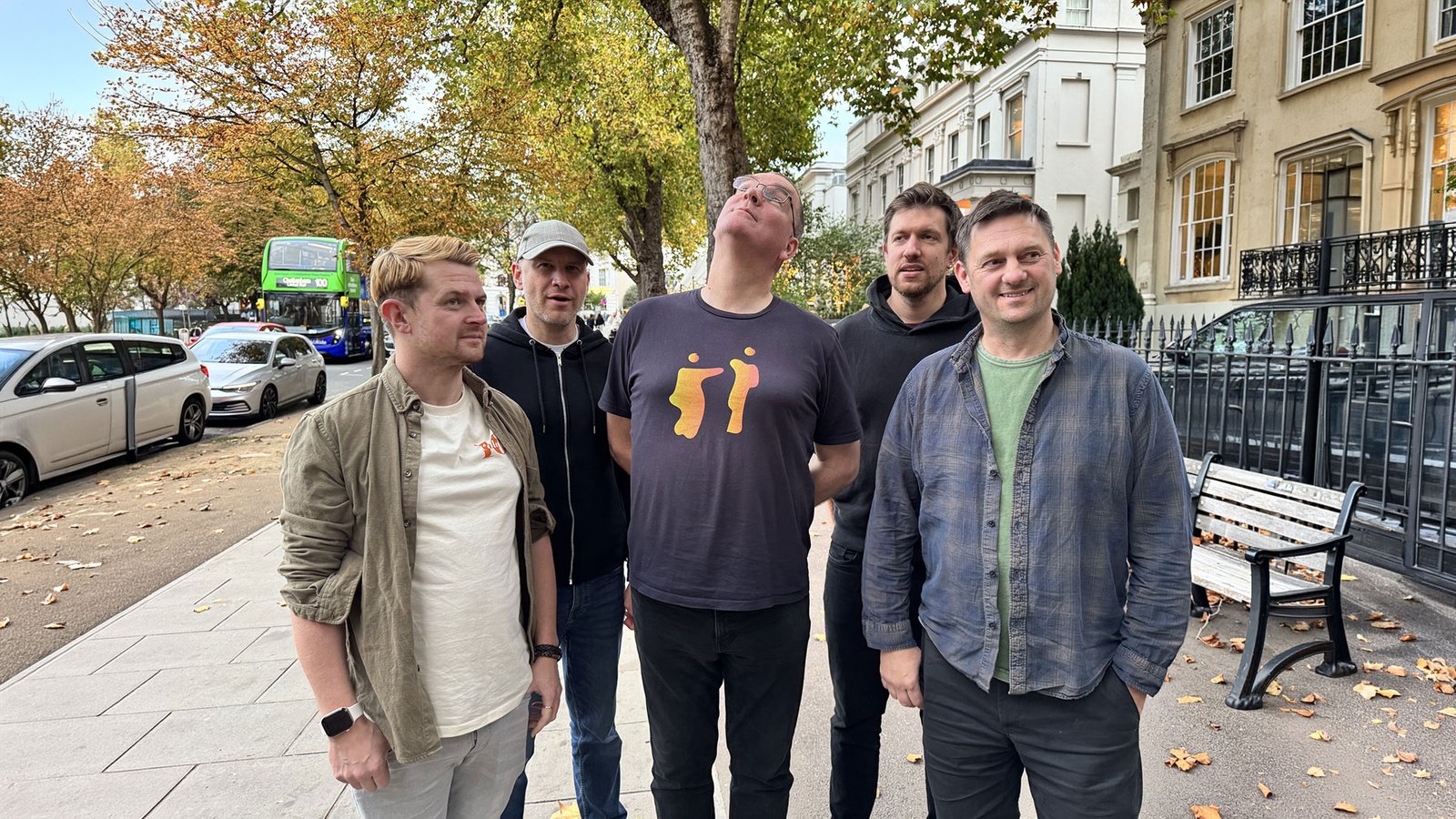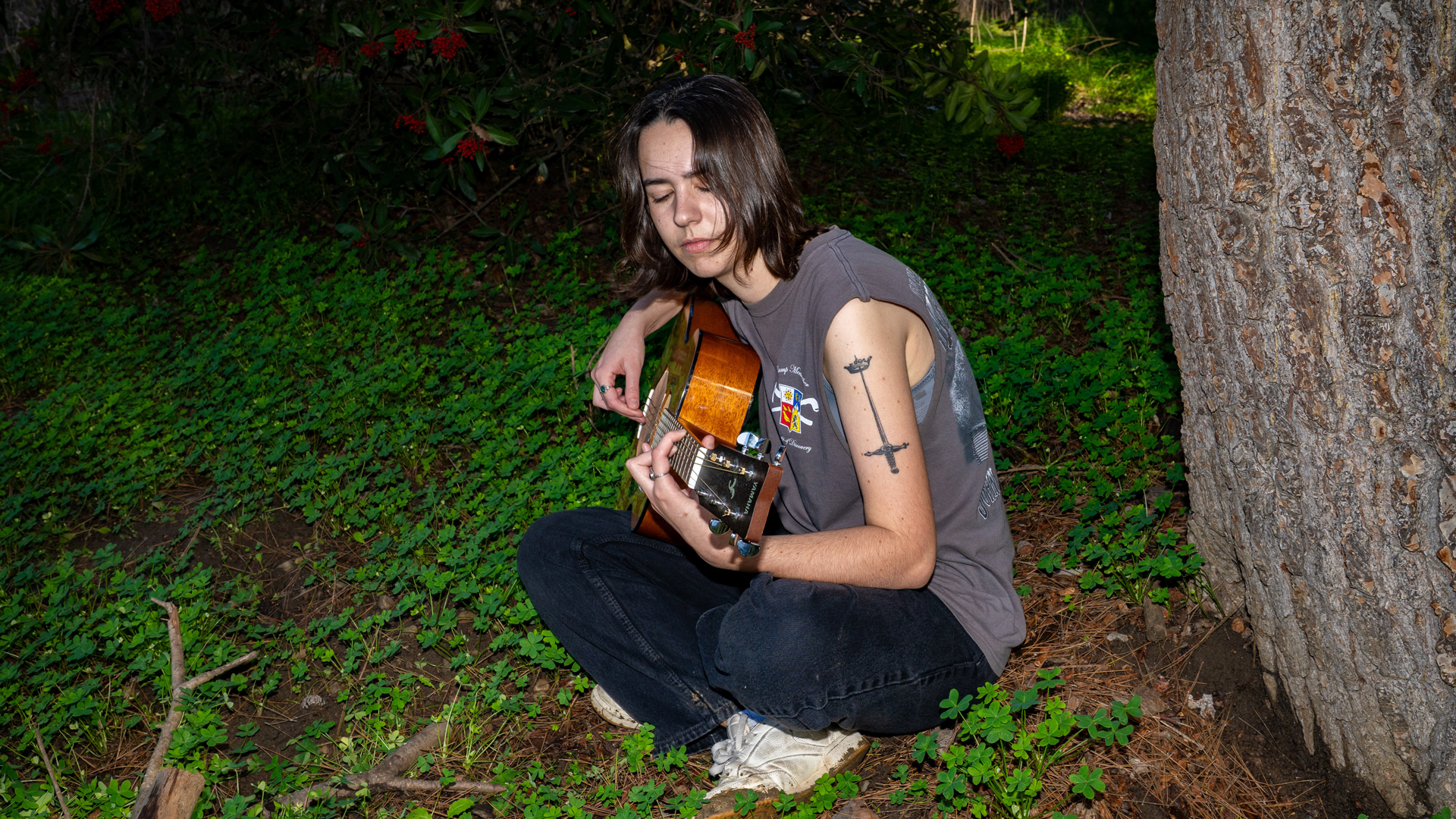
Glassblowing begins with a gather: a blob of molten glass on the end of a blowpipe, glowing like a small sun. The gaffer turns the pipe constantly, or the glass sags and drips. An assistant waits with the punty, a solid rod that will hold the piece when it is transferred from the pipe. The punty is tipped with a small blob of molten glass called a bit, which sticks to the piece so it can be passed from pipe to rod. The two work in silence, reading each other's shoulders. Every bubble, every flare, every constriction comes from breath and rotation, from a team that has repeated the same motions so often they can shape a form without a drawing.
Anna Butterss, John Raymond and Ben Lumsdaine have spent more than ten years building the same kind of trust. Butterss, who plays in SML and Jeff Parker's ETA IVtet, first crossed paths with Lumsdaine as a student in Bloomington, Indiana. Raymond, a trumpeter, released Murmuration Without End in 2023. On Beginningless, out now on Northern Spy Records, the three walked into a studio and recorded live, with no pre-written material. The 37 minutes that survived were cut largely on acoustic instruments, and the music is built around repeating figures, the way a glassblower keeps the pipe turning while the form appears.
The record represents a deliberate trust in the moment over the score. I hear it as a step away from the busier group work Butterss is known for, into something more fragile and more exposed. On the title track, Beginningless, Butterss and Lumsdaine both play rhythm, so the groove feels like a single organism, without a start or a finish. That is where the glassblowing analogy holds hardest. A gather of glass has no beginning either; it exists only in the turning.
Parallax is the hinge. I keep coming back to it because the thick distorted bass and restrained trumpet sound like a gaffer and assistant trading weight. The drums chug and skitter underneath, and the whole thing stays patient, never exploding. Pacific is the other moment to start with, where the playing leans toward near-chaos but keeps a hidden method. Very Large Numbers comes earlier and earns its place through the same repeating figures that hold the whole record.
What holds the album together is the trust in the turning. Faced Round opens the door and Sideways closes it, but the real work happens in between: Very Large Numbers and From the Corners build the core, Serene lets the breath out, and Open Wide the Big Arms holds the album's widest stillness. These titles carry the argument better than any liner note could.
To my ear, the record leans toward patient interplay, even at its wildest. The production is hazy and spacious, with electronics used only for delay and filter effects, a light breath on the glass. The thick distorted bass keeps me pressing repeat. The restraint keeps the room audible: I hear the space between the drums and the trumpet, the slight hesitation before a new figure arrives, as if the three players are deciding in the same breath. The delay and filter effects stay in the background, never taking over as a lead voice.
This is a record for the listener who loves to hear decisions being made in real time. If you already know Jeff Parker's ETA IVtet, start here and then go backwards through Butterss's work in SML. John Raymond's Murmuration Without End is a close neighbour. Play it late at night, on headphones, in a room where you can watch the smoke from a candle drift. Start with Parallax, then Pacific, then go back to Faced Round for the full arc. If you need a hook, a vocal, or a quick resolution, leave this one alone.
The record's only weakness is its length: at 37 minutes, it feels complete, but I sometimes wish the trio had let one of the slower pieces stretch another five minutes. On Open Wide the Big Arms, I keep hoping the piece will find one more turn. That is a small complaint, because the restraint is the point: the 37 minutes hold together as a single held breath.
When the last note of Sideways fades, I picture the three of them standing in the studio, the way a gaffer and his team stand back from the annealing oven, watching the piece give off its last heat. The record ends, and the glass is still warm.