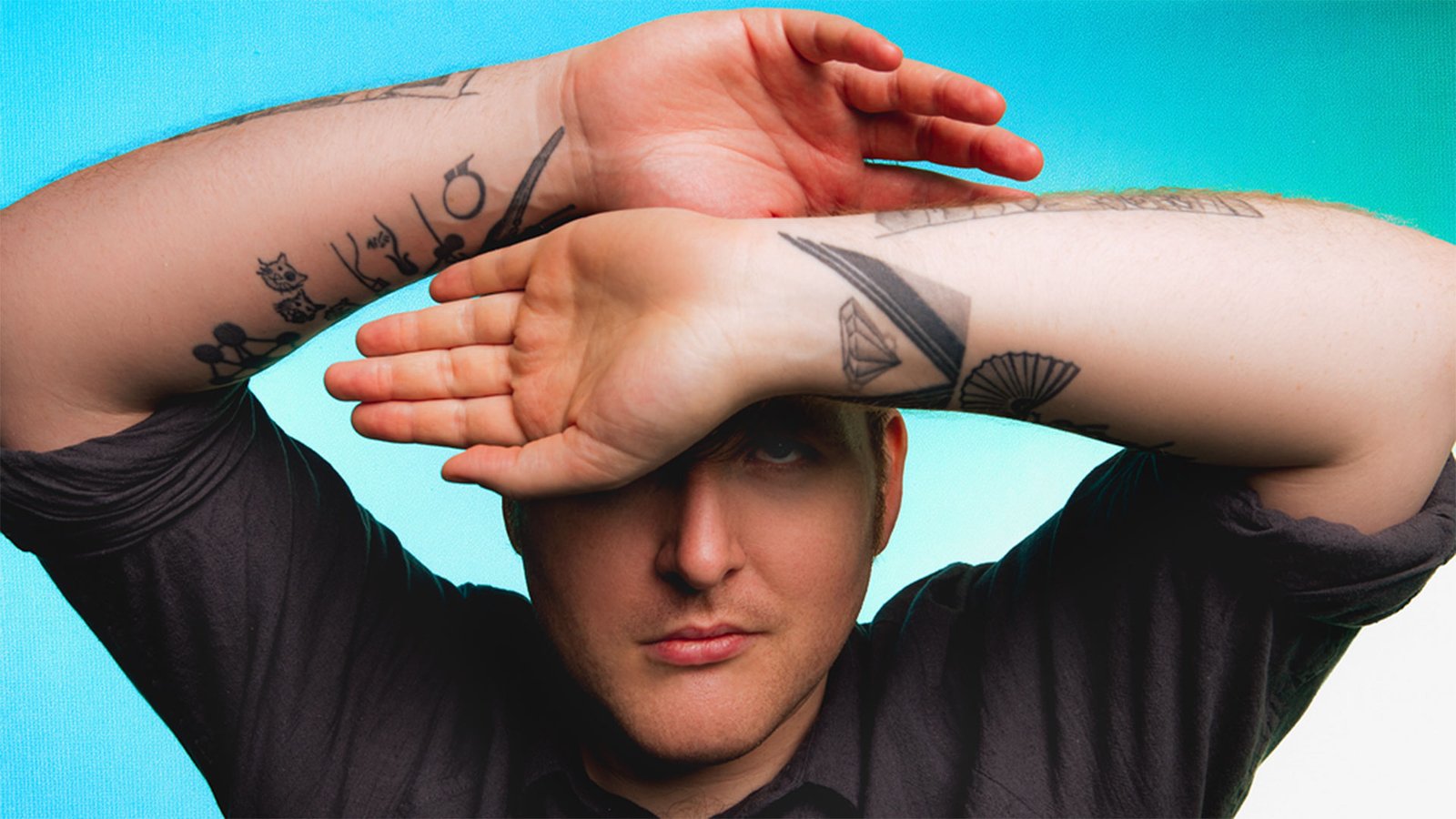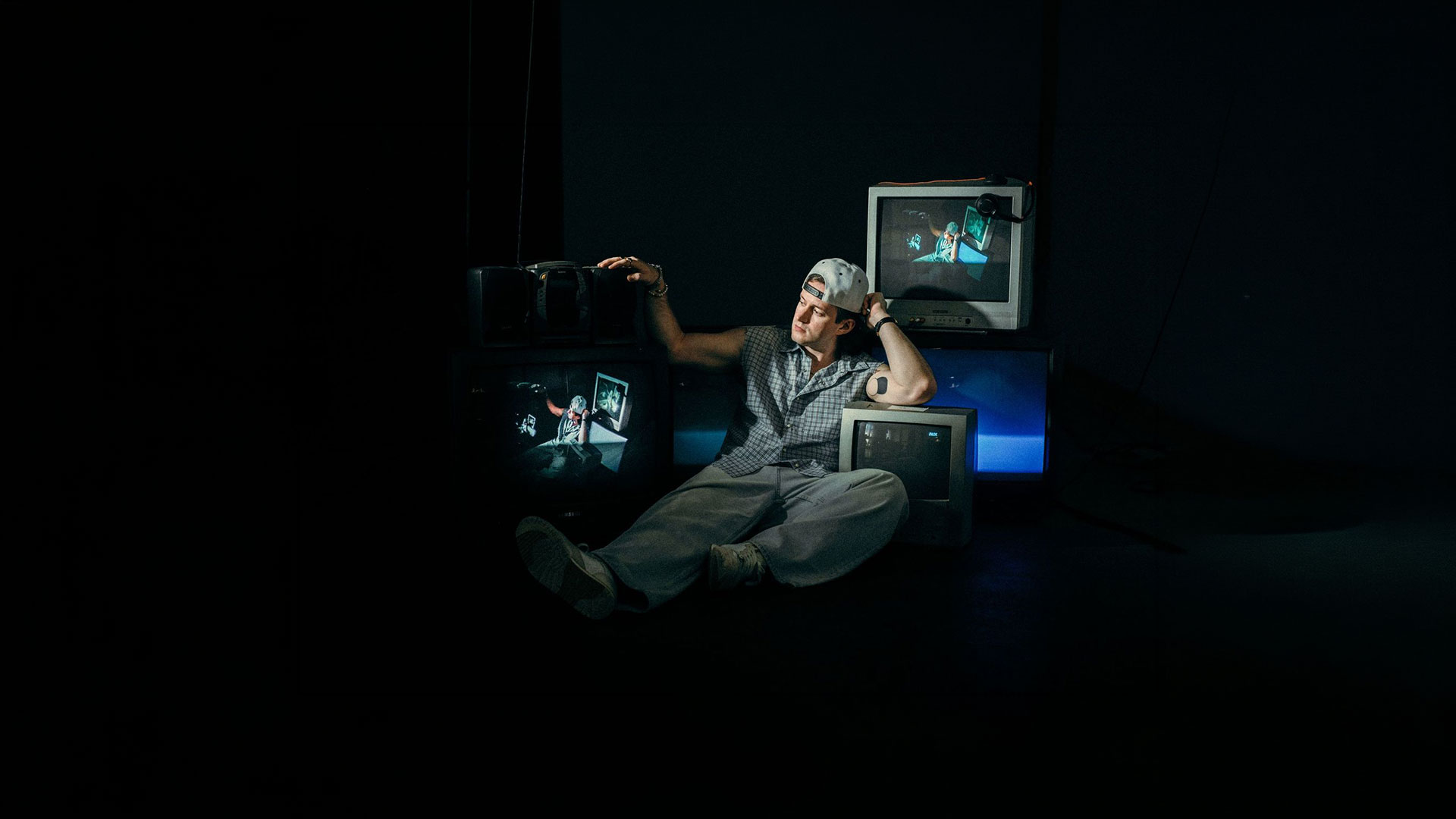
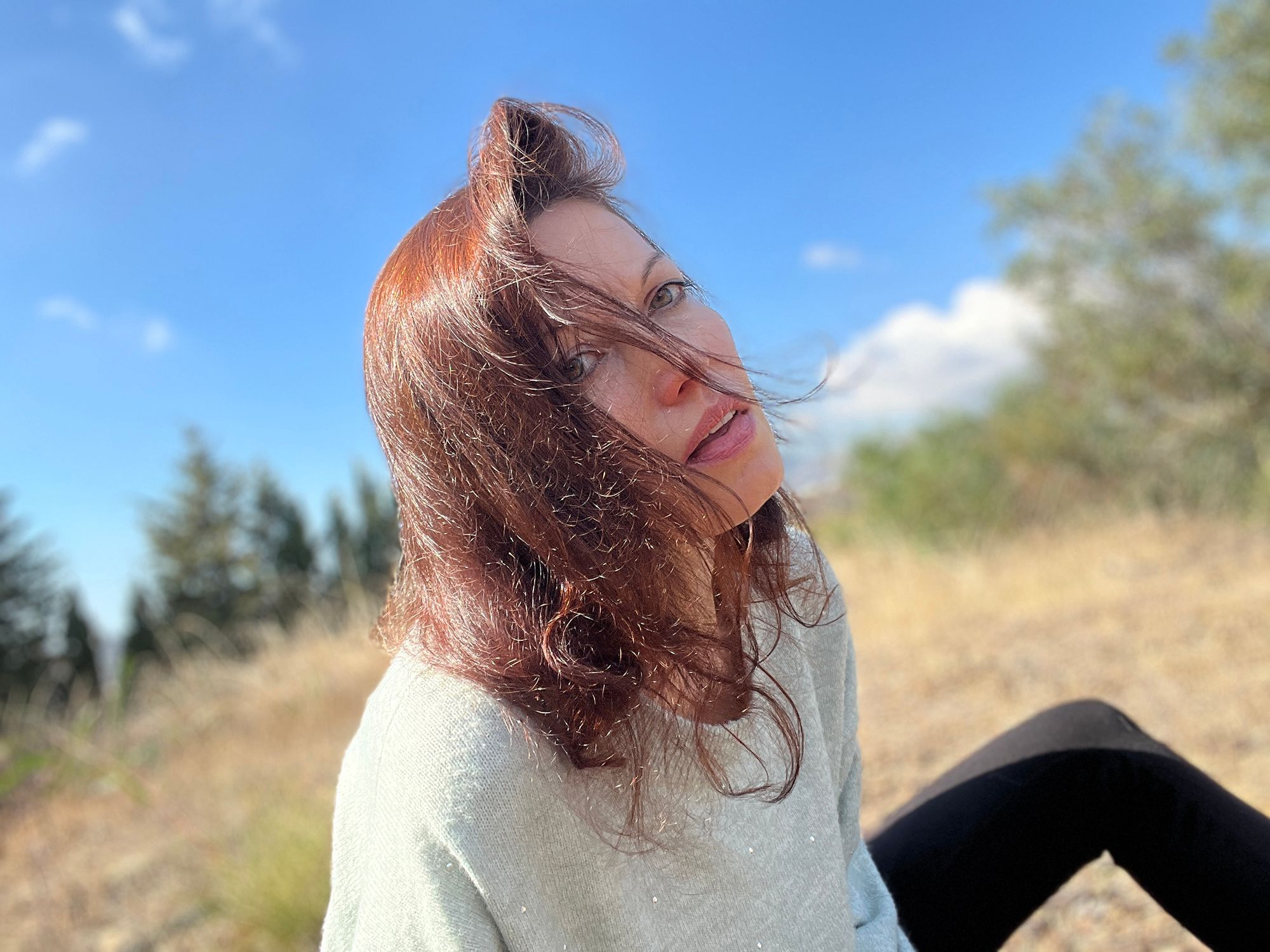
Lana Crow writes from a position that has already absorbed several crossings. Born in Kazakhstan and trained early on piano, which she then set aside for years of other work, she returned to songwriting after settling in southern Spain. The path runs through the 2024 debut I Will, the 2025 album Live It, and this year’s In Spirit. Rise continues that line of inquiry, but the questions have sharpened. The record no longer simply maps personal weather. It looks at the weather systems that currently reward a person for hating the conditions of their own existence.
In certain corners of the present, the highest available status is awarded to those who can indict themselves most thoroughly. Self-accusation functions as currency. The more complete the rejection of one’s background, the higher the credit. Rise takes that economy seriously rather than mocking it from outside. It listens to the voice that sells the transaction, records the moment the buyer begins to enjoy the debt, and then follows what happens when the payments stop. The last five of its seven tracks form a single arc from the first refusal of self-hate, through the possession itself, the forced reopening of doubt, the presence that does not require performance, and the ordinary morning that follows.

“Out Of This World” begins with the shock of a new life. “The moment I first saw you / It shattered my whole worldview.” The promise that follows is practical: “I made a promise there and then / To never hate my life again.” Acoustic guitar keeps the verses close, almost domestic. Synth layers and a fuller kit open only in the chorus, giving the private commitment a larger room. The voice stays near at first, then lifts without theatrical strain. What registers is the decision to stop hating one’s own life so that someone else might live without inheriting the same hatred. The track treats parenthood as the first, non-negotiable refusal of the closed system that later tracks will name.
“Possessed” lets that system speak. The verses arrive as instruction: “You do not need them, I am the only one,” then the direct offer of moral elevation through self-rejection: “Go on hate yourself, go on hate your race / It makes you look great, it’s your holy place.” A clear piano arpeggio opens the piece. Once the electronic pulse and low bass enter, the space tightens. The chorus shifts into confession: “I am loving my victimhood,” the mask going on, the readiness to celebrate another’s death for pointing at one’s own mess. Later the voice thins again on the repeated admission “Because I hate who I’ve become.” The arrangement never caricatures the seduction. It simply keeps the pulse steady while the lyrics show how the same mind can both issue the order and obey it with relief.
“Unknow The Known” sits at the hinge. Clean guitar arpeggios return, then stop-start figures and a tighter kit. When the distorted guitars open, the lyric has already reversed the charge: “Your uncertainty is not a sin / It makes you feel, it helps you see.” The command “Let’s unknow the ‘known’” is delivered with urgency over the full band, then the track drops to the final, almost spoken line “Truth still hides forlorn.” Doubt is no longer framed as weakness or delay. It is the only available instrument once the previous certainties have been shown to operate as fuel for hostility. The sudden silence after the last chorus leaves the listener with the same unresolved truth the lyric describes.
“If You Feel” widens the frame. The verses stay in the desert of searching: “They are hidden in the sand / The sand is hot, it burns my feet,” “The easy answer’s a better drug.” Electronic pulse and atmospheric synths keep the distance. When the chorus arrives, the address changes. The voice that answers does not demand correct feeling or correct ancestry. It states, without condition, “I’ll love you whatever you do / I’ll love you through hardships, it’s true” and “There’s nothing to fear.” After the second chorus a guitar solo occupies the centre, melodic and unhurried, before the final section layers the same assurance in closer harmony. The track does not erase the digging. It simply refuses to treat the digging as the price of admission to love.
“Rise” closes on the morning that becomes possible once the previous transactions have been declined. Piano and a light synth figure sit over an elastic pulse. The lyric moves from “Gold on the horizon / Breaking through the gray” to the repeated claim “It’s yours to have, it’s your field of gold.” The chorus is simple and repeated: “Rise and shine, babe / Rise and shine.” Voices stack on the later passes, giving the line the quality of a shared instruction rather than a private pep talk. Near the end the arrangement thins before the final return, so that the line “No day is ever wasted in this crazy realm” lands in open space. The track earns its brightness because the preceding songs have already accounted for the cost of the opposite posture.
Across the release the production keeps the same logic. Verses remain comparatively dry and close. Choruses expand into layered synths, electric guitars and fuller drums. The voice follows the same movement, beginning near and slightly guarded, then opening into a clearer, more sustained delivery once the lyric has named what is being left behind. Nothing in the writing flatters the listener for already knowing the right answer. The songs simply record the sequence: the first private promise, the pleasure of the mask, the necessity of uncertainty, the love that does not require the mask, and the ordinary day that can be claimed once those steps have been taken. Rise holds its attention because it treats the current market in self-accusation as a real structure with real rewards, then shows, without slogan, what the exit actually sounds like.