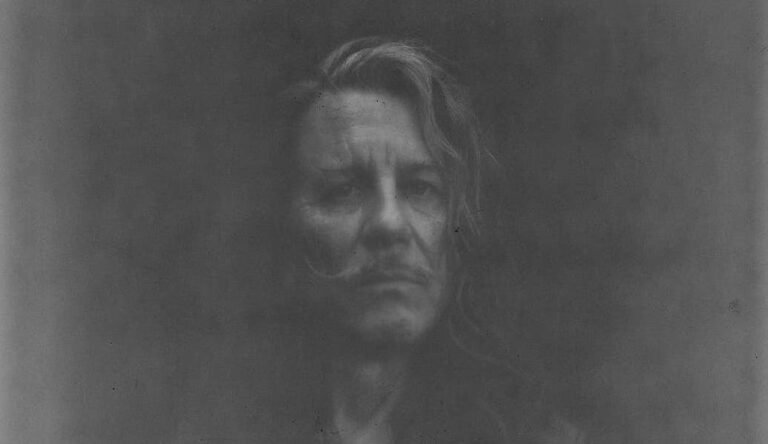
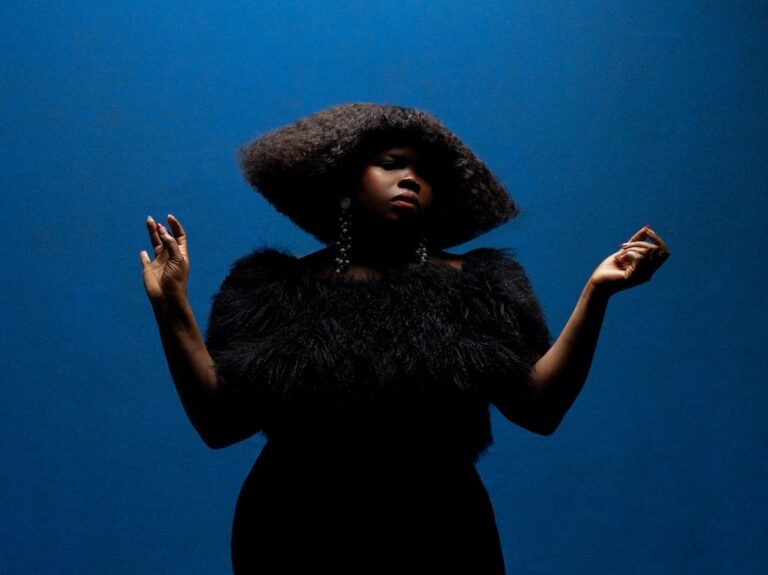
Billie J Woolf releases ‘Dumbo’ today. The track arrives as the first statement from a theatrical art-rock project that treats identity as fluid material and breakdown as creative ground. Issued through Not Saints, the UK’s only not-for-profit record label dedicated to sobriety and recovery, the single carries an immediate sense of purpose. It refuses the compressed formats that dominate streaming and instead claims space for deliberate escalation.
Quiet piano passages open the piece. They establish a measured pace before Bowie-esque guitars and cavernous, bounding drums enter the frame. Woolf’s voice begins exposed, situated in negative space that feels almost conversational. From there the arrangement expands. Layers accumulate with precision. What starts intimate grows dense and finally reaches a mighty climax that feels earned rather than imposed. The six-minute duration never drags. Each section advances the narrative of a mind engaged in its own performance.
Billie J Woolf operates as a vehicle for lyrical theatre and surreal introspection. The project sets out to awaken the ordinary by challenging fixed self-narratives and celebrating the fluidity of identity. In ‘Dumbo’ this intention becomes sonic. The music traces the psychology of performance: the moment when the self steps onto an internal stage, aware of its own artifice yet unable to step away. Glamour and collapse sit side by side. The track finds aesthetic weight in that tension, refusing to resolve it into tidy resolution.
In a cultural moment that prizes certainty and polished surfaces, Woolf locates value in decay and authenticity. The single treats reflection as performance and personal fracture as artistic resource. This approach aligns naturally with the mission of Not Saints. The label exists to support musicians in recovery, creating pathways that bypass the traditional triggers of the music industry. Here sobriety does not limit expression. It sharpens focus. The result is music that feels lived rather than performed for effect. ‘Dumbo’ demonstrates how the act of making can itself become a form of awakening.
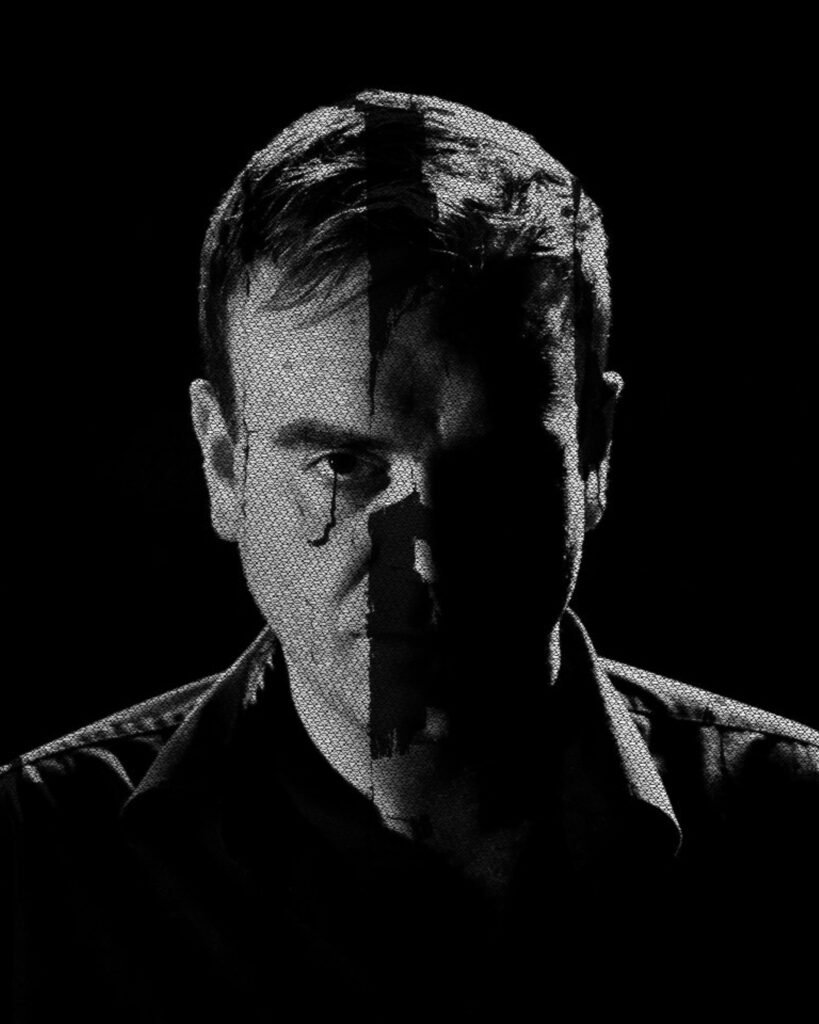
The single’s cover art reinforces the same duality. Rendered in high-contrast pink and deep purple tones, the stylized portrait captures an intense, direct gaze set against a fractured backdrop. The typography feels deliberate and slightly worn. It signals the same aesthetic that runs through the music: controlled elegance placed in conversation with visible wear. Live appearances in Brighton, including sets at The Folklore Rooms, have already shown Woolf’s capacity to translate this vision to the stage. The recorded debut now extends that presence into recorded form.
‘Dumbo’ lands at a moment when many listeners seek music that respects duration and emotional range. The track does not chase immediacy. It builds a world that rewards repeated attention. In doing so it carves out territory for songwriting that values craft and natural instrumentation over algorithmic brevity. Not Saints provides the ideal home for this approach. The label’s commitment to sobriety and community creates conditions where artists can pursue ambitious work without the usual industry pressures. Woolf’s debut single stands as early evidence that such conditions produce music of real substance.
The release marks the beginning of a catalogue that promises further exploration of identity, performance and the beauty found in ruin. For now ‘Dumbo’ offers a precise introduction to an artist who understands that the self is never fixed and that art emerges most powerfully when it embraces its own fragility.