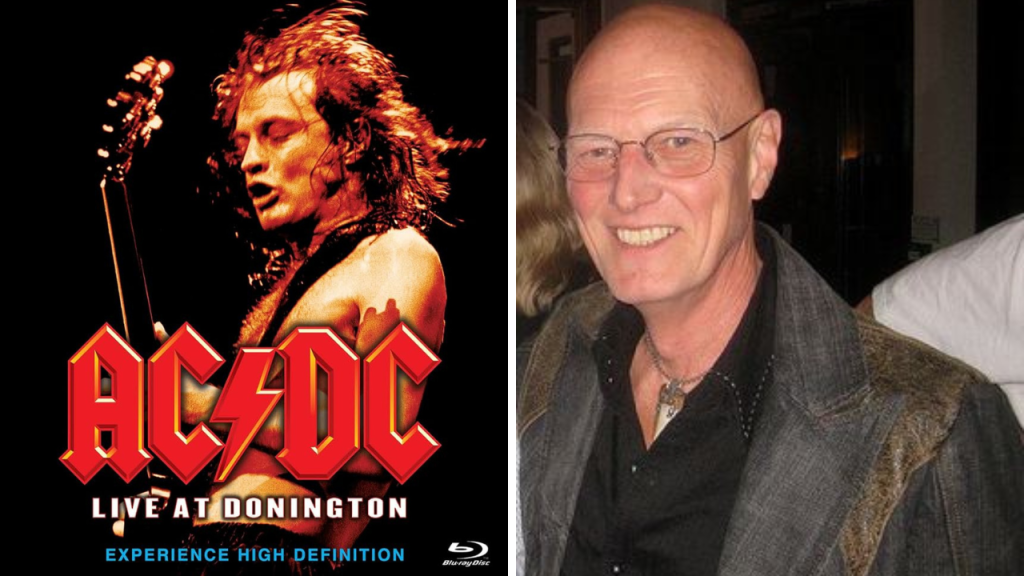
The popular image of Bon Scott is a fossil, preserved in denim and a devilish grin. He is the rock and roll casualty, the lived-in face of excess. This simplifies a trajectory that was, in its professional chapter, remarkably concentrated. He joined AC/DC in 1974, already 28, an age when many of his peers were peaking or fading. What he brought wasn't just experience, but a specific, galvanizing energy.
Angus Young noted the contradiction. Scott arrived late, but carried a relentless, youthful charge. This wasn't the naivete of a teenager. It was the velocity of someone who had finally found his conduit. His previous musical ventures, from pop to prog, had been rehearsals. With AC/DC, his rasp became a precision instrument, turning double entendres and streetwise vignettes into anthems of pure release. He wrote with a playwright's ear for character and a poet's economy.
The stories of his generosity with younger bands, pulling out wads of cash for a round of beers, fit this portrait. He wasn't a distant star. He was a seasoned participant, a ringleader who understood the ecosystem. His persona on stage and in song was larger than life, a roguish archetype. Offstage, by many accounts, he was sharp, loyal, and acutely aware of the machinery around him.
His legacy, therefore, is one of intense focus. The Bon Scott era of AC/DC lasted just under six years. In that short, prolific window, he helped define the band's immortal blueprint. He channeled a lifetime of observation into a sound that was, and remains, fundamentally direct. His work embodies a potent idea: that timing is not about age, but about alignment. He arrived exactly when needed, and ignited everything.