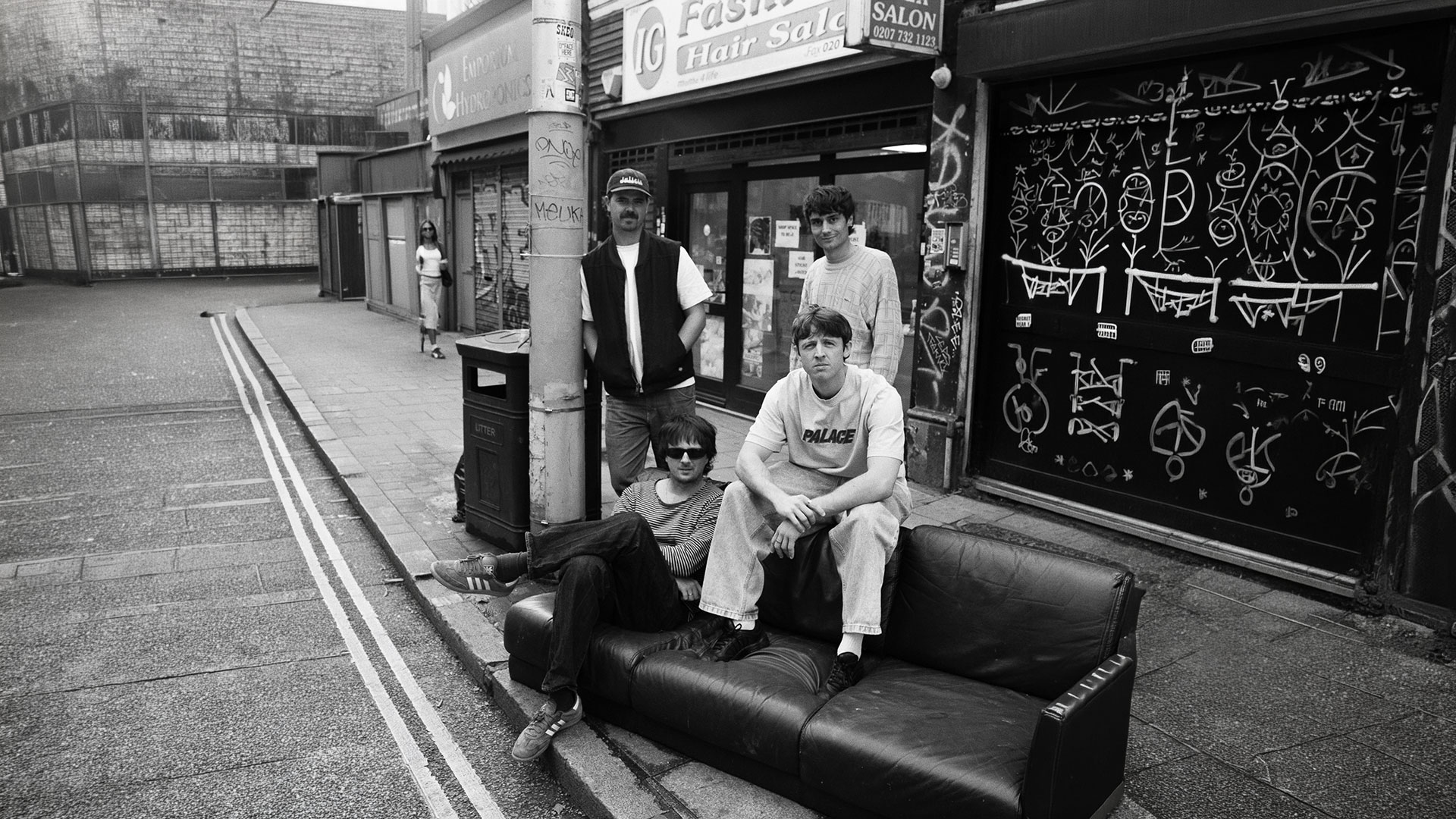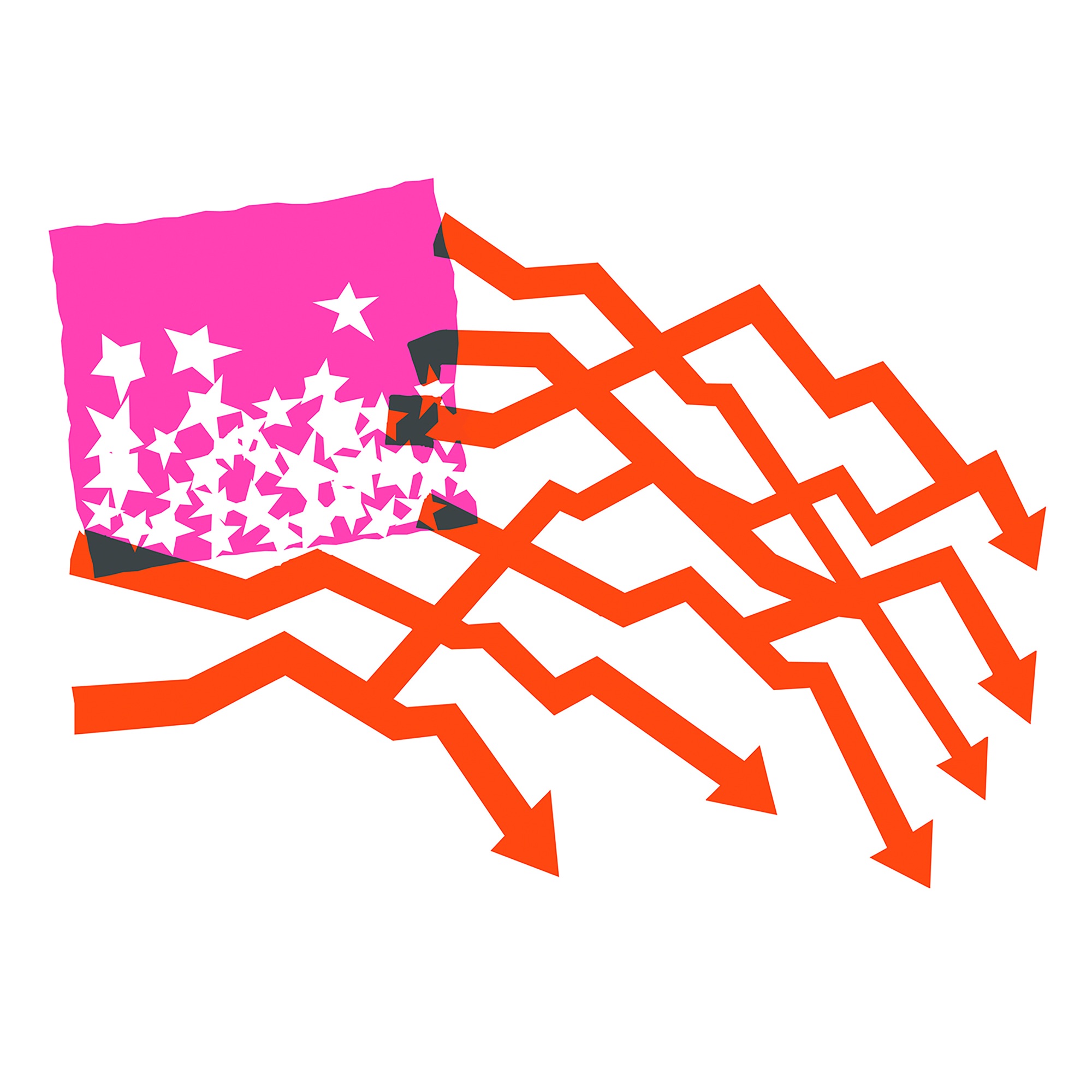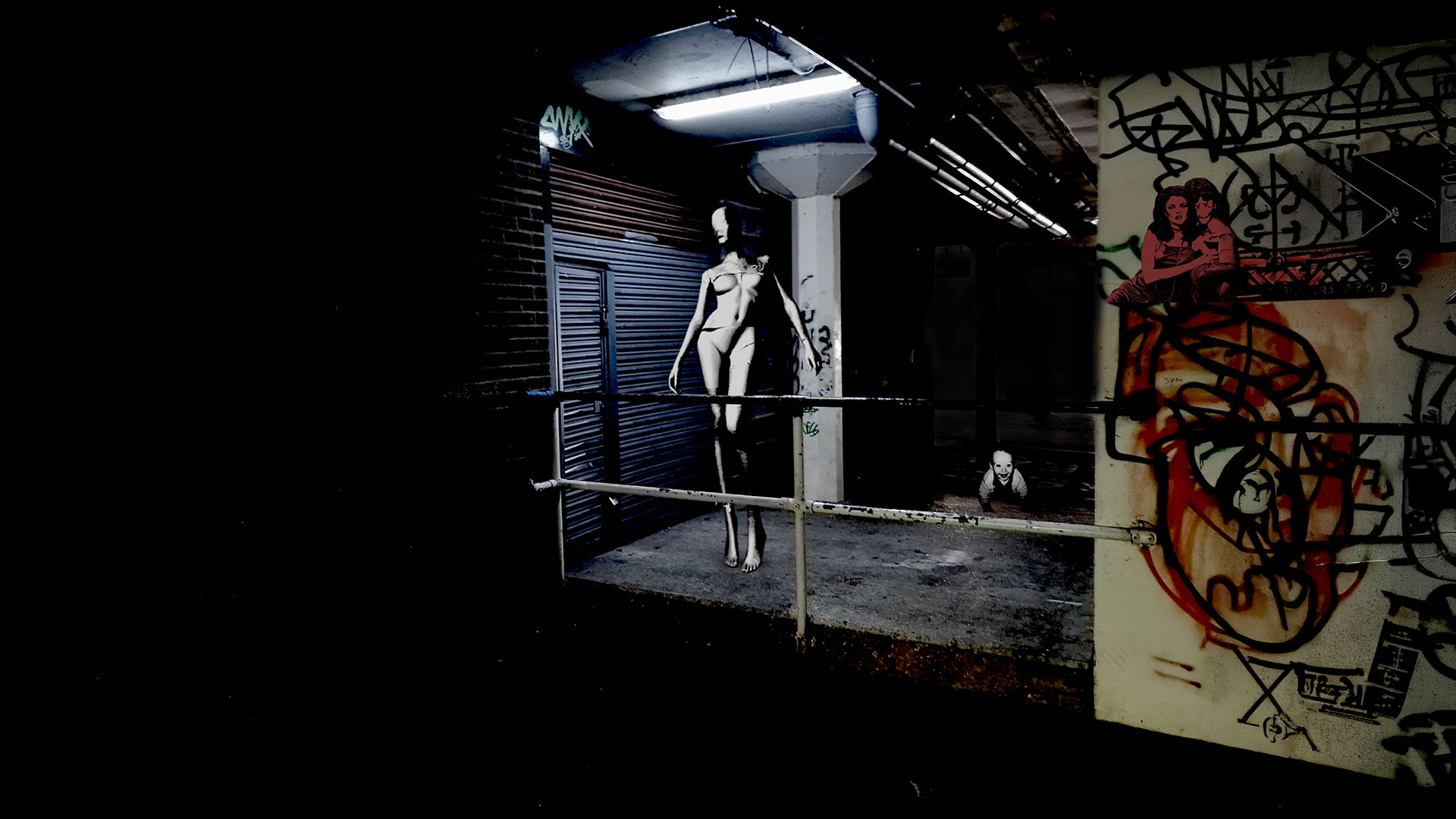
In the geological record, petrification begins when an organism is buried. Soft tissue is replaced, molecule by molecule, by minerals until only the outline remains. The shape is preserved. The life is gone. Butchered Blues is the Kent-based studio project of Tom Dowling, the sole permanent musician, who completed a PhD on Hegel and reification at the University of York in 2025 after earlier degrees in commercial music and music education. He became a qualified HGV driver the same year. The project began because there was no money for a permanent band and no friends available to play the material he already had. He took the songs to Magpie Studios and The Joplin House outside Ashford, played every instrument except the drums, and released the debut single My Angel Is an Only Fan Girl on 31 July. The name nods to Kasabian’s Butcher Blues. The work itself treats the process Dowling studied academically as something that happens to a body and a coastline in real time.
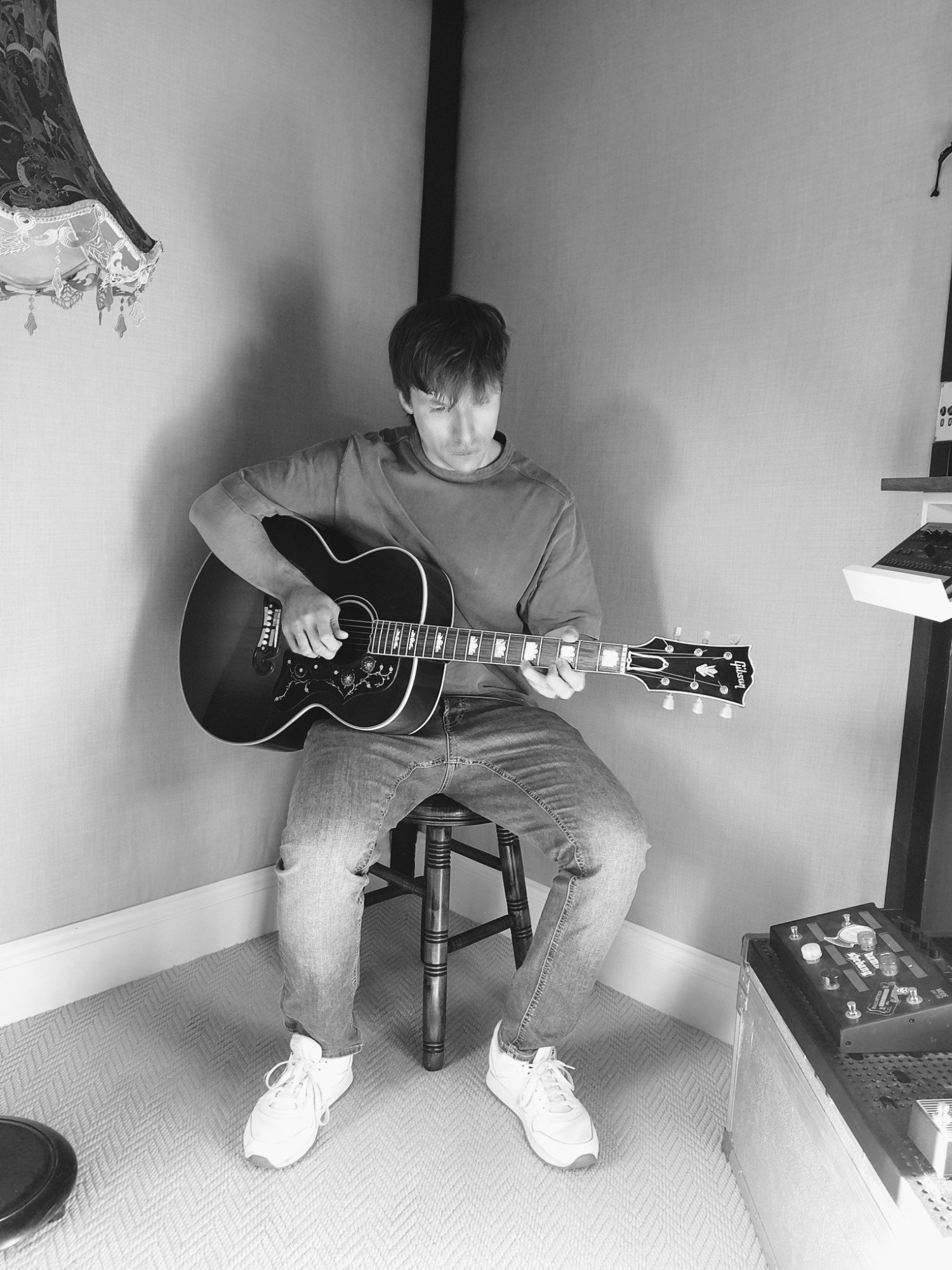
Reification is the hardening of social relations into things. On When We’re Turned Into Stone the process is audible. “Eudaimonia” opens with the brief interval before the minerals set. Dowling wrote the song in Clerkenwell in 2017 while living in a gated student community and finished the lyrics years later after nights in the classics library at UCL. The acoustic guitar sits close enough that the noise of fingers on the strings is part of the track. An electric line answers it. When the drums and bass enter, the arrangement lifts into a bright, open run. The voice stays conversational while it describes staying up until ten to three, browsing in the dark, happily alone, then looking into someone’s eyes and learning to think in a new way. The admission arrives cleanly: “I know I’ll never get to keep ya / But everything right now falls into place.” The long instrumental section after the second chorus lets the solo guitar carry the temporary order before the theme returns. The track holds the shape of a living crush long enough for the listener to feel what will be replaced.
“Gone, again...” makes the replacement literal. Childhood memory of a British coastal town (arcades, crazy golf, ice cream with the sea air) slides under rising water. The acoustic guitar and piano keep a circular step while organ and synthesizer haze the edges. Sudden noise breaks mark the change of scale. The voice stays low and resigned when it asks where it all went. The final verse empties the arrangement so the line “But now I’m gone for good so I needn’t / Be gone again” sits almost alone before the drone wall closes over it. Progress is named as the cost: “And all at the cost of the planet / We once called home.” The track does not argue the climate fact. It records the moment the remembered place becomes the mineral outline of a place.
The same hardening appears in the transactions of “My Angel Is an Only Fan Girl.” Distorted guitars, a driving bass and tight drums build a wall that drops out for a spare riff on the chorus. The voice moves from dry observation to a sharper, almost febrile delivery when the obsession takes over. The lyrics frame the choice as calculation: “We don’t choose, we just get served,” “We get a better deal by opting out,” “She sends specials out to me / And specials out to you / But it’s better than getting laid / Because you’re guaranteed an eight.” The final collapse strips the electricity away. Only a close acoustic remains while the voice repeats the threat “Oh, don’t you ever come back, you bitch / I’ll put you six feet in the ground” until the sound dies. The track shows the affective relation becoming a priced object and then a residue of resentment.
“Socials in Ravenholm” names the mechanism. The opening acoustic is close and dry. Then distorted guitars, saturated bass and hammering drums arrive. The arrangement stops and starts as if attention itself is being cut. Organ enters late and holds a solemn chord while the electricity fades. The voice begins low and almost mechanical on the plastic clones, then turns sarcastic and theatrical for the Marcuse reference (“Herbert, what have you to say to these claims? / Is it all the same / Repressive desublimation you pointed to when you’re in the States?”) before breaking into a full scream on “Our great men are frauds / Competing for stars.” The bubble is described as designed: “When you’re living in the bubble / Self-protected from the trouble.” Forced consumer liberation extends subjugation. The track treats the social feed as the sediment that buries the living relation and leaves the clone.
“Not About You” shifts the perspective to the agent of the hardening. Obsessive acoustic strumming is gradually surrounded by dark organ, synthesizer and strings. There is no drum release. The pressure accumulates. The voice starts with the smooth approach (“Hey, how are you, beautiful / You’re just what we’re looking for”) and cools into instruction (“Keep your face pressed to the ground,” “Repeat what you have seen / Or even try to make a scene / We will send someone / Out to hurt you”). The final push rides the dense string and keyboard mass while the voice rises and repeats “How could you think / This was ever about you.” The arrangement empties again to the acoustic. The track places the listener inside the power that reduces a person to a shell and then denies the reduction had a subject.
“Steed of Silence,” written on Christmas Day 2010 and revised for the project, closes the sequence. Driving drums, electric guitars and organ keep the pressure constant. A mid-section opens into a clearer piano and solo guitar line before the distortion returns. The voice moves from urgent narrative to open warning (“If I were you I would leave right now before you get hurt”) and then to the line that gives the EP its title: “Only come back down when it’s over, when we’re turned into stone.” The coda hammers “Why do we matter? / Why should we matter, given everything we do for you?” until the organ chord holds and cuts. The track does not resolve the hardening. It records the moment the living demand becomes the fixed shape left behind.
Dowling has said the six songs form part of a longer set. On this EP the dynamic contrast (close acoustic detail against sudden electric mass, restrained delivery against urgent or shouted lines, organ sealing the end of several tracks) functions as the sound of the replacement process itself. The living interval is brief. The outline remains. When We’re Turned Into Stone listens to the pressure that produces it.