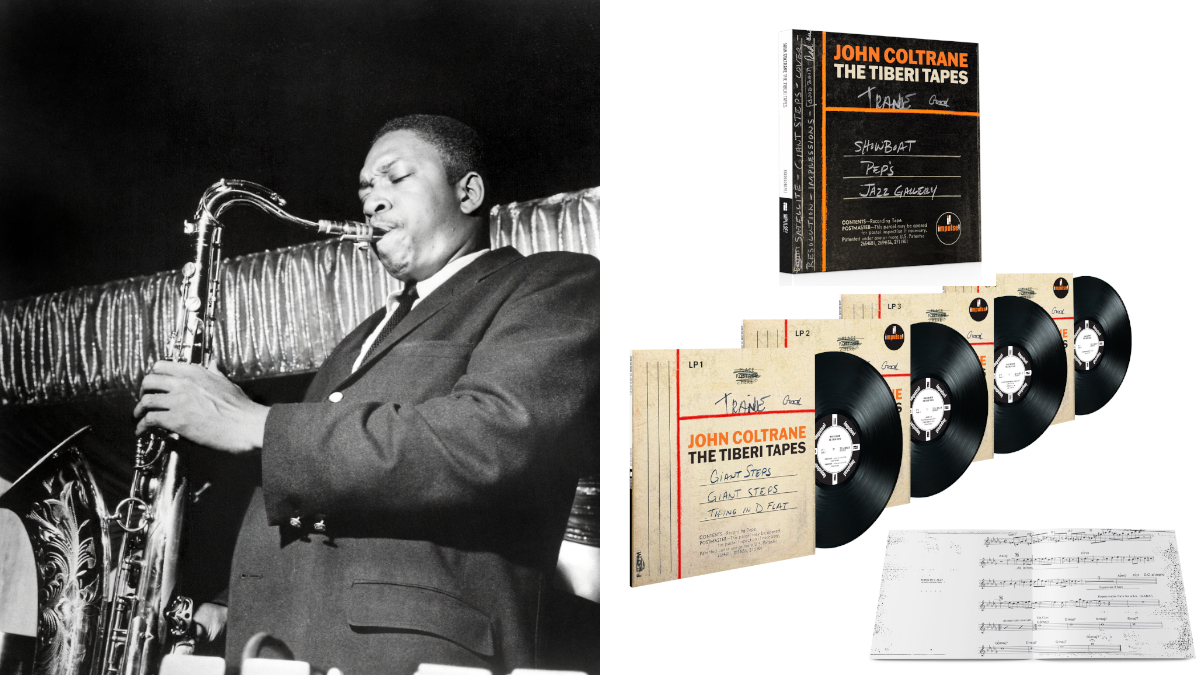
John Coltrane's fabled Tiberi Tapes will be released for the first time on November 6 through Impulse! Records, timed to what would have been his 100th birthday. The standard 4xLP, 3xCD and digital editions carry 11 performances recorded by saxophonist Frank Tiberi in Philadelphia and New York clubs during the early 1960s, alongside a booklet of essays and images of sheet music.
The backstory explains the wait. Tiberi taped Coltrane on a rudimentary consumer recorder so he could study the playing, and for years he let only a handful of listeners hear the results. After Coltrane died in 1967, word of the tapes spread into legend. The announcement leans on that origin: the technology, the label concedes, was imperfect; the music, it argues, was not.
The tracklist is where the story sharpens. Two readings of "Giant Steps" sit at the top, marked at 226 and 262 BPM. A saxophonist learning from a saxophonist would want exactly that: the same harmonic maze at two tempos, the second pushing toward the edge of articulation. Around them sit "Impressions," "Satellite," "Resolution," "Good Bait," a "Thing in D Flat," an "Untitled Original in F Minor" and a "West 42nd St." The set catches Coltrane working through familiar material in front of paying crowds, which is the part a studio date can never supply.
A separate edition goes much further. The Tiberi Tapes: The Complete Recordings holds more than 100 performances, nearly 26 hours, on a custom USB drive with an LP and a hardback book, limited to 750 hand-numbered copies and shipping in early 2027.
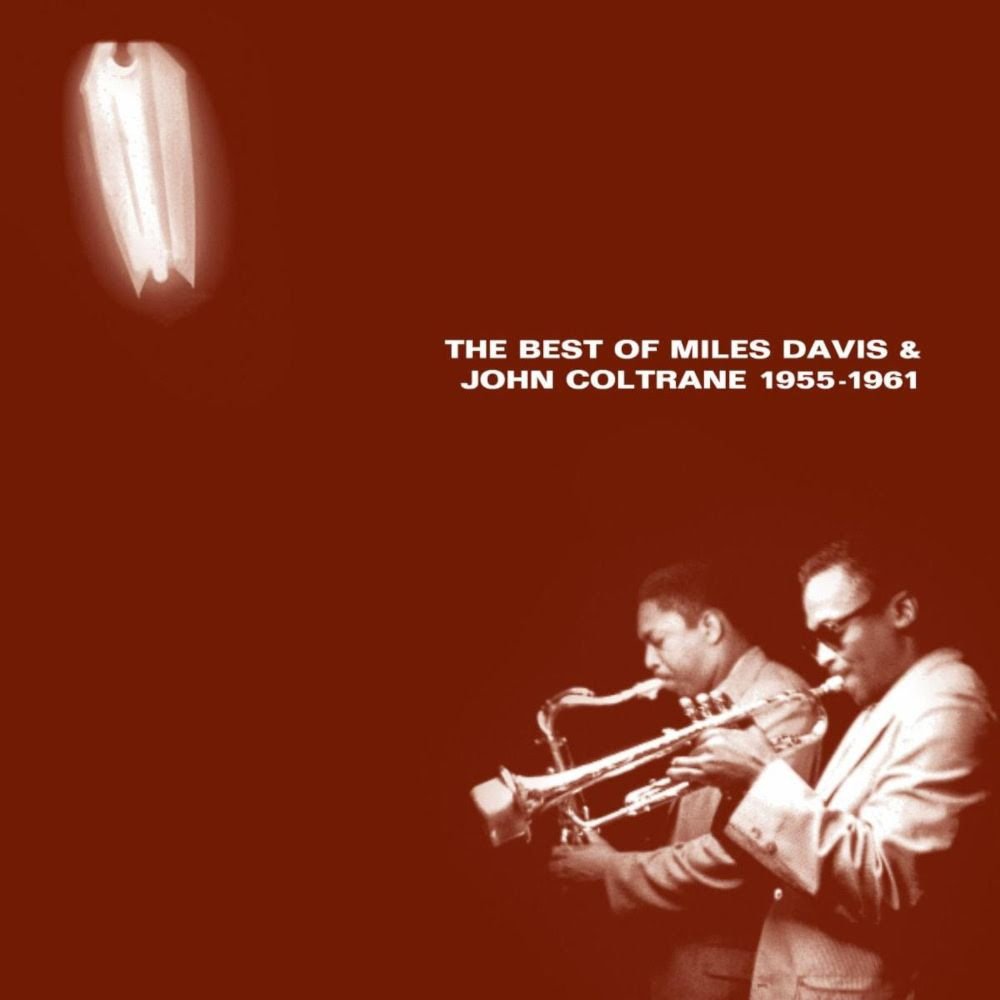
The release belongs to COLTRANE 100, the centennial program that has already pulled archival material back into circulation. Columbia's reissue of the complete Miles Davis and Coltrane recordings from 1955 to 1961 lands the same day, so November 6 puts two versions of the saxophonist in the same shopping cart: the studio collaborator and the club bandleader, documented by an admirer with a handheld machine. Coltrane's catalog, including these tapes, is collected on ROMBO's artist page.
Start with the two "Giant Steps" and listen for breath. Sixty-five years on, the tapes preserve a working musician testing his own limits in a room that had no idea it was being archived.