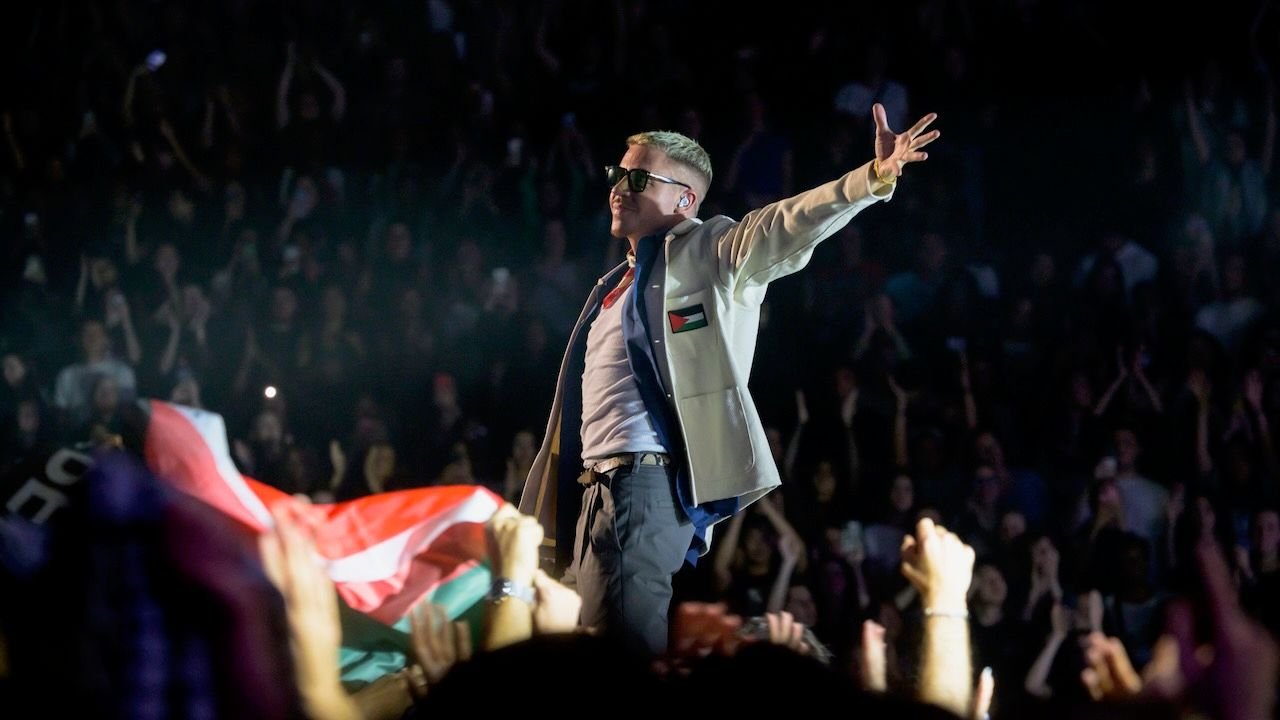
Macklemore says nine major American arenas turned down his Free Palestine benefit tour, and he listed them: Madison Square Garden, Prudential Center, Barclays Center and UBS Arena in the New York area; Intuit Dome, Kia Forum and Crypto.com Arena around Los Angeles; Chase Center in San Francisco; and Climate Pledge Arena in Seattle, his hometown. In a statement posted Friday, he said his team had secured available dates at those rooms through the end of the year, and that the offers disappeared once the venues understood what the shows were for.
"The doors were closed," he wrote. "The conversations were all different, but the result was the same. The shows were not going to be allowed to happen in these venues." He added that in more than twenty years of touring he had never encountered anything like it.
Madison Square Garden's spokesperson gave a different account, telling reporters the building has "some of the busiest venues in the world with extremely limited availability and he's not an arena level act." That is the dispute in its plainest form: Macklemore describes a political refusal, the Garden describes a booking decision. Both claims now sit in public, and the nine venues named have yet to answer individually.
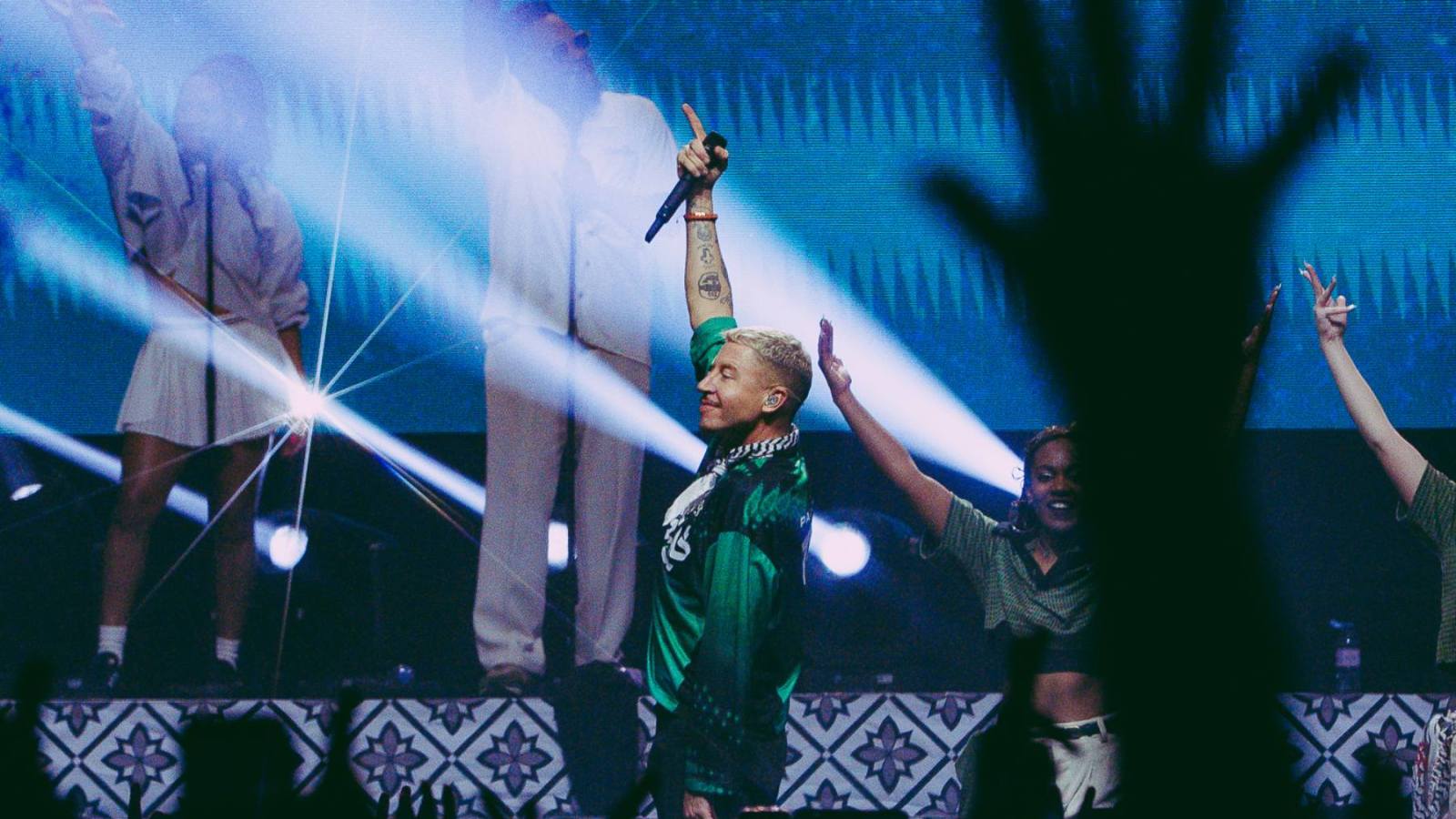
The context runs back to September, when Macklemore was removed as a support act from Ed Sheeran's tour after stadium operators, Robert Kraft among them, objected to his remarks on Palestine. Sheeran's tour lost its shape in the weeks that followed, and Macklemore answered by building his own run: three sold-out nights in Dublin, Paris and London with Hozier, Aurora, Paloma Faith, Kneecap and Portugal. the Man. Paris was the middle of that trio, and the European leg is the template he says he intends to keep working from.
What he is describing is the machinery beneath the show: not a promoter's refusal or a city's permit, but the owners of the buildings deciding which benefit nights their calendar can hold. An arena tour is a chain of such decisions, and a single no can end a routing. Macklemore's answer is to leave the chain behind. "We'll probably just take that shit outside where it belonged in the first place," he wrote, raising the prospect of his own stages and open-air sites.
He also named a regret, that he did not speak publicly sooner, and framed the episode as a familiar cost borne by artists before him. The next move belongs to whoever books the fields.