The Vancouver band’s debut album, co-written by bassist Gabe Jacob Ferman before his death in January, stands as a stark, unaltered tribute to a late member’s artistry.
Vancouver post-punk band DOUR wrote their debut album AGORA as a critique of digital saturation and social decay. Between the recording and its release, the context shifted irreversibly. Bassist and co-writer Gabe Jacob Ferman died in January, leaving the album’s nine tracks as his final creative statement. The band chose to issue the record as it was, without alteration.
The music channels a tenebrous, Preoccupations-like urgency—pummeled drums, reverberant guitars, and a vocal delivery that strains against hopelessness. Songs like “Neophiliac” and “Towers” dissect screen-to-screen isolation and the imprisonment of endless entertainment. “Laugh” rides frenzied riffs through the brutal performance of saving face when you’re hurting. On their own, these are sharp observations about modern alienation.
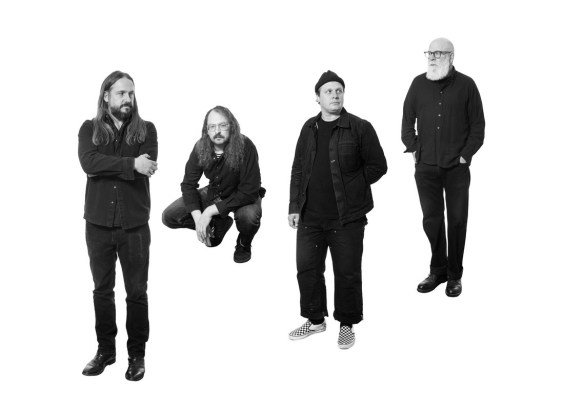
In light of Ferman’s death, the lyrics take on a second layer. The album’s title, evoking the public square, now reads as a space of collective mourning rather than mere criticism. “Call,” a minimalist closing track about waiting for a reply that “eats you away,” becomes a plainspoken document of loss. DOUR have since reinvented themselves as a four-piece, fronted by original member Zak Salehian, but AGORA remains unchanged—a stubborn act of preservation. What began as a record about disconnection is now an artifact of friendship and grief, its critique deepened by the silence it was never supposed to carry.
Join the Club
Like this story? You’ll love our monthly newsletter.
Thank you for subscribing to the newsletter.
Oops. Something went wrong. Please try again later.

ROMBO Editorial Staff
The collective voice behind ROMBO Magazine’s news, reviews, features, and cultural coverage.