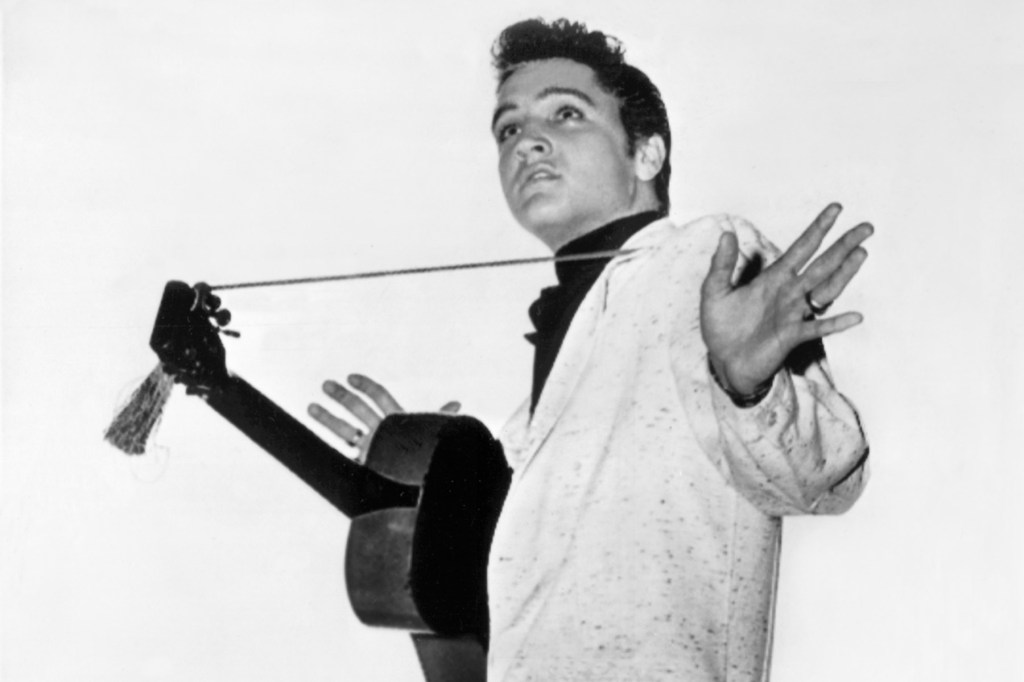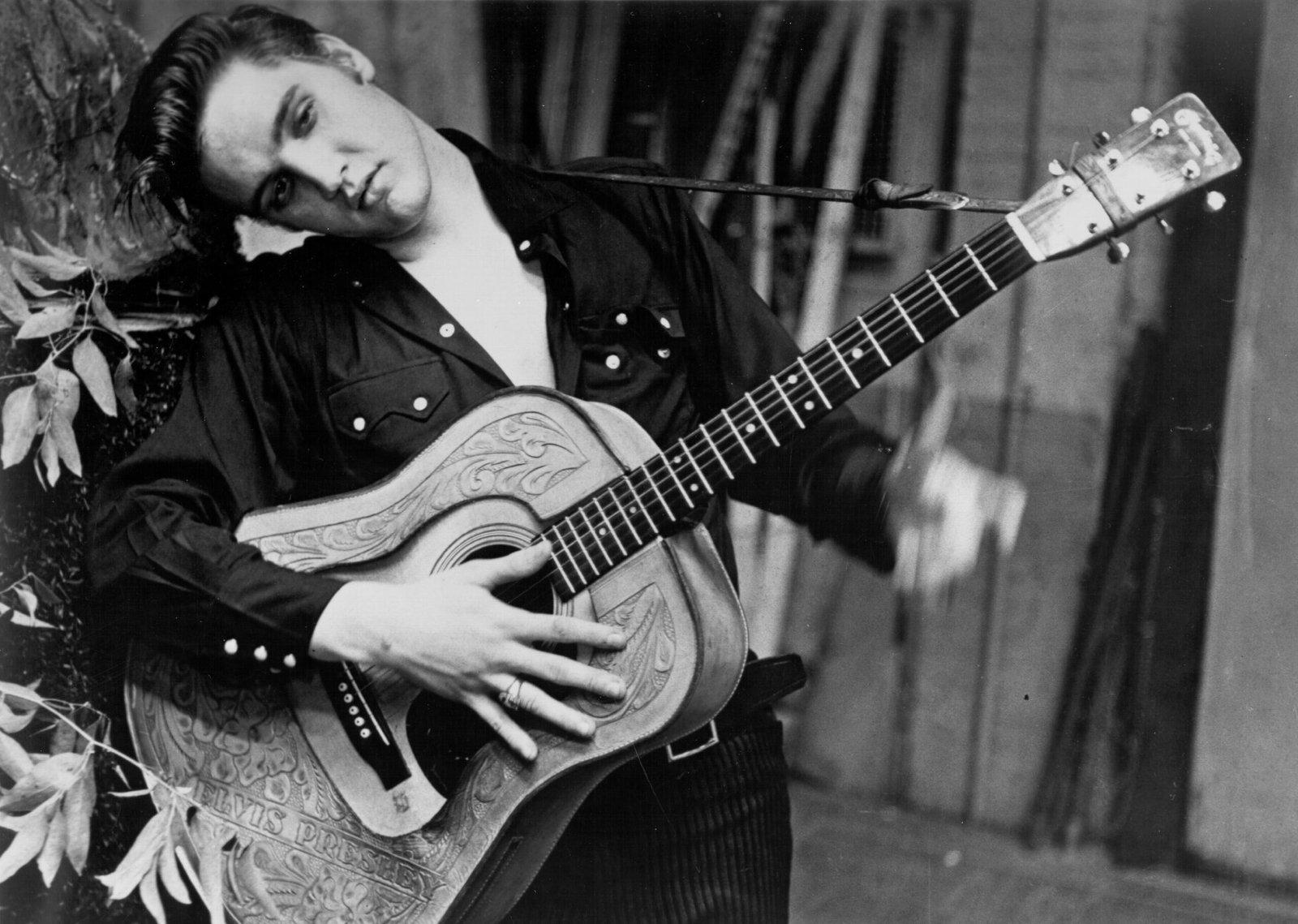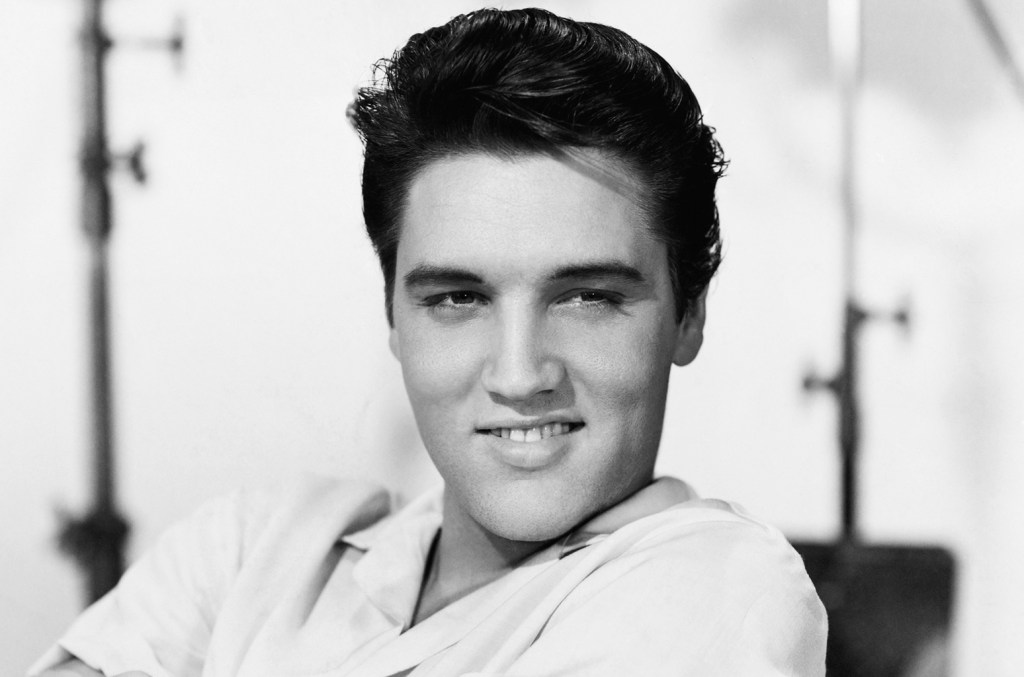
Elvis Presley Enterprises filed suit against Suno in California on November 6, alleging that the AI platform let users generate songs built on a voice that reproduces Presley's. The complaint describes the output in its own words: "All of the humanity, history, despair and triumph that constitutes Elvis' identity was stolen," and says that identity is "stored on servers and harnessed by Suno to make massive amounts of money."
The suit arrives after a crowded stretch of litigation. Publishers sued Anthropic in 2023 over lyrics used to train Claude; the three major labels filed against Suno and Udio in 2024; BMG, Round Hill and Reservoir have brought their own cases, and Universal and Sony Music filed an updated, more aggressive complaint against Suno in September. Presley's rights holder also sued Anthropic for $41 million in October over AI training.
What separates the Elvis case is its center of gravity. Most of the existing fights turn on training inputs and federal copyright. This one leans on publicity rights, the state-level protections covering a person's name, image and likeness, and it invokes Tennessee's ELVIS (Ensuring Likeness Voice and Image Security) Act, enacted in 2024 to address AI. The filing points to video exhibits of Suno's platform producing songs with a voice that sounds like Presley's. "Those … are NOT examples of Elvis Presley singing," it states. "They are synthetic and unlicensed uses of Elvis' voice and likeness." The complaint adds that there are "hundreds to thousands more like it."
The choice of statute matters because no federal equivalent exists. Lawmakers have spent three years failing to pass the NO FAKES Act, which would ban digital replicas of a voice or visual likeness. In its absence, Taylor Swift, the Backstreet Boys and Lionel Richie have tried registering trademarks on their voices, an approach experts describe as facing serious challenges. The Presley filing works a different seam: an existing state law, tested in court, against a specific platform.
Jason Isbell and others sued Suno this summer in a class action over likeness, but that case argues an artist's identity has been encoded into the model and can be prompted by name. The Elvis complaint is narrower and more concrete, built on outputs that can be played back. ROMBO covered the filing when it landed; the exhibits are where the case will be argued, since a video of a platform singing in a dead man's voice is harder to argue around than a theory about training data.