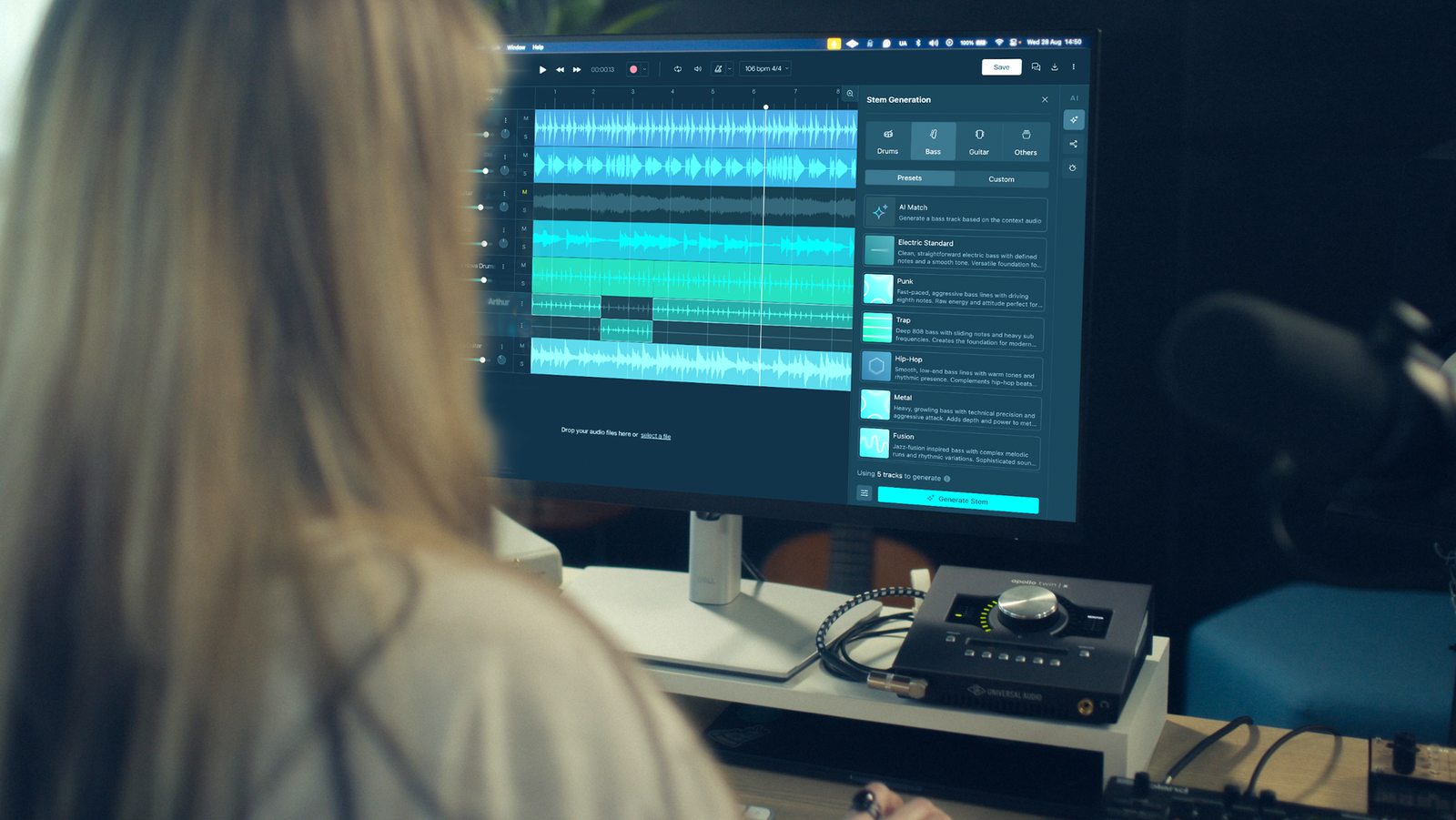
The AI music company once known for training on unlicensed material is now rolling out industry-backed models, download limits, and a watermarking system. The move reflects broader legal and consumer pressure on AI-generated music.
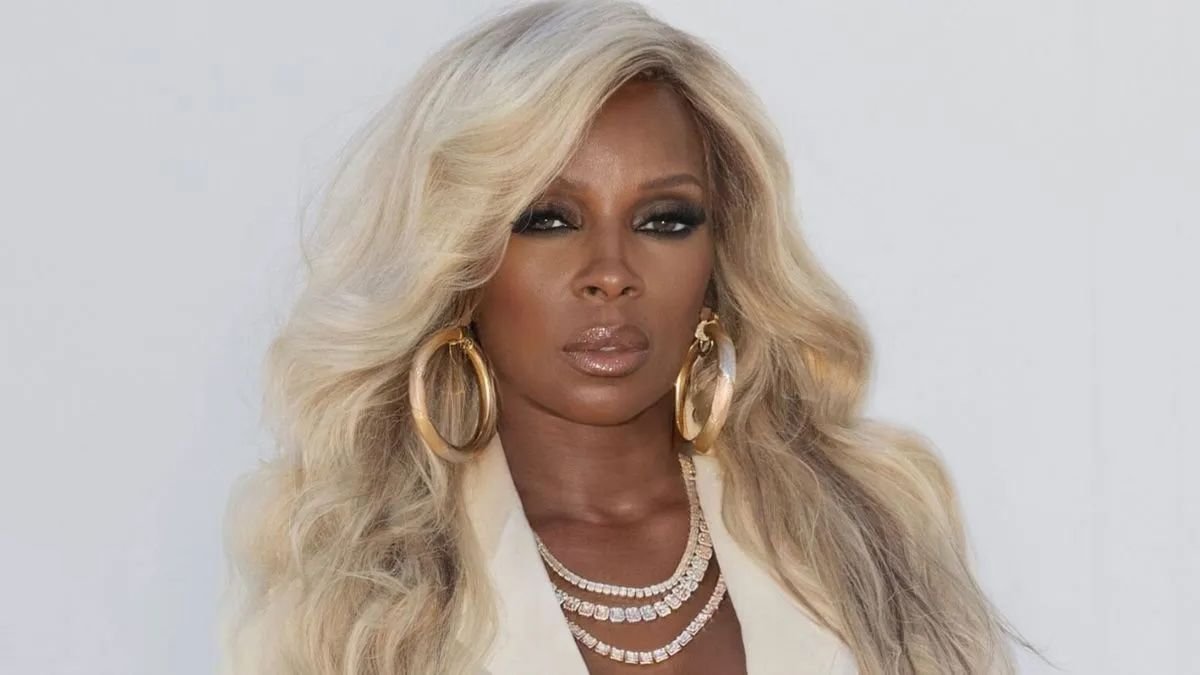
The AI music company says it was misled by someone falsely claiming to represent Blige, raising fresh questions about consent in an already fraught moment for generative music tools.
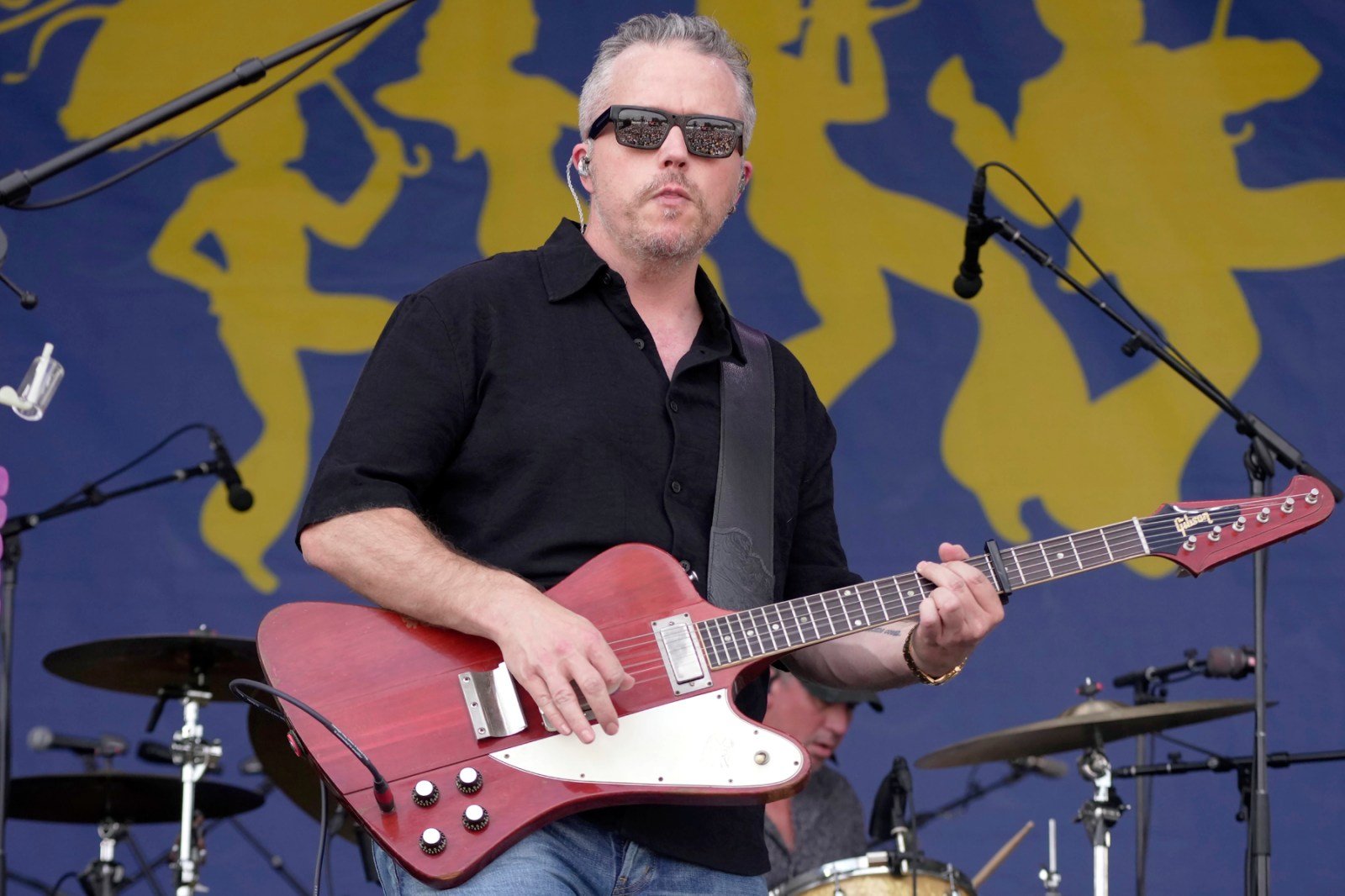
A new lawsuit moves past copyright to argue that Suno misappropriated performers’ identities, with examples including an AI-generated Isbell-style song called “Paper Bell.”
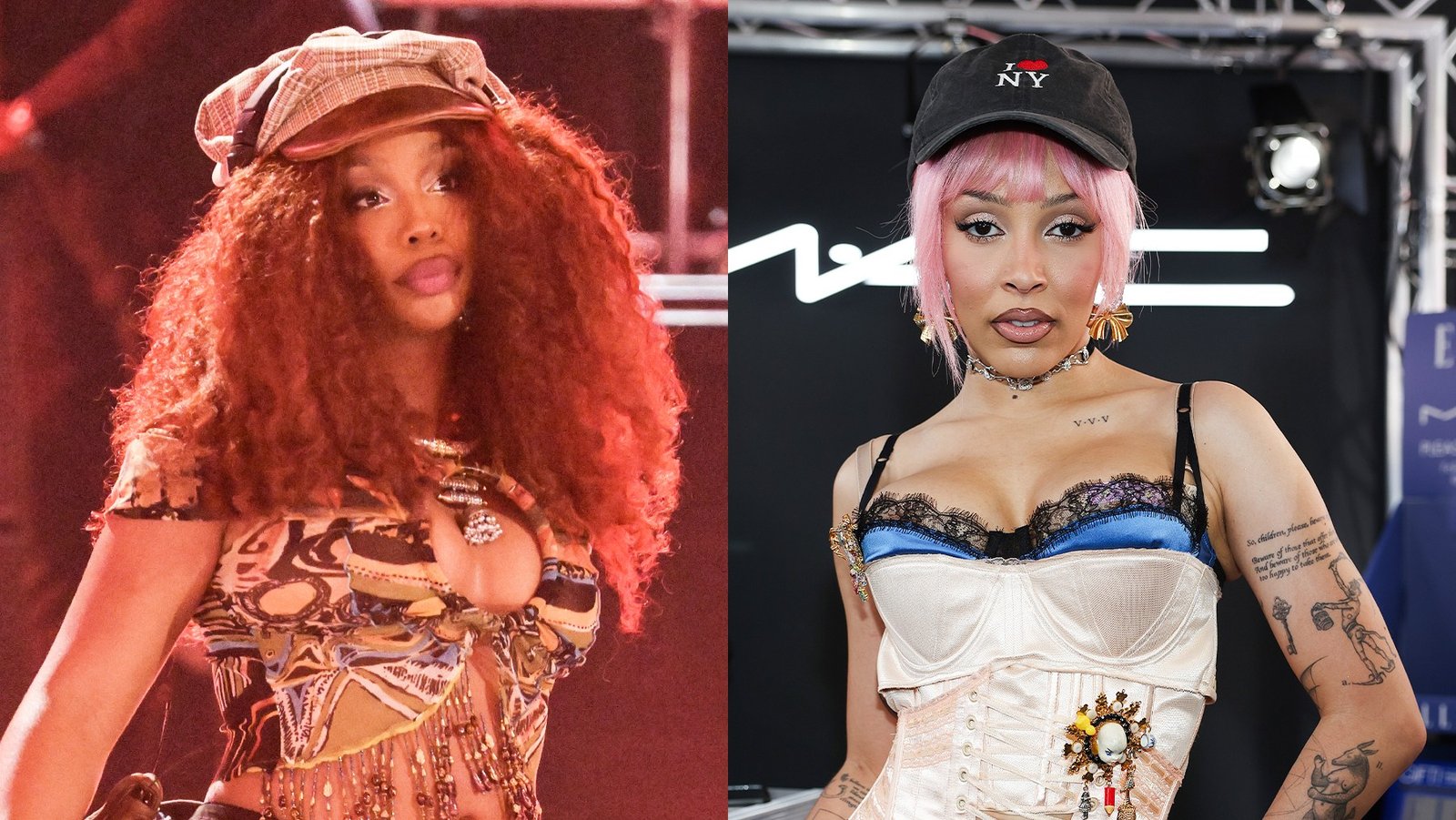
SZA, Kenny Beats, and others responded angrily after a new tool showed their songs were included in datasets used by music-generating AI—while Hudson Mohawke offered a less surprised view.
After discovering 238 of her tracks—including unreleased material—in AI training datasets, SZA warned of systemic theft from Black artists and called out producer Diplo for his ties to music generation platform Suno.
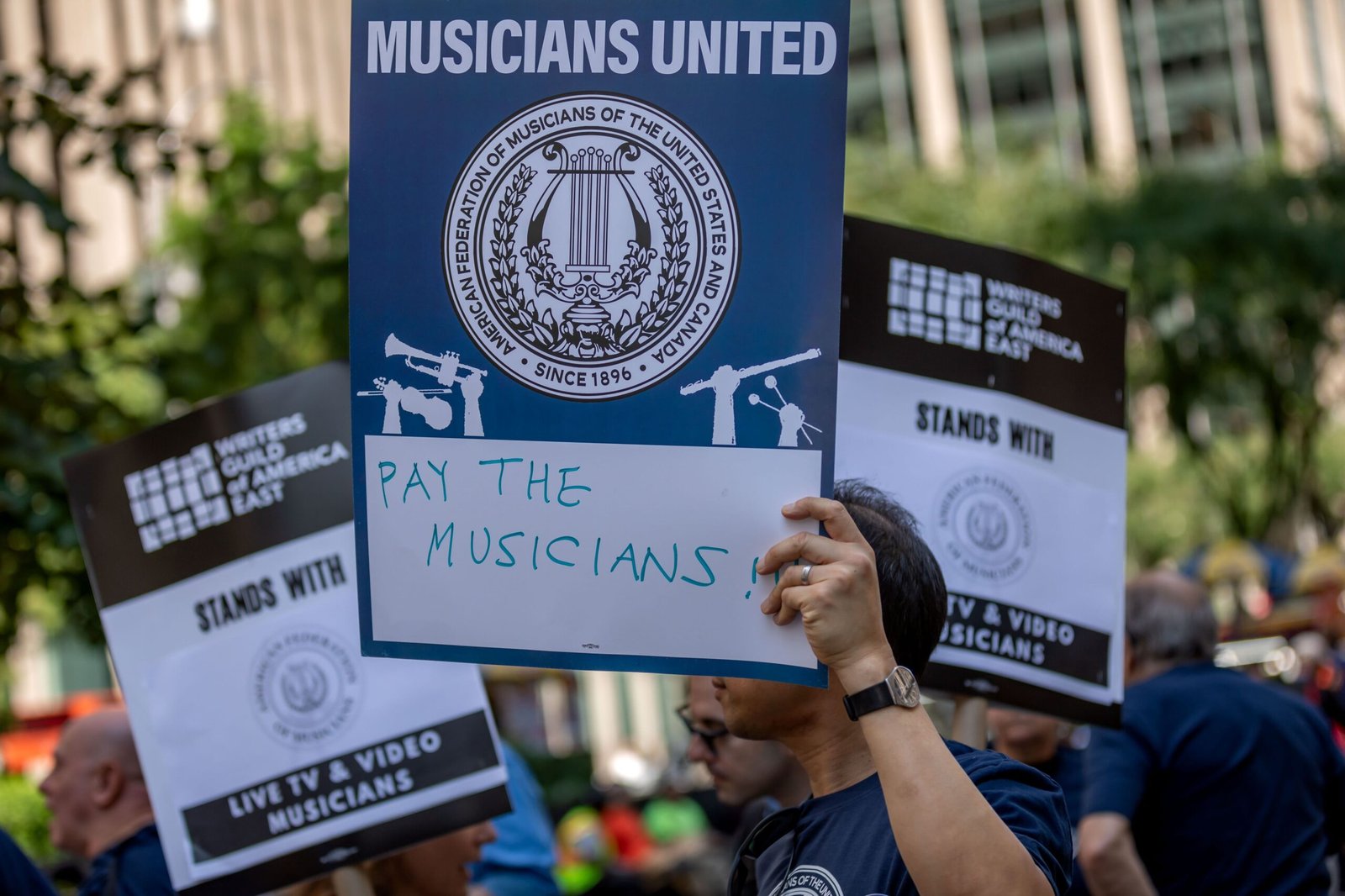
The American Federation of Musicians alleges that the majors licensed recordings to AI firms Suno and Udio without sharing proceeds, breaching a collective bargaining agreement.